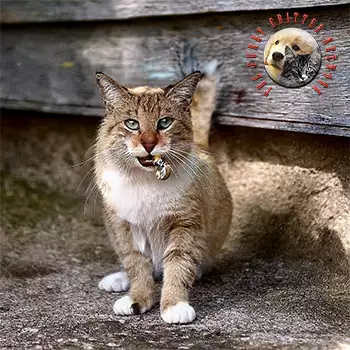

The Ceylon is a small to medium-sized cat with a lean, fine-boned build and a metabolism that runs surprisingly hot for its size. Originating from the tropical island of Sri Lanka, this breed evolved in a warm climate where agility and quick reflexes mattered more than bulk. That evolutionary background translates directly into dietary requirements: Ceylons need a protein-rich diet that fuels their active lifestyle without adding unnecessary weight to their delicate skeletal frame.
Because Ceylons tend to carry very little excess body fat, calorie management requires a different mindset than it does for stockier breeds. Underfeeding is a more common risk than overfeeding, particularly for younger cats and those in multi-cat households where competition at the food bowl can limit intake. Evaluating body condition through rib palpation — the ribs should be easily felt but not visually prominent — is a more reliable indicator of adequate nutrition than weight alone.
The Ceylon's short, fine coat with its characteristic ticked tabby pattern is one of the breed's defining features, and it responds directly to dietary fat quality. Essential fatty acids, particularly omega-3s from marine sources and omega-6s from poultry fat or plant oils, contribute to the silky texture and warm coloring that distinguish a well-nourished Ceylon. A diet deficient in these fats will produce a coat that looks flat and feels coarse within a matter of weeks.
Hydration deserves particular attention with this breed. Ceylons are generally good drinkers compared to some other breeds, but their tropical origins do not exempt them from the low thirst drive that is hardwired into feline physiology. Ensuring adequate water intake through a combination of wet food, water fountains, and multiple water stations throughout the home will support kidney and urinary tract health over the cat's lifetime.