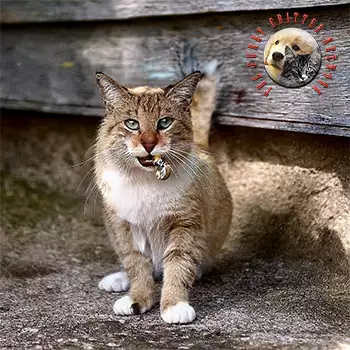

The Ceylon's short, fine coat is one of the breed's lowest-maintenance features, but it still benefits from regular grooming to remove loose hair, distribute natural oils, and keep the ticked tabby pattern looking its best. Unlike breeds with dense undercoats that require daily brushing to prevent matting, the Ceylon's single-layer coat can be maintained with a weekly grooming session lasting just five to ten minutes.
A soft rubber grooming mitt or a fine-toothed deshedding comb is the ideal primary tool for a Ceylon's coat. The rubber mitt conforms to the cat's body contours and collects loose hair through gentle friction, which most Ceylons tolerate willingly and even enjoy. Metal slicker brushes designed for long-haired breeds are unnecessarily aggressive for the Ceylon's fine hair and can scratch the skin beneath the thin coat. A chamois cloth or microfiber towel rubbed lightly over the coat after brushing adds a polishing step that enhances the natural sheen.
Nail care is a more critical aspect of grooming for Ceylons. This breed's active lifestyle means their claws see constant use on scratching posts, climbing surfaces, and toys, but indoor cats still require regular trimming to prevent overgrowth and snagging. A sharp, guillotine-style or scissor-style nail clipper designed for cats is essential. Trimming every two to three weeks, removing only the transparent tip and avoiding the pink quick, keeps claws at a manageable length. Introducing nail trimming early in a kitten's life — even if only touching and handling the paws without clipping — builds the tolerance that makes the process routine rather than combative.
Dental hygiene rounds out the grooming routine. Periodontal disease is among the most common health issues in domestic cats, and prevention through regular brushing is far more effective and less costly than treatment after disease has established. Enzymatic toothpaste formulated for cats paired with a small finger brush allows thorough cleaning of the teeth and gumline. Starting dental care while the Ceylon is young — ideally during kittenhood — normalizes the process and makes lifelong compliance far more achievable.