
Grooming Tools

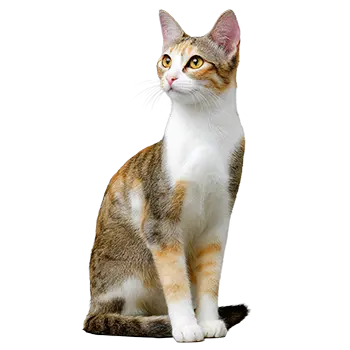
The Aegean's semi-long coat is one of the breed's most distinctive features, and fortunately, it is less maintenance-intensive than the coats of many other semi-longhaired breeds. The Aegean lacks a dense undercoat, which means matting is relatively uncommon compared to breeds like the Persian or Maine Coon. However, regular grooming is still necessary to manage shedding, remove loose fur, distribute natural skin oils, and keep the coat looking its best.

A stainless steel comb with both wide and narrow teeth is the most versatile grooming tool for the Aegean's coat type. Start with the wide-tooth side to work through any tangles gently, then follow with the narrow-tooth side to remove loose hair and smooth the coat. This two-pass approach is more effective and less uncomfortable for the cat than attempting to force a fine-tooth comb through unsorted fur. Grooming sessions two to three times per week are generally sufficient for an adult Aegean, though daily grooming may be needed during seasonal shedding peaks in spring and fall.

A slicker brush serves as a useful secondary tool, particularly for the areas around the neck ruff and hindquarters where fur tends to be longest and most prone to tangling. Choose a slicker with flexible pins on a cushioned pad rather than rigid pins, which can scratch the skin if too much pressure is applied. A deshedding tool can be helpful during heavy shedding periods but should be used sparingly — overuse can thin the coat excessively and irritate the skin.

Nail trimmers are an essential grooming accessory that many owners overlook. Aegeans that do not wear their claws down through outdoor activity or vigorous scratching post use will need their nails trimmed every two to three weeks. Guillotine-style and scissor-style trimmers both work well; the choice comes down to personal comfort. A styptic powder or pencil should be kept nearby in case of an accidental quick cut. Starting nail trimming early in the cat's life, paired with treats and calm handling, establishes a routine that the sociable Aegean typically accepts without significant resistance.

Carriers & Travel Gear

A quality carrier is an essential accessory for every Aegean owner, even if the cat rarely travels. Veterinary visits, emergency evacuations, and occasional trips all require safe, secure containment. The carrier should be large enough for the cat to stand, turn around, and lie down comfortably — for a medium-sized Aegean, this typically means an interior length of at least 19 inches and a height of at least 12 inches.

Hard-sided carriers made from molded plastic offer the best structural protection and are the safest option for car travel. They resist crushing forces, are easy to clean, and most can be secured with a seatbelt threaded through the handle or a stabilizing strap. Top-loading models are particularly practical for cats that resist being pushed headfirst through a front door — the cat can be lowered in from above, which many cats find less confrontational. A carrier with both front and top openings provides maximum flexibility.

Soft-sided carriers are lighter and more convenient for short trips, public transit, or airline cabin travel. They collapse for storage when not in use, which is an advantage in smaller living spaces. However, they provide less crash protection and can be clawed through by a determined cat. For an Aegean, which is not typically a panicky traveler thanks to its adaptable temperament, a well-constructed soft carrier may be adequate for routine veterinary visits. Ensure the zippers are sturdy and have lockable pulls to prevent a clever cat from working them open.

Carrier training should begin well before the first trip. Leave the carrier open in the home with a comfortable blanket inside, and occasionally place treats or a portion of the cat's meal inside it. The goal is to make the carrier a familiar, positive space rather than an object associated exclusively with stressful trips. Aegeans, with their naturally curious disposition, often begin using an open carrier as a resting spot within a few days if it is positioned in a room where the family gathers.

Collars, Harnesses & Leashes

Collars serve primarily as an identification tool for indoor-outdoor cats or as a safety measure in case an indoor cat escapes. Any collar used on an Aegean should be a breakaway design that releases under pressure if the cat becomes snagged on a branch, fence, or furniture. Non-breakaway collars create a strangulation risk that is not justified by any functional benefit. The collar should fit snugly enough that it does not slide over the cat's head but loosely enough that two fingers can be inserted between the collar and the neck.

Identification tags attached to the collar should carry the owner's phone number and the cat's name at minimum. Slide-on tag pouches or embroidered collars eliminate the jingling noise of hanging tags, which bothers some cats and some owners. However, tags are a complement to microchipping, not a replacement — tags can detach or the collar can release, while a microchip provides permanent identification that any veterinary clinic or shelter can scan.

Harness training is worth pursuing with an Aegean, particularly for owners who want to provide supervised outdoor access without the risks of free roaming or the expense of a full catio. The Aegean's sociable, adaptable temperament makes it more receptive to harness training than many cat breeds, though success depends heavily on starting the process gradually. Begin by letting the cat wear the harness indoors for short periods with treats and play as positive reinforcement. Once the cat moves comfortably in the harness, attach the leash indoors before ever venturing outside.

H-style and vest-style harnesses are the two main options. H-style harnesses are lighter and less restrictive but easier for a cat to escape from if not fitted precisely. Vest-style harnesses distribute pressure across a broader area of the chest and are harder to wriggle out of, making them the better choice for most cats, especially during the learning phase. Whichever style you choose, the harness should be snug without compressing the chest or restricting the shoulders. Retractable leashes are not recommended for cats — a standard four- to six-foot leash provides adequate freedom while maintaining control.

Feeding & Water Accessories

The vessels from which a cat eats and drinks may seem like minor details, but they can meaningfully affect feeding behavior, hydration levels, and even whisker comfort. Cats experience whisker fatigue — a sensory overload caused by whiskers repeatedly contacting the sides of a narrow, deep bowl — which can lead to food avoidance, messy eating, or pawing food out of the bowl. Wide, shallow dishes with a diameter of at least five inches eliminate this problem and are the best default choice for most cats, including Aegeans.

Material selection affects both durability and hygiene. Stainless steel bowls are the gold standard: they are non-porous, resist bacterial biofilm formation, do not leach chemicals, and are dishwasher-safe. Ceramic bowls are an acceptable alternative provided they are lead-free and have an intact glaze — chipped or cracked ceramic can harbor bacteria in microscopic crevices. Plastic bowls should generally be avoided because they scratch easily, and those scratches become breeding grounds for bacteria. Some cats also develop feline chin acne from contact with plastic, a condition that is uncomfortable and persistent.

Water fountains are an especially relevant accessory for the Aegean. Many individuals in this breed are attracted to running water, and a fountain that produces a visible stream or bubbling surface encourages higher water intake compared to a static bowl. Stainless steel and ceramic fountains are preferable to plastic models for the same hygiene reasons that apply to food bowls. Fountain filters should be replaced according to the manufacturer's schedule, and the unit should be disassembled and cleaned weekly to prevent slime buildup in the pump and reservoir.

Elevated feeding stations raise food and water to a height that allows the cat to eat and drink without crouching excessively. This can be beneficial for older Aegeans developing joint stiffness or for cats recovering from neck or back discomfort. A feeding height of four to six inches above the floor is appropriate for most medium-sized cats. Some elevated stations include angled bowls that tilt the food toward the cat, reducing the need to lower the head further. Anti-slip bases on elevated stations prevent the unit from sliding across the floor during enthusiastic eating.

Dental & Hygiene Products

Dental health is one of the most commonly overlooked aspects of feline care, yet dental disease affects the majority of cats by the age of three. The Aegean is not predisposed to dental issues beyond the general feline baseline, but proactive dental hygiene can prevent painful conditions like gingivitis, periodontal disease, and tooth resorption that would otherwise require veterinary intervention.

A cat-specific toothbrush and enzymatic toothpaste form the foundation of at-home dental care. Finger brushes — small rubber caps with textured bristles that fit over the owner's fingertip — are often easier to use than handled brushes, particularly with cats that resist having objects placed in their mouths. Enzymatic cat toothpaste does not require rinsing and comes in flavors like poultry or seafood that most cats find palatable. Human toothpaste must never be used because it contains fluoride and foaming agents that are toxic to cats when swallowed.

Dental treats and chews can supplement brushing but should not replace it. Products approved by the Veterinary Oral Health Council have been independently tested and shown to reduce plaque or tartar accumulation. These treats work by mechanically scraping teeth during chewing or by containing ingredients that inhibit bacterial growth. For an Aegean, dental treats also serve as a form of enrichment, providing a different chewing experience from standard food.

Ear cleaning is another routine hygiene task. The Aegean's upright, moderately sized ears do not trap debris as readily as the folded ears of some breeds, but periodic inspection and gentle cleaning are still warranted. A veterinarian-recommended ear cleaning solution applied to a cotton ball is sufficient for removing visible wax and debris from the outer ear canal. Cotton swabs should never be inserted into the ear canal, as they risk pushing debris deeper and potentially damaging the eardrum. If you notice dark, coffee-ground-like debris or a strong odor, consult your veterinarian — these can indicate ear mites or infection.

Seasonal & Climate Accessories

The Aegean evolved in the mild, temperate climate of the Greek islands, and while the breed is adaptable, extreme weather conditions on either end of the spectrum may warrant specific accessories. Understanding how the Aegean's coat and physiology interact with your local climate helps you select the right seasonal gear.

In cold climates, the Aegean's semi-long coat provides some insulation, but it lacks the dense undercoat that truly cold-adapted breeds possess. Heated cat beds, self-warming mats, and window-mounted perches positioned near heat sources can help keep the cat comfortable during winter months. If the cat has access to a catio or spends supervised time outdoors in cooler weather, ensuring a warm, draft-free shelter with an insulated base is essential. Most Aegeans will self-regulate and retreat indoors when temperatures drop below their comfort threshold, provided access is always available.

Hot weather presents different challenges. Cats dissipate heat primarily through their paw pads and respiratory system, as they have very few sweat glands elsewhere on the body. During heat waves, a cooling mat — typically a gel-filled pad that absorbs body heat without requiring refrigeration or electricity — placed in the cat's preferred resting area can provide relief. Ensuring access to multiple water sources, including a running fountain, becomes especially important in warm weather when dehydration risk increases.

Seasonal pest prevention is an accessory category that intersects with veterinary care. Flea and tick preventives become critical in warmer months, particularly for Aegeans with outdoor access. Topical treatments, oral preventives, and flea-prevention collars are the main options, each with its own efficacy profile and convenience trade-offs. Your veterinarian can recommend the best option based on your geographic region and the cat's lifestyle. Regardless of the method chosen, consistency is more important than the specific product — gaps in coverage are when infestations take hold.

Emergency & First Aid Supplies

A cat-specific first aid kit is a practical accessory that every Aegean owner should assemble and keep accessible. Veterinary emergencies rarely announce themselves in advance, and having basic supplies on hand can stabilize a situation while you arrange professional care. The kit does not replace veterinary treatment but serves as a bridge during the critical period between injury or illness onset and professional evaluation.

Essential supplies for a feline first aid kit include sterile gauze pads, self-adhesive bandaging tape, antiseptic wipes formulated for animals, a digital rectal thermometer with lubricant, a pair of blunt-tipped scissors, a pair of tweezers for tick or splinter removal, styptic powder for bleeding nails, and a syringe (without needle) for oral medication or fluid administration. Include a copy of your veterinarian's contact information, the nearest emergency animal hospital's address and phone number, and the ASPCA Animal Poison Control Center number.

A clean towel or pillowcase should be part of the kit as well. In an emergency, a towel can be used to wrap and restrain an injured or panicked cat safely, preventing further injury to both the cat and the handler. The Aegean's generally calm temperament may make handling easier than with some breeds, but pain and fear can override even the most docile cat's normal behavior. Approaching a distressed cat slowly and speaking in a calm, low tone before attempting to handle it reduces the risk of being scratched or bitten.

Emergency preparedness also includes having an evacuation plan for the cat. A carrier that is always accessible and ready — not buried in a closet behind storage boxes — can make the difference between safely evacuating with your cat and leaving it behind during a fire, flood, or other emergency. Attach a tag to the carrier with your contact information and the cat's veterinary records. A small emergency supply bag attached to the carrier containing three days of food, collapsible bowls, a bottle of water, medications if applicable, and a recent photo of the cat covers the essentials for short-term displacement.

Always consult a qualified professional before making any health-related decisions. This content is provided for informational reference only and should not replace professional guidance specific to your animal.