
Nutritional Needs

The Aegean is a naturally developed breed that originated on the Greek Cycladic Islands, where cats survived largely on fish scraps and whatever prey they could catch along the coastline. This evolutionary background has produced a moderately active, medium-sized cat with a metabolism well-adapted to a protein-rich diet. While the Aegean does not have the hyperactive energy of some oriental breeds, it is far from sedentary and requires a diet that supports consistent muscular activity and overall vitality.

Protein should form the foundation of the Aegean's diet, ideally comprising 40% or more of the food on a dry-matter basis. Because this breed developed alongside fishing communities, many Aegeans show a strong preference for fish-based proteins, though they are generally not picky eaters. A varied rotation of protein sources — including poultry, fish, and red meat — helps ensure a broad spectrum of amino acids and reduces the risk of developing food sensitivities from prolonged exposure to a single protein.

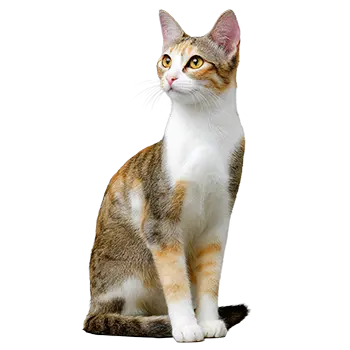
The Aegean's semi-long coat, which is typically bicolor or tricolor with a soft, silky texture, benefits significantly from adequate dietary fat. Omega-3 fatty acids from marine sources support coat sheen and skin elasticity, while omega-6 fatty acids contribute to the density and resilience of the fur. A diet providing 15–20% fat on a dry-matter basis is generally appropriate for an adult Aegean in normal body condition.

Despite being a robust breed with relatively few hereditary health concerns, the Aegean still requires careful attention to hydration. Like all cats, the breed has a low natural thirst drive, and its island ancestors would have derived much of their moisture from freshly caught prey. Incorporating wet food or adding water to dry kibble can help replicate that higher moisture intake and support long-term kidney and urinary tract health.

What to Look For

When choosing a commercial food for an Aegean, start by examining the first five ingredients on the label. A named animal protein — chicken, turkey, salmon, whitefish, or rabbit — should appear first, and ideally a second animal protein or animal meal should follow within the top five. Vague descriptors like "poultry by-products" or "meat and bone meal" indicate lower-quality sourcing and should be treated as a red flag.

Fat sources deserve the same scrutiny. Clearly identified fats such as chicken fat, herring oil, or sunflower oil are preferable to generic listings like "animal fat." The presence of a dedicated omega-3 source, whether from fish oil, algal oil, or flaxseed, is a positive indicator that the formula supports skin and coat health. Given the Aegean's semi-long coat, this is a more meaningful consideration than it might be for a shorthaired breed.

Carbohydrate content in cat food is worth monitoring but should be evaluated in context. Cats are obligate carnivores with limited carbohydrate processing ability, and formulas heavy in corn, wheat, or soy can contribute to weight gain and digestive issues. Moderate amounts of digestible carbohydrate sources like sweet potato, pumpkin, or chickpeas are generally well-tolerated and can provide beneficial fiber. The total carbohydrate load on a dry-matter basis should ideally stay below 25%.

Taurine supplementation is non-negotiable for any cat food, but it is worth verifying explicitly. Taurine is an essential amino acid that cats cannot produce internally, and a deficiency leads to dilated cardiomyopathy and retinal degeneration. Reputable commercial diets include adequate taurine, but owners feeding boutique, raw, or home-prepared diets should confirm levels with their veterinarian.

Recommended Dry Food

Dry kibble offers convenience, shelf stability, and dental benefits that make it a practical component of the Aegean's diet. The best dry formulas for this breed prioritize animal protein density and keep carbohydrate fillers to a minimum. Look for kibble where the guaranteed analysis shows at least 36–40% crude protein and 14–18% crude fat, with identifiable animal ingredients dominating the formula.

Kibble shape and size can influence how well an Aegean eats. This breed tends to eat at a moderate pace, but some individuals may bolt their food, particularly in multi-cat households where competition is a factor. A slightly larger or textured kibble piece encourages chewing and slows consumption, which can reduce the risk of regurgitation and improve nutrient absorption.

The primary limitation of dry food is its low moisture content, typically hovering around 8–10%. For a breed whose ancestors thrived on moisture-rich prey, an exclusively dry diet creates a chronic hydration deficit that can stress the kidneys over time. Many veterinarians recommend using dry food as a dietary base while supplementing with wet food at least once daily. Alternatively, adding a tablespoon or two of warm water to kibble can increase moisture intake without changing the feeding routine significantly.

Proper storage extends the nutritional value of dry food considerably. Once a bag is opened, the fats in the formula begin to oxidize, degrading both taste and nutritional quality. Transfer kibble to an airtight container and store it in a cool, dry location away from direct sunlight. Buying smaller bags more frequently is often a better strategy than purchasing in bulk, especially in single-cat households where a large bag may sit open for weeks.

Wet & Fresh Options

Wet food is arguably the most natural feeding format for the Aegean, given the breed's heritage of consuming moisture-rich prey along the Greek coastline. With moisture content ranging from 75–85%, wet food addresses the hydration gap that dry kibble leaves and is particularly valuable for Aegeans that are reluctant to drink from a water bowl or fountain.

Pate-style wet foods tend to offer the highest protein concentration with the fewest fillers. Chunks-in-gravy and shredded formulas, while appealing to many cats, often rely on guar gum, carrageenan, or starch-based thickeners that add bulk without nutritional benefit. That said, texture preference is highly individual, and an Aegean that enthusiastically eats a shredded formula is getting more nutrition than one that ignores a theoretically superior pate. Offering several textures during initial feeding trials helps identify what your specific cat prefers.

Fresh and refrigerated cat food brands have expanded rapidly in recent years, offering minimally processed options made from whole-food ingredients. These products typically undergo gentle cooking rather than the high-heat processing used in canned food, which can preserve more of the natural nutrient profile. The trade-off is significantly higher cost and a limited shelf life that demands more frequent shopping. For owners willing to invest, fresh food can be an excellent option, particularly for Aegeans with digestive sensitivities.

Homemade diets are an option some owners explore, but they carry substantial risk if not properly formulated. Cats require precise ratios of calcium to phosphorus, adequate taurine, appropriate vitamin A levels, and a host of other micronutrients that are difficult to balance without professional guidance. Working with a board-certified veterinary nutritionist is essential if you choose this route. An unbalanced homemade diet can cause deficiencies severe enough to produce clinical symptoms within a few months.

Treats & Supplements

Treats serve a dual purpose for the Aegean: they reinforce the social bond this affectionate breed craves and provide a useful tool for training and behavioral enrichment. Freeze-dried fish treats — such as pure minnow, shrimp, or salmon — are an excellent match for a breed with a natural affinity for seafood. These single-ingredient treats deliver high protein without added sugars, grains, or artificial preservatives.

Caloric discipline with treats is important even for a breed that tends toward a healthy weight. The standard guideline of limiting treats to no more than 10% of daily caloric intake applies to the Aegean as well. For an adult cat consuming approximately 200–280 calories per day depending on size and activity level, that allows roughly 20–28 calories in treats. Many commercial treats are surprisingly calorie-dense, so reading the label and portioning accordingly prevents gradual weight gain that can be difficult to detect under a semi-long coat.

Supplements are generally unnecessary for Aegeans eating a complete and balanced commercial diet. However, omega-3 fatty acid supplements derived from fish oil can provide additional coat and skin support, especially during seasonal shedding periods when the Aegean's semi-long fur undergoes heavier turnover. A small daily dose of fish oil, formulated specifically for cats, can help maintain coat softness and reduce dry skin.

Probiotic supplements may benefit Aegeans that experience occasional digestive upset or those transitioning between diets. The Aegean is a generally hardy breed, but any cat can experience gastrointestinal disturbance from abrupt food changes, stress, or antibiotic treatment. A quality feline probiotic containing well-researched strains like Enterococcus faecium can help stabilize gut flora. Always discuss supplement additions with your veterinarian before introducing them.

Foods to Avoid

The Aegean's reputation as an unfussy, adaptable eater can create a false sense of security about what is safe to offer. Several common human foods are toxic to cats regardless of breed, and the Aegean is no exception. Onions, garlic, leeks, shallots, and chives — all members of the allium family — cause oxidative damage to feline red blood cells and can lead to hemolytic anemia. This toxicity applies to every preparation: raw, cooked, powdered, and dehydrated.

Chocolate and anything containing caffeine pose serious risks. Theobromine and methylxanthines, the toxic compounds in chocolate and coffee, are metabolized extremely slowly by cats. Ingestion can cause vomiting, diarrhea, rapid heart rate, muscle tremors, and seizures. Dark chocolate and baking chocolate carry the highest concentrations, but all forms should be kept completely out of reach. Grapes and raisins are also dangerous, with documented cases of acute kidney failure in cats, though the precise mechanism remains under investigation.

Given the Aegean's historical association with fishing villages, owners sometimes assume that raw fish is an appropriate food. While small amounts of fresh, sashimi-grade fish are unlikely to cause immediate harm, regular feeding of raw fish introduces risks from parasites, bacterial contamination, and thiaminase — an enzyme present in many raw fish species that destroys thiamine. Chronic thiamine deficiency causes neurological symptoms including loss of coordination, seizures, and potentially death. Cooked fish is a far safer option.

Dairy products are another common pitfall. The image of a cat drinking milk is deeply ingrained in popular culture, but most adult cats, including Aegeans, produce insufficient lactase to digest lactose properly. Offering milk, cream, cheese, or yogurt can result in diarrhea, bloating, and abdominal discomfort. Cat-specific milk products with reduced or eliminated lactose are available for owners who want to offer a dairy-like treat safely.

Feeding Schedule

A structured feeding schedule suits the Aegean well. This breed is social and routine-oriented, and predictable mealtimes become part of the daily rhythm that helps the cat feel secure. Scheduled feeding also allows owners to monitor appetite closely — a sudden loss of interest in food is one of the earliest indicators of illness in cats, and it is far easier to detect when meals arrive at set times.

Two meals per day is the standard recommendation for adult Aegeans, typically spaced 10–12 hours apart. Some owners find that splitting the daily ration into three smaller meals works better, particularly for cats that tend to eat quickly or those that vocalize excessively between meals. The total daily caloric intake should be calibrated to the individual cat's weight, body condition, and activity level rather than following a generic feeding chart on the bag.

Kittens require more frequent feeding to support their rapid growth. Aegean kittens under six months should receive three to four meals per day using a kitten-specific formula with higher protein and calorie density. Between six months and one year, the feeding frequency can be gradually reduced to two meals per day. The transition from kitten food to adult food should happen around 12 months of age, ideally as a gradual switch over seven to ten days to avoid gastrointestinal upset.

Puzzle feeders and foraging toys are particularly well-suited to the Aegean's intelligence and natural curiosity. Turning mealtime into a problem-solving exercise slows eating speed, provides mental stimulation, and mimics the effort the breed's ancestors would have expended to obtain food. Scatter feeding — distributing a portion of kibble across a mat or tray — is another simple enrichment technique that encourages natural foraging behavior. Any food used in enrichment should be counted as part of the daily caloric total to prevent overfeeding.

Always consult a qualified professional before making any health-related decisions. This content is provided for informational reference only and should not replace professional guidance specific to your animal.