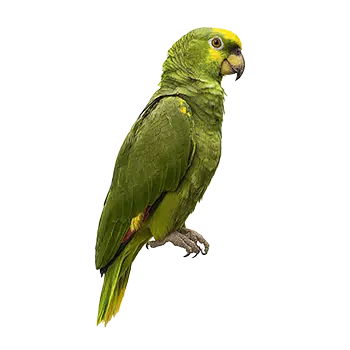

Yellow-Naped Amazons are among the most cognitively advanced parrot species kept in captivity, with problem-solving abilities and social intelligence that place enormous demands on their owners to provide adequate mental stimulation. In the wild, these birds spend the majority of their waking hours engaged in complex foraging behaviors, social interactions within large flocks, territorial surveillance, and environmental exploration. Captivity eliminates nearly all of these natural outlets, creating a cognitive vacuum that the bird's brain is not equipped to handle passively. Without structured enrichment, Yellow-Naped Amazons reliably develop behavioral pathologies including feather destructive behavior, excessive screaming, stereotypic movements, and aggression.
The relationship between enrichment and physical health is equally significant. Amazons that lack stimulation tend to become sedentary, perching in a single location for hours and moving only to eat. This inactivity compounds the species' genetic predisposition toward obesity and fatty liver disease, creating a downward spiral where weight gain reduces mobility, which further reduces activity, which accelerates weight gain. Toys that encourage climbing, swinging, reaching, and manipulating objects inject physical movement into the bird's daily routine without requiring the supervised out-of-cage time that many owners struggle to provide consistently.
Enrichment is not a luxury category that can be addressed after basic needs are met. For a species as intelligent as the Yellow-Naped Amazon, mental stimulation is a basic need, ranking alongside food, water, and veterinary care in its impact on long-term welfare. Behavioral problems rooted in boredom and frustration are the leading cause of rehoming and relinquishment in Amazon parrots, and they are overwhelmingly preventable through thoughtful toy selection and environmental design. Investing in quality enrichment products is an investment in the sustainability of the human-bird relationship.
The cost of enrichment should be evaluated over the bird's entire lifespan rather than on a per-purchase basis. A Yellow-Naped Amazon that lives fifty or sixty years will require a continuous supply of toys and enrichment devices throughout its life. Owners who view this as an ongoing line item in their bird care budget, comparable to food and veterinary expenses, are better positioned to provide consistent enrichment than those who treat toy purchases as occasional splurges.