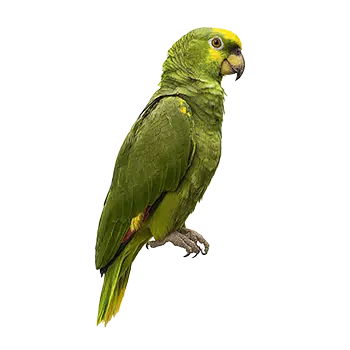

Yellow-Naped Amazons are masters at concealing illness, a survival adaptation inherited from wild ancestors for whom visible weakness invited predation. By the time a sick Amazon shows obvious symptoms, whether lethargy, fluffed feathers, appetite loss, or changes in droppings, the underlying condition has often advanced significantly. Technology that enables objective measurement and continuous observation provides an earlier detection window than human observation alone, giving owners and veterinarians a critical head start in diagnosis and treatment.
The environmental sensitivity of parrots adds another dimension to the monitoring imperative. Temperature fluctuations, humidity drops, air quality degradation, and lighting irregularities all affect Yellow-Naped Amazon health in ways that may not produce visible symptoms for weeks or months. By the time chronic low humidity manifests as respiratory issues or poor feather quality, the bird has been living in suboptimal conditions for an extended period. Continuous environmental monitoring converts invisible conditions into actionable data, allowing corrective adjustments before health consequences develop.
Remote monitoring technology has particular value for Yellow-Naped Amazon owners who work outside the home. These are intensely social birds that vocalize, play, eat, and rest in patterns influenced by household activity and their own circadian rhythms. Cameras and audio monitors allow owners to observe these patterns remotely, identifying changes that might indicate stress, illness, or environmental problems. A bird that normally vocalizes throughout the morning but falls silent for several consecutive days may be signaling a health issue that warrants investigation, but only an owner who monitors the bird's behavior during absence would notice the change.
The investment in monitoring technology should be evaluated against the cost of reactive veterinary care. Avian veterinary visits are expensive, and emergency care for advanced illnesses can reach into thousands of dollars. Early detection enabled by monitoring devices does not eliminate veterinary costs, but it shifts the financial burden from emergency treatment of advanced conditions to routine management of early-stage problems, which is both less expensive and more likely to produce favorable outcomes.