
Space Requirements

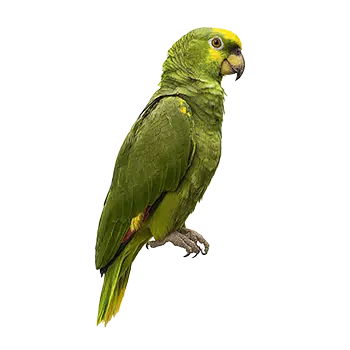
Yellow-Naped Amazons are medium-large parrots that demand generous living space to maintain physical and psychological health. The absolute minimum cage dimensions for a single Yellow-Nape are thirty-six inches wide, twenty-four inches deep, and forty-eight inches tall, but these figures represent a floor rather than a target. A bird housed in a minimum-sized enclosure must receive multiple hours of supervised out-of-cage time daily to compensate for the constrained space. For owners whose schedules make extensive out-of-cage time inconsistent, a larger enclosure measuring forty-eight inches or more in width becomes essential rather than aspirational.

Width is more important than height for Amazon parrots. Unlike species that climb vertically as their primary mode of cage navigation, Amazons move laterally along perches and benefit from the ability to hop or fly short distances from one side of the enclosure to the other. A tall, narrow cage may look impressive but provides less usable space than a wider, moderately tall alternative. Flight cages, which prioritize horizontal dimensions, offer the best compromise between indoor space constraints and the bird's need for movement.

For households with the room, a walk-in aviary or a dedicated bird room represents the gold standard in Amazon housing. These setups allow full wing extension and short flights, which are critical for cardiovascular health and weight management in a species prone to obesity. Indoor aviaries measuring six feet or more in length provide enough room for meaningful flight and can be furnished with varied perching heights, foraging stations, and enrichment areas that a standard cage cannot accommodate.

Multiple-bird households face additional spatial considerations. Yellow-Naped Amazons can be territorial, particularly during hormonal periods, and housing two Amazons in the same cage requires substantially more space than simply doubling the minimum dimensions. Separate cages placed within visual and auditory range of each other often produce a more harmonious living arrangement than shared enclosures, especially for birds that have not been raised together from a young age.

Cage Construction & Materials

The materials used in cage construction directly affect both the safety and longevity of the enclosure. Stainless steel is the premier cage material for large parrots, offering unmatched durability, resistance to the powerful beak of an Amazon, and complete safety from toxic coatings. Stainless steel cages carry a significant price premium over powder-coated alternatives, but their resistance to chipping, rusting, and bacterial harboring makes them a worthwhile long-term investment for a bird that may live sixty years or more.

Powder-coated wrought iron cages represent the most common mid-range option and are adequate for Yellow-Naped Amazons when the coating is applied properly and maintained. The critical concern with powder-coated cages is the quality and integrity of the coating itself. A bird's beak exerts tremendous force on bars during climbing and chewing, and low-quality coatings chip readily, exposing bare metal that rusts and potentially revealing toxic underlying materials. When selecting a powder-coated cage, inspect every bar, joint, and weld for even coverage, and plan on regular inspections throughout the cage's life to catch chips before they become rust spots.

Zinc and lead are the two metals of greatest toxicological concern in bird cages. Older cages and cheaply manufactured imports may use zinc-plated hardware, galvanized wire, or lead-containing solders at bar junctions. Heavy metal poisoning from cage components is a documented and preventable cause of illness and death in companion parrots. Any cage under consideration should be verified as zinc-free and lead-free, either through manufacturer documentation or independent testing. The small investment in a test kit or the slightly higher price of a certified cage is negligible compared to the cost and suffering associated with metal toxicity treatment.

Bar gauge, meaning the thickness of individual cage bars, must be heavy enough to withstand sustained chewing from an Amazon's beak. Bars measuring at least three-sixteenths of an inch in diameter are the minimum for this species. Thinner bars found on cages designed for smaller species will bend, deform, and eventually break under the persistent gnawing that is normal Amazon behavior. Horizontal bar orientation on at least two sides of the cage is preferable, as it facilitates climbing, which is a primary mode of exercise and navigation for caged parrots.

Bar Spacing & Security

Bar spacing is a non-negotiable safety parameter that must be matched to the bird's head size. For Yellow-Naped Amazons, bar spacing between three-quarters of an inch and one inch is appropriate. Spacing wider than one inch creates a risk of the bird inserting its head between bars and becoming trapped, which can cause strangulation, neck injuries, or panic-induced trauma. Spacing narrower than three-quarters of an inch is unnecessarily restrictive and reduces visibility for the bird, though it poses no physical danger.

Door security requires deliberate evaluation because Yellow-Naped Amazons are intelligent, dexterous birds that routinely learn to open simple latches. Guillotine-style doors that slide upward are among the easiest for a clever Amazon to defeat, as the bird can hook its beak under the bottom edge and push. Spring-loaded latches, multiple-step locking mechanisms, or padlocks on critical access points provide meaningful escape prevention. Testing the doors of any cage under consideration by attempting to open them with a single sideways pushing motion gives a rough approximation of how easily the bird might manage the same feat.

Food door design affects both convenience and security. Many cages feature small access doors for food and water dishes that swing outward or slide upward. These doors should lock independently of the main cage door, since an Amazon that learns to manipulate its food door has essentially gained an unmonitored exit. Dishes that lock into brackets from the outside, requiring the owner to release them, are more secure than those that simply rest in openings the bird can reach from inside.

The cage bottom should feature a removable grate suspended above a pull-out tray. This grate serves the dual purpose of keeping the bird away from droppings, discarded food, and soiled substrate while allowing waste to fall through for easy cleaning. The grate must be sturdy enough to support the bird's weight when it descends to the cage floor, which Amazons do regularly during play and foraging. Grate spacing should be tight enough that the bird cannot catch its toes, typically matching or slightly narrower than the bar spacing of the cage walls.

Interior Layout & Perches

The interior arrangement of a Yellow-Naped Amazon's cage has as much impact on daily quality of life as the cage's overall dimensions. Perch placement should create distinct zones within the cage: a high resting perch where the bird sleeps and retreats, mid-level perches near food and water stations for daily activity, and lower perches or platforms that encourage movement between levels. Overcrowding the cage with too many perches restricts movement and defeats the purpose of providing adequate space, so three to five perches in a standard cage is usually the right range.

Perch diameter and material variety are essential for foot health. Amazon parrots are susceptible to pressure sores and bumblefoot when forced to grip a single diameter continuously. Providing perches that range from approximately three-quarters of an inch to one and a half inches in diameter allows the foot to adopt different grip positions throughout the day, distributing pressure across the plantar surface. Natural wood branches with their inherent diameter variation accomplish this automatically and also provide chewing enrichment, but they must be sourced from bird-safe tree species such as manzanita, java wood, dragonwood, or untreated fruit woods.

Rope perches made from natural cotton or sisal fibers offer a softer gripping surface that many Amazons prefer for sleeping. These perches should be inspected frequently for fraying, as loose threads can entangle toes and cause constriction injuries. When a rope perch becomes heavily frayed or the bird begins actively shredding it, replacement is necessary regardless of the perch's apparent remaining structural integrity. Concrete or mineral perches serve a grooming function by gently wearing down nail tips and beak edges during normal perching, but they should be positioned as secondary perches rather than primary resting spots, as their hard surface contributes to foot fatigue with prolonged use.

Food and water stations should be positioned at a comfortable feeding height, typically at mid-cage level, and away from perches directly above them to prevent fecal contamination. Stainless steel or high-grade ceramic dishes are the safest and most hygienic options. Plastic dishes develop scratches that harbor bacteria and are vulnerable to being destroyed by an Amazon's beak. Positioning food and water at opposite ends of the cage encourages the bird to move between them, adding a small but meaningful amount of daily exercise to an otherwise sedentary routine.

Placement & Environment

Where a cage is positioned within the home significantly influences the bird's sense of security, social engagement, and exposure to environmental stressors. Yellow-Naped Amazons are highly social birds that thrive when their cage is located in a room where family activity occurs regularly. Living rooms, family rooms, and home offices are popular choices because they place the bird in the center of household interaction without subjecting it to the hazards of kitchen environments, where cooking fumes, hot surfaces, and toxic nonstick coatings pose lethal risks.

The cage should be placed against a wall or in a corner rather than in the center of a room. Having at least one solid wall behind the cage gives the bird a sense of security, as it eliminates the anxiety of potential threats approaching from all directions. Floor-to-ceiling windows directly behind the cage should be avoided, as they can cause temperature fluctuations and leave the bird feeling exposed to outdoor predators such as hawks, which trigger a hardwired fear response even in captive-bred parrots that have never encountered a raptor.

Direct sunlight plays a complicated role in cage placement. Yellow-Naped Amazons benefit from exposure to natural light, which supports vitamin D synthesis and circadian rhythm regulation, but prolonged direct sun exposure without the option to retreat into shade can cause overheating and heat stress. The ideal placement provides indirect natural light for most of the day with an hour or two of direct sun reaching part of the cage while leaving shaded areas accessible at all times. Full-spectrum UV lighting supplements natural light in rooms with limited window exposure and is discussed in detail in the tech section of this guide.

Airborne toxins represent an invisible but critical placement consideration. Kitchens must be avoided entirely due to the danger of polytetrafluoroethylene fumes from overheated nonstick cookware, which cause rapid respiratory failure in birds. Rooms where scented candles, aerosol sprays, air fresheners, or incense are regularly used expose the bird's highly efficient respiratory system to volatile compounds at concentrations that are harmless to mammals but potentially dangerous to avian species. Smoke from any source, whether from cigarettes, fireplaces, or cooking, degrades air quality to levels that compromise respiratory health over time.

Cleaning & Maintenance

Consistent cage hygiene is foundational to preventing disease in Yellow-Naped Amazons. A practical cleaning schedule divides tasks into daily, weekly, and monthly cycles that keep the environment sanitary without making cage maintenance an overwhelming burden. Daily tasks include changing cage liner or substrate, washing food and water dishes with hot soapy water, wiping down heavily soiled perches, and removing any fresh food remnants before they spoil. These daily tasks take approximately ten to fifteen minutes and prevent the buildup of bacteria that accelerates in the warm, moist conditions created by food waste and droppings.

Weekly cleaning involves a more thorough treatment of cage surfaces. All perches should be removed and scrubbed with a bird-safe disinfectant, then rinsed thoroughly and dried before reinstallation. Cage bars, particularly around food stations and favorite perching spots where droppings accumulate, should be wiped down with a damp cloth and disinfectant. The cage tray should be fully removed, washed, disinfected, and dried. Toys should be inspected for damage and cleaned or replaced as needed. This weekly routine typically requires thirty to sixty minutes depending on cage size and the number of accessories.

Monthly deep cleaning involves disinfecting the entire cage structure. For standard-sized cages that can be transported, moving the cage outdoors and washing it with a hose after applying bird-safe disinfectant is the most efficient approach. For larger or built-in enclosures, section-by-section scrubbing accomplishes the same goal. All hardware, hinges, and latch mechanisms should be inspected during monthly cleaning for signs of rust, metal fatigue, or loosening that could create safety hazards. Replacing worn hardware proactively prevents escape-related emergencies.

The choice of cleaning products matters enormously. Many common household cleaners contain chemicals that are safe for human environments but toxic to birds. Bleach diluted to a ratio of one part bleach to thirty parts water is an effective and affordable disinfectant when followed by thorough rinsing and complete drying. Commercial bird-safe disinfectants formulated to be non-toxic to avian species are available and convenient, though their cost is higher. Steam cleaning is an increasingly popular chemical-free alternative that kills bacteria and loosens dried waste through heat alone. Regardless of the product used, all surfaces must be completely dry and free of chemical residue before the bird is returned to the cage.

Outdoor & Travel Enclosures

Outdoor time in a secure enclosure provides Yellow-Naped Amazons with natural sunlight, fresh air, and environmental stimulation that indoor housing cannot replicate. Purpose-built outdoor aviaries range from small portable enclosures suitable for supervised patio sessions to permanent structures that serve as secondary living spaces during warm months. Any outdoor enclosure must provide protection from predators, including raptors from above, and must incorporate both sunny and shaded areas so the bird can thermoregulate. Wire mesh gauge should be heavy enough to resist raccoons, cats, and other predatory mammals common in residential areas.

Portable outdoor cages designed for supervised use offer a practical alternative to permanent aviary construction. These enclosures are typically smaller than the bird's primary indoor cage and are intended for a few hours of outdoor enrichment rather than extended habitation. Key features to evaluate include sturdy construction that resists tipping in wind, secure latching mechanisms, and a solid roof section that provides shade and rain protection. Lightweight folding designs sacrifice sturdiness for portability, so the owner must match the product to their specific use case and supervision capacity.

Travel carriers serve a different purpose than outdoor enclosures and should be selected with the demands of transport in mind. A quality travel carrier for a Yellow-Naped Amazon should be large enough for the bird to stand at full height and turn around but compact enough to fit securely in a vehicle and be manageable to carry. Hard-sided carriers with stainless steel doors provide the most protection during vehicle travel and airline transport. Ventilation panels should be on multiple sides but positioned to prevent drafts from hitting the bird directly. A low perch inside the carrier gives the bird something to grip during movement, reducing stress and the risk of injury from being jostled on flat flooring.

Seasonal considerations influence outdoor housing decisions. Yellow-Naped Amazons are tropical birds comfortable in temperatures between sixty-five and eighty-five degrees Fahrenheit. Temperatures below sixty degrees or above ninety degrees require the bird to be moved indoors. Sudden temperature drops, even within the comfortable range, can stress a bird acclimated to stable indoor temperatures. Wind chill amplifies cold stress significantly, and outdoor enclosures should include wind barriers on at least two sides. Humidity levels below thirty percent or above seventy percent sustained over long periods can affect respiratory health and feather condition, making climate monitoring an important component of outdoor housing management.

Always consult a qualified professional before making any health-related decisions. This content is provided for informational reference only and should not replace professional guidance specific to your animal.