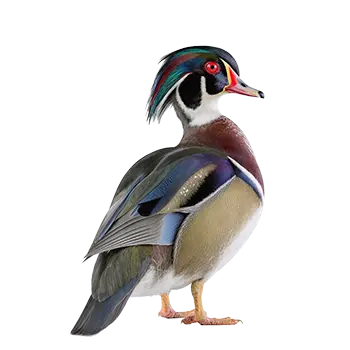

Nutritional Needs

Wood Ducks are omnivorous dabbling ducks whose wild diet shifts dramatically with the seasons, and replicating this nutritional rhythm in captivity is fundamental to their long-term health. In nature, Aix sponsa forages on a combination of aquatic plants, seeds, nuts, insects, and invertebrates, adjusting the proportions based on availability and reproductive demands. A captive diet must deliver adequate protein for feather maintenance and molting, sufficient fat for energy and waterproofing oil production, and a broad spectrum of vitamins and minerals to support immune function and bone density.

Protein requirements for Wood Ducks are moderate compared to highly active raptors but higher than many seed-eating passerines. During the breeding season and the annual molt, protein demands increase substantially, and the diet should reflect this with additional insect-based foods or higher-protein waterfowl pellets. Outside these periods, a protein content of roughly fourteen to sixteen percent of the total diet is generally adequate for maintenance. Overfeeding protein year-round can stress the kidneys and liver, so seasonal adjustment is important.

Calcium and phosphorus balance deserves particular attention, especially for breeding hens. Egg production places enormous calcium demands on the hen's body, and insufficient dietary calcium leads to thin-shelled eggs, egg binding, and skeletal weakness. Even non-breeding Wood Ducks require steady calcium intake for bone maintenance and proper muscle function. The calcium-to-phosphorus ratio should remain close to two-to-one, which most quality waterfowl feeds are formulated to provide.

Niacin is a nutrient of special concern for all ducks and geese. Unlike chickens, waterfowl have a limited ability to synthesize niacin from tryptophan, making them dependent on dietary sources. Niacin deficiency causes leg deformities in ducklings and joint problems in adults. Commercial waterfowl feeds are typically fortified with niacin, but keepers who mix their own rations or supplement heavily with unfortified grains must ensure this nutrient is not overlooked.

What to Look For

Selecting the right commercial feed for Wood Ducks begins with understanding waterfowl-specific formulations. Standard chicken layer or broiler feeds are not appropriate for ducks because they lack adequate niacin and often contain medications such as amprolium that are unnecessary and potentially harmful to waterfowl. Purpose-made waterfowl maintenance pellets or all-flock feeds designed to be safe for ducks should form the dietary foundation. The ingredient list should lead with whole grains like wheat, corn, or oats, followed by protein sources such as soybean meal or fish meal.

Pellet size and texture influence whether Wood Ducks will readily consume a commercial feed. These are relatively small-billed ducks compared to domestic breeds like Pekins or Muscovies, so pellets designed for large waterfowl may be difficult for them to handle. Crumbles or small pellets marketed for bantam poultry or smaller duck breeds are usually a better physical fit. Some keepers find that moistening pellets slightly encourages acceptance, particularly when transitioning a bird from a wild-foraged or breeder-supplied diet.

Ingredient quality is worth scrutinizing beyond the first few items on the label. Feeds that rely heavily on by-product meals, artificial colors, or excessive fillers like rice hulls deliver less usable nutrition per gram than those built on whole ingredients. Preservatives should be limited to natural options like mixed tocopherols rather than synthetic compounds like ethoxyquin. While price is not always a reliable indicator of quality, the cheapest waterfowl feeds on the market tend to cut corners on ingredient sourcing and vitamin fortification.

For keepers who prefer organic or non-GMO feeds, several manufacturers now produce waterfowl-appropriate formulations that meet these standards. These products typically cost more but appeal to keepers who prioritize ingredient transparency. Regardless of the specific brand chosen, the feed should carry a guaranteed analysis showing crude protein in the fourteen to eighteen percent range, crude fat between three and five percent, and crude fiber under six percent for a maintenance ration.

Recommended Feed Types

Waterfowl maintenance pellets are the backbone of a captive Wood Duck diet for adult birds outside the breeding season. These feeds are formulated to deliver balanced nutrition at a caloric density appropriate for moderately active waterfowl, with niacin levels adequate for duck metabolism and calcium-phosphorus ratios that support skeletal health without the elevated calcium of a layer feed. Maintenance pellets should be available throughout the day, either in a gravity feeder or offered in measured portions to prevent waste and contamination.

During the breeding season, switching hens to a waterfowl breeder or layer formulation provides the additional calcium, protein, and energy they need for egg production. These feeds typically contain eighteen to twenty percent protein and elevated calcium in the range of two and a half to three and a half percent. Drakes can remain on maintenance feed during this period, though many keepers find it simpler to feed the entire flock the breeder ration for the duration of the laying season and switch back to maintenance afterward.

Waterfowl starter feeds are essential for ducklings and should never be substituted with chick starter, which lacks sufficient niacin and may contain coccidiostats harmful to young ducks. Starter feeds for ducklings typically run eighteen to twenty percent protein with niacin fortification well above chicken feed levels. The crumble form is standard for starters, allowing tiny bills to pick up and swallow the feed without difficulty. After the first three to four weeks, ducklings can transition to a grower formulation with slightly reduced protein.

Game bird feeds designed for wild or ornamental waterfowl are another viable option for Wood Ducks, which are themselves classified as wild or ornamental rather than domestic poultry. These feeds often have protein and nutrient profiles well-suited to perching ducks and may include ingredients like fish meal and dried insects that mimic the natural diet more closely than standard poultry feeds. However, availability varies by region, and some game bird feeds are formulated for upland species like pheasants rather than waterfowl, so label review is essential.

Fresh Foods and Natural Diet Supplementation

Wood Ducks in the wild consume a wide variety of plant and animal matter, and replicating even a portion of this diversity in captivity significantly improves nutritional completeness and behavioral wellbeing. Duckweed, one of the most important natural foods for many dabbling duck species, can be cultivated in a separate container or shallow pond and offered regularly. It is high in protein relative to other aquatic plants, easy to digest, and enthusiastically consumed by Wood Ducks. Other floating plants like water lettuce and azolla also make excellent dietary supplements.

Acorns hold a special place in the Wood Duck diet. In the wild, acorns from various oak species are a primary fall and winter food source, and captive Wood Ducks typically relish them. White oak acorns are preferred because they contain lower tannin levels than red oak varieties, though Wood Ducks in the wild consume both. Acorns can be collected in autumn and stored frozen for year-round availability. They should be offered whole or lightly cracked, allowing the ducks to manipulate and extract the nutmeat as they would in nature.

Insect protein is a natural and valuable dietary component, particularly during the breeding season and for growing ducklings. Dried mealworms, black soldier fly larvae, and small crickets can be scattered on water or offered in shallow dishes to stimulate foraging behavior. Live insects are nutritionally superior to dried and provide far greater enrichment value, though dried options are more convenient and shelf-stable. Some keepers maintain small mealworm or black soldier fly colonies specifically to supply their waterfowl with a steady source of live invertebrates.

Chopped leafy greens such as romaine lettuce, kale, and Swiss chard can be floated on water to encourage natural dabbling behavior while delivering vitamins and fiber. Finely diced vegetables like peas, corn kernels, and shredded carrots are also well-accepted. Fruits should be offered sparingly due to sugar content, but small amounts of chopped grapes, blueberries, and watermelon provide hydration and variety. All fresh foods should be removed within a few hours to prevent spoilage, especially in warm weather.

Treats and Supplements

Treats for Wood Ducks should serve both nutritional and enrichment purposes. Whole or cracked grains like wheat berries, barley, and milo can be scattered on land or in shallow water to stimulate natural foraging and scratching behavior. These grains are relatively low in fat and provide sustained energy, making them suitable as regular supplemental treats without the obesity risk associated with high-fat options like sunflower seeds. Offering grains in different locations each day encourages exploration and physical activity.

Calcium supplementation is critical for breeding hens and beneficial for all Wood Ducks as a maintenance supplement. Crushed oyster shell is the most commonly used calcium source for captive waterfowl and should be available free-choice in a separate container so birds can self-regulate their intake. Hens approaching and during the laying season will dramatically increase their oyster shell consumption as their bodies mobilize calcium for eggshell formation. Cuttlebone, while more commonly associated with caged birds, can also be placed near the water's edge for ducks to nibble.

Brewer's yeast is a widely recommended supplement for ducks because it is one of the richest natural sources of niacin. A light dusting of brewer's yeast over moistened feed or mixed into grain treats provides a niacin boost that helps prevent the joint and leg problems associated with deficiency. This is particularly important for growing ducklings, whose rapidly developing skeletal systems are highly vulnerable to niacin shortfalls, but adult Wood Ducks also benefit from consistent niacin availability.

Grit should be provided to all Wood Ducks that consume whole grains, seeds, or acorns. Waterfowl lack teeth and rely on their muscular gizzard to grind hard foods, and they require small stones or commercial poultry grit to accomplish this. Insoluble granite grit is the standard choice and should be available free-choice alongside the oyster shell. Some keepers use a combined grit-and-shell product, but offering them separately allows the birds to regulate their intake of each independently.

Foods to Avoid

Bread is perhaps the most commonly offered and most harmful food given to ducks by well-meaning people. It provides virtually no nutritional value, fills the bird's crop with empty calories that displace nutritious foods, and can cause a condition known as angel wing in growing ducklings, where the carbohydrate-heavy diet causes the flight feathers to develop abnormally and twist outward permanently. Crackers, chips, popcorn, and other processed grain snacks carry the same risks and should never be fed.

Avocado is toxic to all birds, including waterfowl. The persin compound found throughout the fruit, skin, pit, and leaves causes cardiac failure and respiratory distress. Even small amounts can be lethal, and there is no antidote. Any food preparation area where avocados are handled should be thoroughly cleaned before preparing duck food, and avocado trees should be fenced off from any area accessible to free-ranging waterfowl.

Chocolate, coffee, and other caffeine-containing foods are dangerous to ducks. Theobromine and caffeine cause cardiac arrhythmia, hyperactivity, and potentially fatal seizures in birds. Onions and garlic contain sulfur compounds that damage red blood cells and can lead to hemolytic anemia over time. These are less commonly offered to ducks than to companion parrots, but keepers who share kitchen scraps should ensure that no allium species are included in the offerings.

Medicated poultry feeds, particularly those containing amprolium or other coccidiostats, should never be fed to Wood Ducks. These medications are formulated for chickens and can interfere with thiamine absorption in waterfowl, potentially causing neurological symptoms. Similarly, feeds containing antibiotics as growth promoters are inappropriate for non-production waterfowl. Any commercial feed offered to Wood Ducks should be verified as unmedicated before use, and this is especially critical for ducklings, whose smaller body mass makes them more vulnerable to adverse drug effects.

Feeding Schedule and Management

Wood Ducks are naturally crepuscular feeders, meaning they are most active in foraging during the early morning and late evening hours. A captive feeding schedule that aligns with this natural rhythm produces the best feed intake and the least waste. Offering the primary meal of pellets and fresh foods shortly after dawn and a secondary feeding in the late afternoon mirrors wild behavior and gives the birds something to anticipate, which reduces stress-related behaviors like feather picking or excessive pacing.

Portion control requires some observation and adjustment because individual intake varies with the season, temperature, and reproductive status. A general starting point for an adult Wood Duck is approximately one-quarter cup of waterfowl pellets per bird per day, supplemented with fresh foods and treats. During cold weather, caloric needs increase and portions should be raised accordingly. During the molt, protein requirements climb and additional insect-based foods or a temporary switch to a higher-protein feed may be warranted.

Feed presentation matters for both hygiene and behavioral health. Waterfowl naturally feed on or near water, and Wood Ducks in particular are accustomed to dabbling and diving for food in shallow water. Placing pellets in shallow water dishes or scattering them on the surface of a pond encourages natural feeding behavior and reduces the amount of feed lost to wind, rodents, or wild birds. Dry feeders should be positioned under cover to protect the feed from rain, which causes rapid spoilage and mold growth.

Feed storage practices directly affect nutritional quality and safety. Waterfowl feeds should be stored in airtight containers in a cool, dry location and used within the timeframe recommended by the manufacturer, typically within three to four months of the mill date. Feeds that develop a musty odor, visible mold, or insect infestations must be discarded immediately. Mycotoxins produced by mold growth in improperly stored grain-based feeds are a serious health hazard for waterfowl and can cause liver damage, immune suppression, and death even at concentrations too low to produce visible mold.

Always consult a qualified professional before making any health-related decisions. This content is provided for informational reference only and should not replace professional guidance specific to your animal.