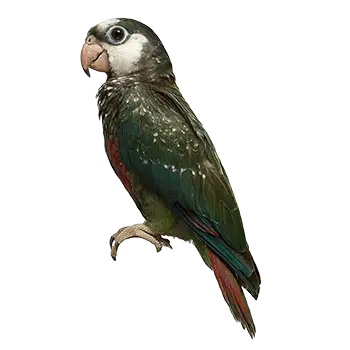

Pet cameras have evolved from simple webcam setups into sophisticated monitoring systems that allow White-Capped Pionus owners to observe their bird in real time from anywhere with a network connection. For a species that can develop stress-related behaviors like feather plucking or excessive vocalization when left alone, remote visual access provides both peace of mind and actionable information about the bird's behavior during periods of owner absence. Knowing whether the bird is active and exploring, resting calmly, or sitting motionless on a single perch for hours helps the owner assess whether the current enrichment and socialization routine is adequate.
Camera selection for a bird room should prioritize wide-angle lenses, high-definition resolution, and reliable night vision. A wide field of view captures the entire cage and surrounding play area without requiring multiple cameras or frequent repositioning. High resolution allows the owner to observe subtle behavioral details such as feather condition, food consumption, and body language from a remote feed. Infrared night vision enables monitoring during the bird's dark sleep period, which is valuable for detecting night fright episodes, abnormal nighttime activity, or disturbances from household members or other pets.
Two-way audio is a feature offered by many pet cameras that allows the owner to hear the bird and speak through the camera's speaker. This capability has both benefits and risks for parrot owners. Hearing the bird's vocalizations provides data about noise levels, vocalization patterns, and potential distress calls. However, speaking to the bird through a disembodied speaker can confuse or agitate some parrots, particularly if the bird hears the familiar voice but cannot locate the source. Testing two-way audio during supervised periods helps determine whether a particular bird responds positively, negatively, or neutrally before relying on it during extended absences.
Camera placement should balance comprehensive coverage with security from the bird's perspective. Mounting the camera high on a wall or shelf overlooking the cage from a slight angle provides the best view of cage activity without intruding into the bird's personal space. Cameras placed too close to the cage may be perceived as a threatening presence, especially if they have visible LED indicators or produce audible clicks during mode changes. All cables and power cords must be routed completely out of the bird's reach, as electrical cord chewing is both destructive and potentially fatal.