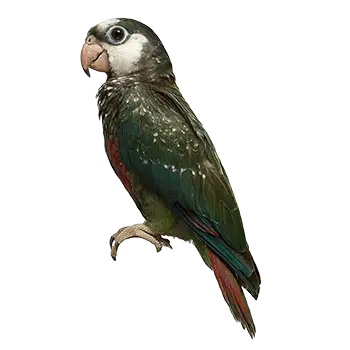

Nutritional Needs

The White-Capped Pionus is a stocky, medium-sized parrot that thrives on a diet carefully balanced between proteins, fats, carbohydrates, vitamins, and minerals. In the wild, Pionus senilis forages across highland forests in Central America, consuming a rotating menu of fruits, seeds, blossoms, and plant matter that shifts with seasonal availability. Captive diets must approximate this nutritional breadth without the excessive fat content that comes from unlimited access to seeds and nuts. A bird kept on a monotonous or unbalanced diet will show the consequences in its feather quality, energy level, and long-term organ health.

Like all Pionus species, the White-Capped Pionus has a metabolic tendency toward weight gain when overfed fatty foods. Their relatively calm temperament means they expend less energy through activity than more hyperactive species like conures or caiques, so calorie-dense items must be carefully portioned. A diet that would keep a highly active parrot lean can gradually push a sedentary Pionus into obesity, with cascading effects on liver function, cardiovascular health, and joint integrity.

Vitamin A is a critical nutrient for this species. White-Capped Pionus parrots that subsist primarily on seed-based diets are especially vulnerable to vitamin A deficiency, which presents as nasal discharge, swollen eyes, dull feathering, and increased susceptibility to respiratory infections. Beta-carotene-rich vegetables such as sweet potatoes, carrots, red bell peppers, and dark leafy greens should appear in the diet regularly to maintain adequate levels of this essential vitamin.

Calcium and phosphorus must be provided in a balanced ratio to support bone density, beak condition, and neurological function. While Pionus parrots are not as acutely prone to hypocalcemia as African Greys, inadequate calcium intake over years can produce subtle but serious skeletal weakening and reproductive complications. A diet anchored by high-quality pellets and supplemented with calcium-rich greens typically meets these requirements without the need for separate mineral supplementation.

What to Look For

Selecting food products for a White-Capped Pionus begins with evaluating ingredient lists rather than marketing claims. A quality pellet should lead with whole grains, legumes, or vegetables rather than corn meal, soy isolate, or sugar. Artificial colors serve no nutritional purpose and can encourage selective eating when a bird picks out only the pieces that appeal visually, leaving behind the components that contain essential nutrients it needs. Pellets that rely on natural colors derived from vegetables and fruits are nutritionally equivalent and avoid this behavioral pitfall.

Texture and pellet size influence acceptance more than many owners expect. White-Capped Pionus parrots have moderately strong beaks relative to their body size and generally handle pellets formulated for small to medium parrots without difficulty. Pellets that are too small may be ignored as uninteresting, while those designed for large macaws can be cumbersome. Testing two or three pellet sizes during the initial transition period helps identify the form factor that a particular bird finds most satisfying to manipulate and consume.

For fresh food purchases, prioritize organic produce when the budget allows, particularly for items on the high-pesticide-residue lists such as strawberries, spinach, and bell peppers. Washing produce thoroughly in cool water removes surface residues but does not eliminate systemic pesticides absorbed into the plant tissue. Birds are far smaller than humans and proportionally more sensitive to chemical exposure, so reducing pesticide intake through careful sourcing is a meaningful health precaution.

Seed mixes, if used at all, should be purchased from manufacturers that specialize in avian nutrition rather than generic pet-store blends. Look for mixes that include a diversity of small seeds such as millet, canary grass seed, and hemp seed rather than relying heavily on sunflower and safflower, which are disproportionately high in fat. Mixes that incorporate dried herbs, dried vegetables, or bee pollen offer additional micronutrient variety. Store seeds in airtight containers in cool, dry conditions to prevent mold growth and rancidity.

Recommended Pellet Types

Formulated pellets should constitute approximately fifty to sixty percent of a White-Capped Pionus's daily food intake by volume. The pellet market offers cold-pressed, extruded, and baked varieties, each with trade-offs in nutrient retention, palatability, and shelf stability. Cold-pressed pellets undergo minimal heat processing and retain more of their original vitamin content, but they tend to have a shorter shelf life and may crumble more readily. Extruded pellets are processed under controlled heat and pressure, producing a uniform texture that many birds accept readily and that stores well.

Organic pellets made from whole-food ingredients are an excellent choice for Pionus parrots. These formulations avoid synthetic preservatives and use ingredients grown without pesticides, which reduces the cumulative chemical burden on a small bird's system over decades of feeding. The higher price point of organic pellets is offset by the volume a medium-sized Pionus consumes daily, which is modest compared to larger parrot species, making the cost difference manageable for most households.

Some manufacturers produce pellets formulated specifically for Pionus species or for South and Central American parrots as a group. These formulations typically adjust fat content downward compared to pellets designed for African species and may include tropical fruit components that align with the natural diet of wild Pionus populations. While a high-quality general parrot pellet is perfectly adequate, species-targeted formulations offer a refinement worth considering if available.

Transitioning a seed-dependent White-Capped Pionus to pellets requires patience and a gradual approach. Mixing pellets into the existing seed mix at increasing ratios over several weeks allows the bird to become familiar with the taste and texture without the stress of an abrupt dietary change. Some owners find success by moistening pellets slightly with warm water or unsweetened fruit juice during the transition phase, making them softer and more aromatic. Monitoring weight during the transition is important to ensure the bird is eating enough of the new food to maintain condition.

Fresh Foods and Cooking Mixes

Fresh foods should account for roughly thirty to forty percent of a White-Capped Pionus's daily diet, providing vitamins, minerals, phytochemicals, and textural enrichment that pellets alone cannot deliver. A diverse rotation of vegetables forms the core of the fresh food offering. Dark leafy greens such as kale, Swiss chard, collard greens, and dandelion greens supply calcium, iron, and vitamin K. Orange and red vegetables including carrots, sweet potatoes, butternut squash, and bell peppers deliver beta-carotene that the body converts to vitamin A.

Cooked grains and legumes add protein, fiber, and complex carbohydrates to the fresh food mix. Quinoa, brown rice, barley, and cooked lentils are all well-accepted by most Pionus parrots and can be prepared in bulk, portioned, and frozen for convenience. Thawing a single portion each morning and mixing it with freshly chopped vegetables creates a nutrient-dense meal that takes only minutes to assemble. Avoid adding salt, oil, or seasonings to any cooked foods prepared for the bird.

Commercial cooking mixes formulated for parrots offer a convenient alternative to preparing grains and legumes from scratch. These dry mixes typically contain a blend of dried beans, lentils, rice, pasta, and dehydrated vegetables that can be cooked in a single pot. The best products use whole-food ingredients without added sodium, sugar, or artificial preservatives. Once cooked, these mixes can be refrigerated for up to three days or frozen in single-serving portions for longer storage. Adding freshly chopped greens and vegetables to the cooked mix before serving boosts its nutritional profile and encourages the bird to explore different textures.

Sprouted seeds and grains represent one of the most nutritionally dense fresh food options available. Sprouting converts the fat stored in a dry seed into vitamins, enzymes, and plant proteins, dramatically improving the nutritional profile while reducing caloric density. White-Capped Pionus parrots generally accept sprouts readily, especially mung bean, lentil, and sunflower sprouts. Hygiene during the sprouting process is critical, as the warm, moist conditions that promote germination also encourage bacterial growth. Rinse sprouts thoroughly at least twice daily and discard any batch that develops an off smell or slimy texture.

Treats and Supplements

Treats play a valuable role in training, bonding, and behavioral enrichment for White-Capped Pionus parrots. Nuts are among the most motivating treats for this species, with almonds, walnuts, pine nuts, and shelled pistachios all generating enthusiastic responses from most birds. Because of their high fat content, nuts should be offered in small quantities and factored into the daily caloric budget rather than dispensed freely. Breaking larger nuts into fragments extends their usefulness as training rewards and prevents overconsumption in a single session.

Dried fruit pieces, small bits of whole-grain toast, and cooked pasta shapes can serve as lower-fat treat alternatives for birds that need to manage their weight. Commercially produced bird treat sticks and baked treat biscuits vary widely in quality. The best options use whole grains, seeds, and dried fruits bound together without added sugar or artificial flavors. Products that list sugar, corn syrup, or honey as primary binding agents should be avoided, as they contribute empty calories and can encourage sweet-food fixation.

Calcium supplementation for White-Capped Pionus parrots is generally unnecessary when the diet includes quality pellets and calcium-rich vegetables, but certain circumstances warrant additional support. Breeding hens, birds recovering from illness, and individuals with documented low calcium levels may benefit from liquid calcium supplements added to soft food or water. Cuttlebone mounted inside the cage provides a self-regulating calcium source that also serves as a beak-conditioning tool, allowing the bird to scrape and chew at will.

Vitamin and mineral supplements should be approached conservatively. Over-supplementation poses real risks, particularly with fat-soluble vitamins like A, D, E, and K, which accumulate in body tissues and can reach toxic concentrations. A White-Capped Pionus eating a varied diet of pellets, fresh vegetables, and occasional fruits almost certainly receives adequate micronutrients without supplementation. If a veterinarian identifies a specific deficiency through blood work, targeted supplementation under professional guidance is preferable to broad-spectrum vitamin powders applied indiscriminately.

Foods to Avoid

Several categories of food are toxic or harmful to White-Capped Pionus parrots and must be completely excluded from the diet. Avocado tops the list of avian toxins. Every part of the avocado plant, including the flesh, skin, pit, and leaves, contains persin, a fungicidal compound that causes myocardial necrosis in birds. Even small amounts can be lethal, and there is no effective treatment once symptoms appear. Any food prepared in the same space as avocado should be checked for cross-contamination before being offered to the bird.

Chocolate and caffeine-containing foods and beverages are equally dangerous. Theobromine and caffeine, both methylxanthine compounds, are poorly metabolized by birds and can trigger vomiting, diarrhea, rapid heart rate, tremors, seizures, and death. Dark chocolate and baking chocolate contain the highest concentrations of theobromine, but milk chocolate, white chocolate, coffee, tea, and energy drinks all pose significant risks and should never be accessible to a parrot.

Onions, garlic, chives, leeks, and other allium-family vegetables contain organosulfur compounds that damage avian red blood cells, leading to Heinz body anemia with repeated or significant exposure. This applies to raw, cooked, dehydrated, and powdered forms. Many prepared human foods contain onion or garlic powder as seasoning, making label reading essential before sharing any cooked food with a parrot. Even foods marketed as low-sodium or natural may contain these ingredients.

High-salt foods present a serious risk to a bird weighing only two hundred to two hundred fifty grams. Chips, pretzels, crackers, cured meats, and processed cheeses contain sodium levels that can overwhelm a parrot's renal system, causing excessive thirst, dehydration, kidney damage, and potentially fatal electrolyte imbalances. Similarly, high-sugar foods including candy, baked goods, and sweetened cereals promote yeast overgrowth in the crop and gastrointestinal tract and contribute to obesity. Fruit pits and apple seeds contain amygdalin, a cyanogenic glycoside, and should be removed before offering any stone fruit or apple to the bird.

Feeding Schedule

A consistent daily feeding schedule anchors the White-Capped Pionus's routine and supports healthy digestion, stable energy levels, and predictable behavior patterns. The most effective approach offers fresh foods in the morning, when the bird is hungriest after the overnight fast, and maintains pellets as a constant baseline available throughout the day. This schedule mirrors the natural foraging rhythm of wild Pionus parrots, which feed most actively in the early morning hours and again in the late afternoon before roosting.

Portion sizes for a White-Capped Pionus should reflect the bird's modest body size and relatively low activity level in captivity. Approximately two to three tablespoons of pellets and a similar volume of chopped fresh foods per day provides adequate nutrition for most adult birds. These quantities should be adjusted based on the individual bird's weight trend, activity level, and life stage. A bird that is gaining weight needs reduced portions or a shift toward lower-calorie fresh foods, while a bird that is losing weight or molting may need slightly larger servings or the addition of calorie-dense items like cooked sweet potato.

Fresh foods should be removed from the cage within three to four hours of serving to prevent bacterial growth, especially in warm environments. Cooked grains and legumes spoil faster than raw vegetables and should be monitored closely. Pellets can remain in the food dish longer but should be replaced daily to maintain freshness and prevent contamination from droppings or water splashes. Using separate dishes for pellets and fresh foods simplifies cleanup and allows accurate monitoring of how much of each food type the bird actually consumes.

Water must be available at all times and changed at minimum twice daily. White-Capped Pionus parrots frequently dunk food in their water, which accelerates bacterial growth and makes frequent water changes essential. Some owners prefer water bottles over open dishes to reduce contamination, though not all birds adapt readily to drinking from a bottle. If a bottle is used, it should be checked daily to ensure the ball valve is functioning properly and the bird has unobstructed access. Regardless of the delivery method, water dishes or bottles should be scrubbed with hot water and a bird-safe brush daily to prevent biofilm accumulation.

Always consult a qualified professional before making any health-related decisions. This content is provided for informational reference only and should not replace professional guidance specific to your animal.