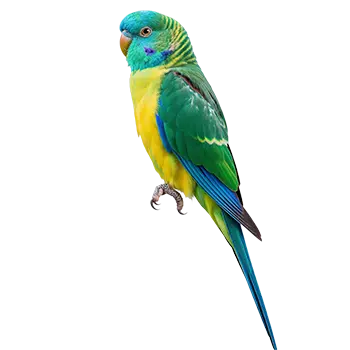

The Turquoisine Parakeet, Neophema pulchella, is a small Australian grass parakeet whose wild diet centers on the seeds of native grasses, herbaceous plants, and ground-level vegetation. Understanding this natural feeding ecology is essential for replicating appropriate nutrition in captivity. Unlike larger parrots that forage in tree canopies for fruits and nuts, Turquoisines are predominantly ground feeders that consume small, low-fat seeds along with greens, flowers, and the occasional insect. A captive diet that respects these natural preferences will produce a healthier, more vibrant bird than one built around generic parrot food formulations.
Protein requirements for Turquoisine Parakeets are moderate compared to larger psittacines. Growing chicks, breeding hens, and birds undergoing a heavy molt require elevated protein levels, which can be met through egg food supplements, sprouted seeds, and small quantities of cooked legumes. Outside of these demanding periods, excessive protein can stress the kidneys and liver, so the baseline diet should lean toward complex carbohydrates and moderate fats rather than protein-dense foods.
Fat intake is a critical consideration for this species. Turquoisines are prone to fatty liver disease and obesity when fed diets overly reliant on oil-rich seeds like sunflower and safflower. In the wild, the grass seeds they consume are significantly lower in fat than the commercial seed mixes marketed for hookbills. Keepers should select seed blends formulated specifically for grass parakeets or small parakeets rather than reaching for generic cockatiel or budgerigar mixes, which often contain a disproportionate amount of sunflower seed.
Vitamins A, D3, and E are of particular importance. Vitamin A supports respiratory health and immune function, and deficiency is common in seed-dependent birds that refuse fresh vegetables. Vitamin D3 is necessary for calcium metabolism and is best obtained through exposure to unfiltered sunlight or full-spectrum lighting, though dietary sources and supplements can fill gaps. Vitamin E functions as an antioxidant and supports reproductive health, making it especially important for breeding pairs.