
Nutritional Needs

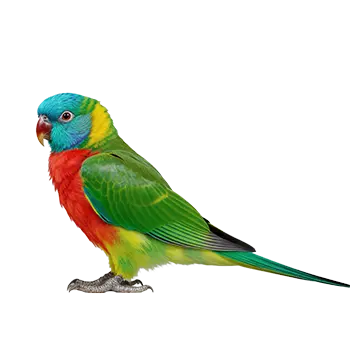
The Splendid Parakeet is a small Australian grass parakeet belonging to the genus Neophema, and its dietary requirements reflect millions of years of adaptation to arid and semi-arid grassland environments. In the wild, these birds forage primarily on the ground, consuming the seeds of native grasses, low-growing herbs, and various ground-cover plants. This foraging ecology means their metabolism is tuned to process small, relatively low-fat seeds rather than the oily, calorie-dense seeds that dominate many commercial bird mixes. Understanding this evolutionary context is essential for selecting food products that genuinely support long-term health rather than simply satisfying hunger.

Protein requirements for the Splendid Parakeet are moderate compared to larger parrot species. Adults in maintenance condition need roughly twelve to fourteen percent protein in their overall diet, with that figure rising during breeding season, molt, or recovery from illness. Excessive protein can strain the kidneys over time, particularly in a bird this small, so products marketed for larger hookbills with protein levels above eighteen percent are generally inappropriate as a dietary staple. Breeding pairs and growing chicks benefit from temporary protein supplementation through egg food or sprouted seeds rather than a permanent shift to a higher-protein base diet.

Fat content is a critical consideration for this species. Splendid Parakeets are small-bodied birds with limited capacity to metabolize excess dietary fat, and they are prone to fatty liver disease when fed diets dominated by sunflower seeds, safflower, or other oil-rich seeds. A healthy dietary fat range sits between four and eight percent of total intake for non-breeding adults. Products that list sunflower or safflower as a primary ingredient should be avoided as staple foods, though small quantities of these seeds can be offered as occasional treats without harm.

Vitamins and minerals round out the nutritional picture. Calcium and phosphorus must be available in appropriate ratios to support bone density and, during breeding, eggshell formation. Vitamin A from natural sources like leafy greens and orange vegetables supports respiratory and immune health. Iodine is another nutrient worth monitoring, as deficiency can cause thyroid enlargement in small parakeets. A varied diet built on quality seed mixes, supplemental pellets, and daily fresh foods typically covers these micronutrient needs without requiring extensive supplementation.

What to Look For

Selecting food products for a Splendid Parakeet starts with recognizing that this species falls into the small grass parakeet category, not the broader hookbill or large parakeet groupings that dominate pet store shelves. Products labeled for budgerigars or small parakeets are generally closer to the correct seed size and nutritional profile than those designed for cockatiels, conures, or larger species. However, even within the small parakeet category, significant quality differences exist, and reading ingredient lists carefully is more informative than relying on front-of-package marketing.

The first indicator of a quality seed mix is the diversity and freshness of its components. A good mix for grass parakeets should contain a base of small millets, including white proso millet, red millet, and Japanese millet, along with canary grass seed. These low-fat seeds should constitute the majority of the blend. Small amounts of Niger seed, linseed, and perilla add healthy fats and variety without pushing the overall fat content too high. Mixes that are visibly dusty, contain broken or discolored seeds, or smell musty have likely been stored too long and should be avoided regardless of their ingredient composition.

For owners incorporating pellets into the diet, size and formulation both matter. Pellets designed for budgerigars and small parakeets are appropriately sized for the Splendid Parakeet's small beak. Larger pellets intended for cockatiels or conures are difficult for these birds to manipulate and often go uneaten, creating waste and potentially discouraging pellet acceptance entirely. Naturally colored pellets without artificial dyes are preferable, as the dyes serve no nutritional purpose and can complicate health monitoring by altering droppings.

Packaging quality offers indirect evidence of product care. Seed mixes sold in resealable bags with clear expiration dates suggest a manufacturer that takes freshness seriously. Products sold in open bins or thin plastic bags without dates are more likely to harbor mold, mites, or rancid seeds. Vacuum-sealed or nitrogen-flushed packaging represents the highest standard for seed preservation and is worth the modest price premium for owners who want to minimize waste and maximize nutritional value.

Recommended Seed and Pellet Blends

The seed component of a Splendid Parakeet's diet should be built around a high-quality grass parakeet or small parakeet mix rather than a generic bird seed blend. Specialty aviculture suppliers often produce mixes specifically formulated for Neophema species, and these targeted blends are consistently superior to mass-market pet store offerings. A well-designed Neophema mix typically features white proso millet as the primary ingredient, supplemented by canary grass seed, Japanese millet, red panicum, and small quantities of Niger and linseed. These blends provide the appropriate caloric density and fat content for a bird adapted to lean grass seeds.

Pellets can serve as a valuable dietary supplement for Splendid Parakeets, though they rarely accept pellets as the sole or even primary food source with the readiness that larger parrot species sometimes do. The most successful approach is to offer pellets alongside the seed mix from a young age, allowing the bird to incorporate them gradually into its feeding routine. Micro-pellets or crumble-textured formulations are often better accepted than standard small pellets because their texture is closer to the crushed seeds these birds naturally prefer.

The ratio of seeds to pellets varies by individual acceptance and life stage. For birds that readily eat both, a diet of roughly sixty percent quality seed mix and twenty percent pellets, with the remaining twenty percent composed of fresh foods, provides balanced nutrition. Birds that refuse pellets entirely can still thrive on a diverse seed mix supplemented with generous daily fresh food offerings and appropriate mineral supplements. Forcing a complete conversion to pellets is counterproductive for this species and can cause dangerous weight loss in a bird with very little body mass to spare.

Sprouted seeds bridge the gap between dry seeds and fresh vegetables, and many Splendid Parakeets accept them enthusiastically. Sprouting transforms a dry seed into a living food with increased vitamin content, reduced fat, and improved digestibility. Small seeds like mung beans, quinoa, and the same millets found in dry mixes can be sprouted in dedicated sprouting trays over two to three days. Commercially available sprouting seed blends designed for small birds simplify the process and ensure variety. Sprouted seeds should be rinsed thoroughly before serving and discarded if any sour smell develops, as bacterial contamination is the primary risk in home sprouting.

Fresh Foods and Greens

Fresh foods are a non-negotiable component of a healthy Splendid Parakeet diet, providing vitamins, minerals, and dietary moisture that dry seeds and pellets cannot fully deliver. The wild diet of Neophema species includes significant quantities of green plant material, and captive birds benefit enormously from daily access to fresh greens and vegetables. Dandelion greens are among the most nutritionally valuable options, offering calcium, iron, and vitamin A precursors in a form that most Splendid Parakeets accept readily. Chickweed, when available, is another wild plant that closely mirrors the natural forage of Australian grass parakeets.

Leafy greens should form the backbone of the fresh food offering. Romaine lettuce, endive, kale, spinach in small quantities, and bok choy all provide valuable nutrition. Spinach should be offered sparingly because its oxalic acid content can bind calcium and reduce absorption when fed in excess, but occasional small servings are not harmful. Herbs like basil, cilantro, parsley, and dill add variety and are generally well-accepted by grass parakeets, which encounter aromatic plants in their natural habitat.

Orange and yellow vegetables deliver beta-carotene, a precursor to vitamin A that supports immune function and feather health. Finely grated carrot, small pieces of butternut squash, and thinly sliced sweet potato are all appropriate choices. These harder vegetables should be grated or shredded rather than offered in large chunks, as the Splendid Parakeet's small beak is not well-suited to breaking down dense, firm foods. Lightly steaming these vegetables softens them without destroying their nutritional content and can improve acceptance in birds that are reluctant to try new foods.

Fruit should be treated as an occasional supplement rather than a dietary staple, owing to its sugar content relative to its nutritional density. Small portions of apple without seeds, blueberries, strawberry pieces, or sliced grapes can be offered two to three times per week as a source of additional vitamins and dietary enrichment. Tropical fruits like papaya and mango are also appropriate in small amounts. The key is moderation, because a bird weighing only thirty to forty grams can consume a disproportionate amount of sugar from even modest fruit servings compared to its overall caloric needs.

Treats and Supplements

Treats for Splendid Parakeets should be chosen with their small body size firmly in mind. What constitutes a modest treat for a cockatiel represents a significant caloric load for a bird that weighs roughly thirty-five grams. Spray millet is the most universally accepted and practically useful treat for this species. It provides a natural foraging experience as the bird works individual seeds from the spray, and its nutritional profile is compatible with the grass parakeet diet. A one-inch segment of spray millet per day is an appropriate treat portion that provides enrichment without contributing meaningfully to excess calorie intake.

Commercially produced seed sticks and treat bars marketed for small parakeets are widely available but should be evaluated critically. Many of these products are held together with honey, sugar, or other binding agents that add unnecessary calories and can encourage selective feeding if offered too frequently. Products bound with egg white or gelatin rather than sugar are nutritionally preferable. Regardless of the binding agent, seed sticks should be offered as occasional enrichment items rather than daily fixtures, as birds may preferentially eat from the treat stick and ignore their nutritionally balanced seed mix.

Calcium supplementation is important for Splendid Parakeets, particularly for breeding hens that require substantial calcium reserves for eggshell production. Cuttlebone should be available at all times as a self-serve calcium source that also provides beak conditioning. Mineral blocks formulated for small birds offer a broader spectrum of trace minerals and are a useful complement to cuttlebone. For birds that ignore cuttlebone, powdered calcium supplements can be lightly dusted over wet fresh foods, where they adhere and are consumed incidentally.

Iodine supplementation deserves specific attention in small parakeet species. Thyroid hyperplasia caused by iodine deficiency is well-documented in budgerigars and occurs in other small parakeets including Neophema species when diets lack sufficient iodine. Iodine blocks designed for small birds provide a passive supplementation method, while liquid iodine supplements added to drinking water offer more controlled dosing. A quality pellet formulated for small parakeets typically contains adequate iodine, which is one of the nutritional advantages of including pellets in the diet even if they constitute a relatively small percentage of total intake.

Foods to Avoid

The small body mass of the Splendid Parakeet means that toxic foods can reach dangerous concentrations in the bloodstream far more rapidly than in larger parrot species, making dietary vigilance especially important. Avocado tops the list of absolute exclusions. Every part of the avocado plant contains persin, a fungicidal toxin that causes myocardial necrosis in birds. The lethal dose for a small parakeet is extremely small, and there is no effective treatment once clinical signs appear. Avocado should never be present in any area where the bird forages or where food is prepared for birds.

Chocolate and caffeine are dangerous for the same pharmacological reasons they affect other bird species, but the risk is amplified in a bird this small. Theobromine and caffeine cause cardiac stimulation, tremors, and potentially fatal arrhythmias. Even a tiny fragment of dark chocolate contains enough theobromine to threaten a thirty-five-gram bird. Tea, coffee, and caffeinated sodas should be kept well away from any area where the bird has access, as curious parakeets may sample unattended beverages.

Onion and garlic in all forms, including powdered seasonings, contain organosulfur compounds that damage avian red blood cells through oxidative stress. The resulting hemolytic anemia may not become apparent until days after ingestion, by which point significant red blood cell destruction has already occurred. This toxicity is cumulative, meaning that small repeated exposures are as dangerous as a single large dose. Any cooked food shared with or prepared near the bird should be free of these ingredients, including soups, sauces, and seasoned grains.

High-fat seeds fed as a primary diet rather than as occasional supplements deserve mention not because they are acutely toxic but because they cause chronic disease that shortens lifespan significantly. Sunflower seeds, hemp seeds, and peanuts are all calorie-dense foods that Splendid Parakeets will preferentially select when given free choice. A bird allowed to eat primarily these seeds will develop hepatic lipidosis, obesity, and nutritional deficiencies within months. The solution is not to eliminate these seeds entirely but to ensure they represent a very small fraction of the total diet, offered by hand as training rewards rather than mixed freely into the daily seed bowl.

Fruit pits and apple seeds contain amygdalin, which releases hydrogen cyanide when metabolized. While a single apple seed is unlikely to cause acute poisoning even in a small bird, the risk is unnecessary and easily avoided by coring fruit before offering it. Similarly, raw dried beans contain phytohemagglutinin, a lectin that causes severe gastrointestinal distress and can be fatal. All beans must be thoroughly cooked before serving. Rhubarb leaves, mushrooms of uncertain identification, and any plant material treated with pesticides or herbicides should also be excluded from the diet entirely.

Feeding Schedule

A consistent daily feeding routine supports digestive health, behavioral stability, and accurate intake monitoring in Splendid Parakeets. These birds are most active feeders in the early morning and again in the late afternoon, a pattern that reflects the crepuscular foraging habits of wild Neophema species that avoid the heat of midday in their native Australian grasslands. Aligning food availability with these natural activity peaks encourages healthy eating behavior and reduces the tendency to gorge or hoard.

The morning feeding should include a measured portion of the daily seed mix alongside freshly prepared vegetables and greens. Offering fresh foods early takes advantage of the bird's peak hunger and increases the likelihood that nutrient-dense greens and vegetables will be consumed rather than ignored in favor of seeds alone. Pellets, if part of the diet, can be provided in a separate dish that remains available throughout the day. Wet fresh foods should be removed after three to four hours to prevent bacterial growth, particularly in warm environments.

Portion sizing requires attention to the individual bird's weight and condition rather than rigid volume measurements. As a starting point, approximately one to one and a half teaspoons of seed mix per bird per day is appropriate for a non-breeding adult Splendid Parakeet, with a similar volume of fresh foods offered alongside. Monitoring body condition through regular weighing is far more reliable than estimating intake visually, as these small birds can lose or gain a meaningful percentage of their body weight before external signs become obvious. A digital gram scale accurate to one-tenth of a gram is an essential tool for any owner serious about nutritional management.

During breeding season, nutritional demands increase substantially. Hens producing eggs require elevated calcium, protein, and overall caloric intake. Egg food, sprouted seeds, and additional fresh greens should be introduced several weeks before anticipated breeding to build nutritional reserves. Once chicks hatch, the parents' need for soft, easily digestible foods escalates further, and frequent replenishment of sprouted seeds, soaked seeds, and egg food throughout the day supports both parental condition and chick growth. After the breeding season concludes, the diet should be gradually returned to maintenance levels to prevent obesity from continued high-calorie feeding.

Always consult a qualified professional before making any health-related decisions. This content is provided for informational reference only and should not replace professional guidance specific to your animal.