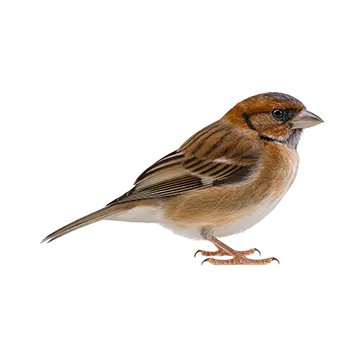

Enrichment Needs of Society Finches

Society Finches may not dismantle wooden blocks or solve puzzle feeders the way parrots do, but they are far from passive birds. Their enrichment needs are rooted in their natural behavioral repertoire, which centers on social interaction, foraging, bathing, nest building, and vocalization. A cage devoid of stimulation produces finches that sit motionless on a single perch for hours, a state that reflects boredom and disengagement rather than contentment. Thoughtful enrichment planning transforms the enclosure from a holding space into an environment that encourages a full range of natural behaviors.

The most important form of enrichment for a Society Finch is the company of other Society Finches. No toy or device can substitute for the social stimulation provided by flockmates. Mutual preening, communal roosting, vocal exchanges, and the gentle jostling of group dynamics provide constant mental engagement that a solitary bird simply cannot access. Any enrichment strategy should begin with ensuring the bird is housed with appropriate companions before adding physical objects to the environment.

Beyond social enrichment, environmental complexity is the guiding principle. A cage that offers varied perching heights, different textures, objects that move or change, and opportunities to make choices about where to go and what to do keeps finches cognitively active. Rotating toys and rearranging the cage interior on a regular schedule prevents habituation, the gradual loss of interest that occurs when the environment remains static for too long. Even small changes, such as moving a perch to a new position or introducing a fresh branch with leaves, can reignite exploratory behavior.

It is worth noting that Society Finches are generally timid about novel objects. Unlike parrots, which often approach new items with curiosity, finches may avoid unfamiliar toys for days before cautiously investigating them. Introducing new enrichment items at the periphery of the cage rather than in the center of the flight path, and leaving them in place long enough for the birds to acclimate, increases the likelihood of acceptance. Patience is essential, and a toy that seems ignored for the first week may become a favored item in the second.

Swings and Movement Toys

Swings are among the most universally enjoyed toys for Society Finches and serve as both enrichment and a preferred roosting site. A well-designed finch swing features a perch diameter of three-eighths to half an inch, smooth hardware that cannot trap feet, and a gentle swinging arc that does not bring the perch into contact with cage walls. Many commercial swings designed for finches and canaries meet these specifications and are suitable for Society Finches without modification.

The material composition of swings varies widely. Wooden swings with natural branch perches offer the irregular grip surface that promotes foot health, while acrylic and plastic swings are easier to clean and disinfect. Some swings incorporate beads, bells, or other elements that add visual and auditory interest. Bells should be sized so that a finch cannot insert its head or beak into the bell opening, and beads should be securely fastened to prevent ingestion. Small craft bells with open clapper slots can trap tiny finch toes and should be avoided in favor of larger, smooth jingle-style bells.

Society Finches often roost together on swings, and watching a row of finches huddled on a gently rocking perch is one of the species' most endearing behaviors. Providing at least one swing per group of birds ensures that all individuals have access. In larger enclosures, positioning multiple swings at different heights and locations gives the birds choices and reduces any squabbling over preferred spots. Some keepers install platform swings, which are flat surfaces suspended by chains or cords, offering a broader roosting area for communal sleeping.

Bouncing and flexible perches serve a similar function to swings by introducing movement into the cage environment. These spring-mounted or coiled perches sway when the bird lands, providing a mild physical challenge that engages balance and coordination. For a small, lightweight bird like a Society Finch, the spring tension should be gentle enough that the perch moves without violently bouncing, which could startle the bird and discourage use. Testing the perch with a light finger press before installation gives a reasonable approximation of how it will respond to a finch's weight.

Foraging Toys and Devices

Foraging enrichment taps into one of the most fundamental behaviors of any seed-eating bird. In the wild, the ancestors of Society Finches spent a significant portion of their waking hours searching for, selecting, and processing seeds from grasses and other plants. In captivity, food is typically presented in an open dish that requires no effort to access, eliminating the foraging challenge entirely. Restoring some degree of foraging complexity provides mental stimulation and physical activity that contributes directly to the bird's welfare.

The simplest and most effective foraging enrichment for finches is scattering seed directly on the cage floor rather than placing it exclusively in a dish. This encourages the birds to hop, peck, and search through the substrate, mimicking ground-level foraging behavior. For keepers using paper substrate, sprinkling seed on the paper accomplishes this. For enclosures with grated floors, a shallow tray of clean sand or fine gravel with seed mixed in provides a foraging opportunity without the seed falling through the grate. Sprigs of spray millet hung from the cage roof or clipped to the bars serve as another natural foraging challenge, requiring the birds to cling, reach, and extract individual seeds from the sprig.

Purpose-built foraging toys designed for small birds offer more structured challenges. Seed balls made from woven grass or palm leaf with seeds packed inside require the birds to pull and pick at the material to access the food. These are readily accepted by Society Finches and provide both foraging enrichment and material manipulation that satisfies the drive to shred and build. Foraging wheels and tumbling feeders that release seed when the bird interacts with them can be effective, though finches may take longer to learn the mechanism than parrots would. Starting with a partially filled, loosely packed device reduces frustration during the learning period.

Natural foraging opportunities can be created by offering small bundles of seeding grasses collected from pesticide-free areas. Many common lawn grasses produce seed heads that finches find irresistible, and processing seeds from a natural grass stem is a complex motor task that occupies the birds for extended periods. Dandelion seed heads are another excellent option. These natural materials also provide tactile enrichment as the birds pull apart stems and leaves. Any wild-collected plant material should come from areas free of pesticide, herbicide, and automotive pollution, and should be rinsed before offering.

Bathing and Water Enrichment

Bathing is a high-priority activity for Society Finches and functions simultaneously as hygiene behavior, enrichment, and social activity. Most Society Finches will bathe eagerly and frequently when given the opportunity, splashing vigorously enough to drench themselves and any nearby cage furnishings. Providing a regular bathing opportunity is one of the most impactful enrichment decisions a keeper can make, as the anticipation, activity, and post-bath preening sequence occupy a substantial portion of the bird's day.

Bath dishes designed for finch-sized birds should be shallow, stable, and wide enough for the bird to enter comfortably. A water depth of half an inch to one inch is sufficient for a Society Finch to bathe without risk of submersion. Ceramic and heavy plastic bath dishes with low walls and a textured floor surface provide secure footing and resist tipping. Clip-on bath houses that attach to an open cage door are a popular option that contain splashing and keep the cage floor relatively dry. These enclosed baths also provide a sense of security that encourages timid birds to bathe.

Bathing water should be room temperature or slightly warm, never hot or cold. Fresh, clean water should be provided for each bathing session, and the bath should be removed after the birds have finished, typically within thirty to sixty minutes, to prevent the water from becoming fouled with droppings or food debris. In warm climates or heated indoor environments, daily bathing opportunities are appropriate. In cooler conditions, offering baths earlier in the day ensures that the birds have time to dry fully before evening temperatures drop.

Mist bathing is an alternative or supplement to dish bathing that some Society Finches enjoy. A fine mist from a clean spray bottle, using plain lukewarm water, simulates a gentle rain and triggers preening and feather-fluffing behavior. Some birds find mist bathing more comfortable than immersing in a dish, particularly during their first exposure to bathing. For enclosures housing multiple birds, mist bathing allows all individuals to participate simultaneously without competing for access to a single dish. Regardless of the bathing method, ensure that the birds can dry in a warm, draft-free environment to prevent chilling.

Natural Materials and Shredding Toys

Society Finches have a strong instinct to manipulate fibrous materials, a behavior driven by their nest-building instincts. Even non-breeding birds will pick at, shred, and rearrange soft materials when they are available. Providing safe shredding materials satisfies this instinct and prevents the birds from redirecting the behavior onto cage liners, feathers, or other inappropriate targets. The key is selecting materials that are non-toxic, free of loose threads long enough to entangle, and appropriate for the bird's small beak.

Coconut fiber bundles are one of the most versatile and widely accepted enrichment materials for finches. A small bundle of loose coconut fiber hung from a cage bar or tucked into a clip provides hours of pulling, shredding, and carrying behavior. The fibers are strong enough to resist immediate destruction but soft enough for the finch's small beak to work with effectively. Palm leaf strips and dried banana leaves offer similar textures and can be woven through the cage bars or rolled into small bundles for the birds to disassemble.

Seagrass and woven grass toys designed for small birds are available from most pet suppliers. These typically take the form of mats, balls, or baskets made from tightly woven natural fibers. Society Finches will pick at the edges, pull loose strands, and gradually unravel these toys over the course of days or weeks. The slow destruction process is the enrichment value, so replacing the toy when it becomes too frayed to be safe rather than when it first shows signs of wear maximizes its useful life. Inspect woven toys regularly for loose loops or long strands that could catch around a toe or leg.

Craft-style enrichment items can be assembled at home from safe materials. Small bundles of untreated raffia, short lengths of sisal rope, or strips of undyed paper provide inexpensive shredding opportunities. Paper-based enrichment is particularly convenient because it can be replaced daily at minimal cost. Crumpled paper balls on the cage floor encourage ground-level exploration, while strips threaded through the cage bars create a curtain effect that the birds can push through and pull apart. Avoid any material that has been dyed, bleached with chlorine, treated with flame retardants, or manufactured with adhesives.

Mirrors and Visual Stimulation

Mirrors in finch enclosures are a topic that generates ongoing debate among keepers and avian behaviorists. Unlike parrots, which can develop problematic attachment to their reflection, finches generally do not exhibit the same intensity of mirror-directed behavior. Society Finches may show mild interest in a mirror, approaching and vocalizing near it, but they rarely fixate on it to the exclusion of other activities or social partners. In a group setting where real companions are available, a mirror is typically treated as a minor curiosity rather than an obsession.

For solitary birds housed temporarily alone, a mirror can provide limited visual stimulation, but it is a poor substitute for a living companion and should not be used as a long-term alternative to appropriate social housing. If a mirror is offered, it should be small, securely mounted with no sharp edges, and positioned where the bird can choose to interact with it or ignore it. Removing the mirror periodically prevents any possibility of dependency.

Visual enrichment beyond mirrors includes positioning the cage near a window where the birds can observe outdoor activity, such as wild birds at a feeder, squirrels, or the movement of leaves and branches. Natural light and changing outdoor scenery provide a constantly shifting visual field that finches appear to find engaging. However, window placement must account for temperature regulation. Direct sunlight through glass can overheat a cage rapidly, and cold drafts from single-pane windows in winter create dangerous temperature drops. A position that receives indirect natural light with a partial view of the outdoors balances visual stimulation with thermal safety.

Television and projected images are occasionally suggested as visual enrichment for caged birds. While some finches do appear to watch screens with interest, the enrichment value is uncertain and likely minimal compared to real-world visual stimulation. The flicker rate of some screens may also be perceptible and potentially irritating to birds, whose visual processing speed is significantly faster than that of humans. If screen-based visual enrichment is offered, it should supplement rather than replace real environmental complexity.

Rotation and Safety Guidelines

Toy rotation is one of the simplest and most effective strategies for maintaining enrichment value over time. Society Finches, like all animals, habituate to static environments, meaning they gradually stop responding to stimuli that remain unchanged. A swing that prompted enthusiastic use when first installed may be completely ignored after a month of constant presence. Rotating three or four sets of enrichment items on a weekly or biweekly schedule keeps the environment feeling novel without requiring a constant investment in new products. When a previously removed item is reintroduced after a period of absence, the birds often respond to it with renewed interest as if encountering it for the first time.

Safety inspection should be part of every cage maintenance routine. Small birds are vulnerable to hazards that would be inconsequential for larger species. Check all toys for loose parts, fraying fibers longer than two inches, cracked plastic, rusty hardware, and worn attachment points. Bells should be tested to confirm that the clapper is securely enclosed and that no opening is large enough for a finch bead or toe to enter. Any toy that shows signs of significant wear should be replaced rather than repaired, as adhesives and fasteners used in home repairs may introduce toxic materials.

Material safety is the first consideration when selecting or creating any enrichment item. Zinc, lead, and copper are toxic to birds and are found in some hardware, chains, and wire products. Quick-link fasteners, split rings, and chain links used to hang toys should be stainless steel or nickel-plated steel. Avoid galvanized hardware, which contains zinc. Leather strips or cords used in some toy constructions should be vegetable-tanned rather than chrome-tanned, as the chromium compounds used in chrome tanning are hazardous. When in doubt about a material's safety, contact the manufacturer for a material safety data sheet or choose a different product.

Overloading the cage with enrichment items is counterproductive. Too many toys reduce the flight space that finches need for their primary form of exercise and can create a cluttered, stressful environment rather than an enriched one. A practical guideline is to keep the center of the cage clear as a flight corridor and position enrichment items along the sides and ends where they are accessible without obstructing movement. Two to four items in addition to perches and food and water dishes is typically sufficient for a standard finch cage, with larger enclosures accommodating proportionally more.

Always consult a qualified professional before making any health-related decisions. This content is provided for informational reference only and should not replace professional guidance specific to your animal.