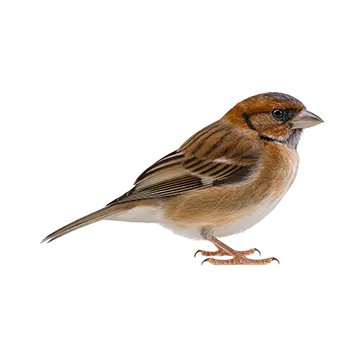

Nutritional Needs

Society Finches are domesticated descendants of the White-rumped Munia, a small granivorous bird native to tropical Asia. Their dietary requirements reflect this ancestry, centering on a seed-based diet supplemented with protein, calcium, and fresh greens. Though often regarded as easy keepers, Society Finches do have specific nutritional needs that must be met consistently to maintain healthy plumage, strong bones, and reliable breeding condition. An inadequate diet is the root cause of many common health problems in captive finches, from feather abnormalities to egg binding.

Protein is a critical macronutrient that many finch keepers underestimate. While seeds provide some protein, the amino acid profile of an all-seed diet is incomplete. Society Finches require supplemental protein sources, particularly during the molt and breeding season, when metabolic demands increase significantly. Egg food, sprouted seeds, and small amounts of live or dried insects provide the essential amino acids that dry seed alone cannot deliver. Birds kept on protein-deficient diets often produce thin-shelled eggs, experience prolonged molts, and show reduced vitality.

Calcium is equally important and frequently deficient in seed-based diets. Female Society Finches that are actively laying eggs have dramatically elevated calcium requirements, and insufficient calcium intake leads directly to egg binding, a potentially fatal condition. Even non-breeding birds need adequate calcium for bone maintenance and muscle function. Cuttlebone, mineral blocks, and finely ground oyster shell should be available at all times, and calcium-fortified foods should be part of the regular rotation.

Fat content in the diet should be kept moderate. Society Finches are small birds with relatively low energy expenditure in captivity, and high-fat seeds like sunflower and hemp can quickly lead to obesity if offered without restraint. A base diet built around smaller, lower-fat seeds such as white millet, canary grass seed, and Japanese millet keeps caloric intake in an appropriate range while still providing the essential fatty acids needed for feather health and cellular function.

What to Look For

The cornerstone of a Society Finch diet is a well-formulated finch seed blend. When evaluating seed mixes, the first consideration should be freshness. Seeds are living organisms that degrade over time, losing nutritional value and developing mold or rancidity. Quality seed should smell clean and slightly sweet, with no dusty residue at the bottom of the bag. Seeds that appear dull, clump together, or carry a musty or sharp odor should be discarded. Purchasing from suppliers with high turnover rates and checking packaging dates helps ensure the seed is reasonably fresh.

Ingredient composition matters as much as freshness. A good finch blend will feature a base of white proso millet and canary grass seed, supplemented with smaller proportions of Japanese millet, red millet, and Niger seed. Some premium blends incorporate small amounts of flax, perilla, and lettuce seed for additional variety. Avoid mixes that rely heavily on filler grains like oat groats or that contain large seeds intended for bigger birds, as Society Finches will simply ignore these and waste product.

Beyond the seed mix, look for egg food products specifically formulated for finches. These soft food supplements provide concentrated protein and are typically offered during breeding and molting but benefit birds year-round when given in moderation. The best egg food products use real egg as the primary protein source and incorporate grains, vitamins, and minerals without relying on artificial colors or excessive sugar. Some formulations are designed to be moistened before serving, while others are offered dry, and each approach has practical advantages depending on the keeper's routine.

Packaging and storage also influence product quality. Seed mixes packaged in resealable bags or vacuum-sealed containers retain freshness longer than those in simple paper bags. Once opened, seed should be stored in airtight containers in a cool, dry location away from direct sunlight. Egg food and soft supplements have shorter shelf lives once opened and should be refrigerated if the manufacturer recommends it.

Recommended Seed Blends

The ideal seed blend for Society Finches is built around small, easily husked varieties that match the bird's diminutive beak and natural foraging preferences. White proso millet should form the largest single component, typically comprising thirty to forty percent of the mix. Canary grass seed is the next most important ingredient, contributing essential amino acids and fats in a ratio that complements millet well. Together, these two seeds provide the caloric and nutritional backbone of the diet.

Japanese millet and red millet add textural and nutritional diversity. Japanese millet is slightly lower in fat than white proso and offers a different amino acid profile, while red millet provides variety that encourages active foraging rather than selective feeding. Niger seed, sometimes labeled as thistle seed, is a high-fat, high-protein addition that most finches find highly palatable. Because of its caloric density, Niger seed should constitute no more than five to ten percent of the total blend.

Specialty seeds like perilla, lettuce seed, and flax can round out a premium mix. Perilla seed is rich in omega-3 fatty acids and is a traditional component of Asian finch diets, making it a historically appropriate choice for a species domesticated in Japan. Lettuce seed is very small and low in fat, serving primarily as a foraging stimulant rather than a significant calorie source. Flax provides additional omega-3 content and supports feather condition, though its hard shell means some birds may ignore it unless it is cracked or offered in a sprouted form.

Keepers who maintain large collections often find it economical to purchase individual seed types and blend their own mixes. This approach allows precise control over fat content and variety and ensures that every component is fresh. A basic custom blend might combine four parts white millet, two parts canary grass seed, one part Japanese millet, one part Niger seed, and half a part each of flax and perilla. This can be adjusted seasonally, with slightly higher fat content during winter or breeding periods.

Fresh Foods and Sprouted Seeds

Fresh greens and vegetables provide vitamins, minerals, and moisture that dry seed cannot fully supply. Society Finches readily accept a range of leafy greens, with romaine lettuce, dandelion greens, chickweed, and spinach among the most commonly offered options. Greens should be washed thoroughly to remove pesticide residues and offered in small portions that the birds can consume within a few hours, as wilted or spoiled greens can harbor harmful bacteria. Clipping a leaf to the cage bars or placing it in a small dish encourages natural tearing and foraging behavior.

Sprouted seeds represent one of the most valuable dietary supplements available to finch keepers. The sprouting process transforms a dry, fat-heavy seed into a nutrient-dense, living food with dramatically elevated levels of vitamins, enzymes, and bioavailable protein. Sprouting also reduces the fat content of seeds by converting stored lipids into energy for the growing plant. For Society Finches, a mix of millet, canary seed, and mung beans sprouts quickly and is consumed enthusiastically. The sprouts should be rinsed thoroughly several times during the germination process and offered when the root tail is just emerging, typically after twenty-four to forty-eight hours.

Hygiene is the critical concern with sprouted seeds. The warm, moist conditions ideal for germination are equally ideal for bacterial and fungal growth. Sprouts must be rinsed under running water at least twice daily during the sprouting period, and any batch that develops an off smell, slimy texture, or visible mold should be discarded immediately. Using food-grade sprouting equipment with adequate drainage minimizes contamination risk. Some keepers add a small amount of grapefruit seed extract or apple cider vinegar to the soak water as an antimicrobial precaution, though clean technique and frequent rinsing are the most reliable safeguards.

Vegetables beyond leafy greens can also contribute to the diet. Grated carrot provides beta-carotene, while small pieces of broccoli floret offer calcium and vitamin C. Cucumber and zucchini are accepted by some birds and provide hydration. Fruit should be offered sparingly due to its sugar content, but occasional thin slices of apple or pear are generally safe and enjoyed. All fresh foods should be removed from the cage before they spoil, typically within three to four hours in warm conditions.

Treats and Supplements

Treats for Society Finches serve primarily as enrichment and dietary supplementation rather than training rewards, since finches are not typically trained in the same interactive manner as parrots. Spray millet is the most universally appreciated finch treat and doubles as an excellent foraging enrichment tool. A sprig of spray millet hung from the cage roof or clipped to the bars encourages climbing, clinging, and sustained pecking activity that mimics natural foraging. Because spray millet is nutritionally similar to the seed in the base diet, it can be offered regularly without significantly altering the overall nutritional balance.

Honey-coated seed sticks and similar commercial treats are widely available but should be evaluated carefully. Many of these products are held together with sugar-based binders and contain artificial colors that offer no nutritional benefit. If selecting a commercial treat stick, choose products bound with egg or gelatin rather than honey or corn syrup, and verify that the seed components are appropriate for finch-sized birds. Homemade treat sticks can be assembled using egg white as a binder, which provides additional protein without added sugar.

Calcium supplementation is non-negotiable for Society Finches, particularly for breeding hens. Cuttlebone is the traditional calcium source and should be available in the cage at all times. Some birds take readily to cuttlebone while others ignore it, so offering alternatives like crushed eggshell, mineral blocks, or powdered calcium carbonate sprinkled over egg food ensures that all birds receive adequate calcium regardless of their cuttlebone habits. Liquid calcium supplements added to the water supply are another option, though these can alter water taste and reduce overall water intake in some birds.

Vitamin supplements should be used with intention rather than as routine insurance. A Society Finch eating a varied diet of quality seed, egg food, sprouted seeds, and fresh greens generally receives adequate vitamins without additional supplementation. During periods of physiological stress, such as heavy molt, breeding, or recovery from illness, a water-soluble avian multivitamin can provide a temporary nutritional boost. Over-supplementation carries its own risks, particularly with fat-soluble vitamins that accumulate in body tissues, so following dosage guidelines carefully and consulting an avian veterinarian when in doubt is prudent.

Foods to Avoid

Several common foods pose serious health risks to Society Finches and must be kept out of reach entirely. Avocado tops the list, as the persin it contains causes cardiac failure in birds even in small quantities. Every part of the avocado plant, including the flesh, skin, pit, and leaves, is toxic. Given the Society Finch's tiny body mass, even trace exposure could be lethal, making vigilance around this food especially important in households where avocado is regularly prepared.

Chocolate and caffeine are equally dangerous. Theobromine and caffeine affect the avian cardiovascular and nervous systems at doses far lower than those harmful to mammals. A Society Finch weighing roughly half an ounce has virtually no margin for error with these substances. Coffee, tea, energy drinks, and all forms of chocolate should be consumed well away from any area where finches are housed or allowed to fly.

Salt is a less obvious but significant hazard. Society Finches have very limited capacity to excrete sodium, and even small amounts of salty food can cause dehydration, kidney stress, and electrolyte imbalances. Crackers, chips, pretzels, and other processed snack foods should never be shared with finches, no matter how persistent the birds may be in begging at the table. Similarly, butter, margarine, and other high-fat processed foods can cause hepatic lipidosis in small birds whose livers are not equipped to process concentrated fats.

Raw dried beans contain hemagglutinin, a lectin that is destroyed by thorough cooking but toxic in its uncooked form. Any bean offered to finches must be fully cooked and unseasoned. Fruit seeds and pits from apples, cherries, and stone fruits contain amygdalin and should be removed before offering fruit. Onion and garlic in any form can damage avian red blood cells over time, and rhubarb leaves contain dangerous concentrations of oxalic acid. When in doubt about a particular food, the safest approach is to withhold it until its safety for small passerines has been confirmed by a reliable avian nutrition resource.

Feeding Schedule and Portion Guidance

Society Finches are continuous grazers by nature, consuming small amounts of food throughout the day rather than eating distinct meals. This feeding pattern reflects their high metabolic rate and small body size, which leave them with limited energy reserves. The practical implication for keepers is that seed should be available at all times. An empty seed dish, even for a few hours, can cause dangerous drops in blood sugar for these tiny birds. Checking dishes at least twice daily is essential, as finches husk seeds in place and the dish may appear full when it actually contains nothing but empty hulls.

A general guideline for seed quantity is approximately one to two teaspoons of seed mix per bird per day, though actual consumption varies with individual metabolism, ambient temperature, activity level, and reproductive status. Birds housed in cooler environments or those that are actively breeding will consume more. Rather than measuring precisely, most experienced keepers fill the dish to a standard level each morning after blowing away the previous day's hulls, then check again in the afternoon to ensure adequate seed remains.

Fresh foods, egg food, and sprouted seeds should be offered in the morning when the birds are most active and hungry. These perishable foods should be presented in small, shallow dishes separate from the dry seed supply to prevent contamination. Remove uneaten fresh food within three to four hours to prevent spoilage, especially in warm weather. Egg food is particularly prone to bacterial growth when moist and should not remain in the cage longer than necessary.

Water must be fresh and available at all times. Society Finches drink frequently throughout the day and will not consume water that has become fouled with droppings, seed husks, or food debris. Water dispensers should be positioned away from perches to minimize contamination, and they should be cleaned and refilled daily at minimum. During hot weather or in heated indoor environments, checking water levels multiple times per day prevents dangerous dehydration. Tube-style water dispensers tend to stay cleaner than open dishes but should still be disassembled and scrubbed regularly to prevent biofilm buildup.

Always consult a qualified professional before making any health-related decisions. This content is provided for informational reference only and should not replace professional guidance specific to your animal.