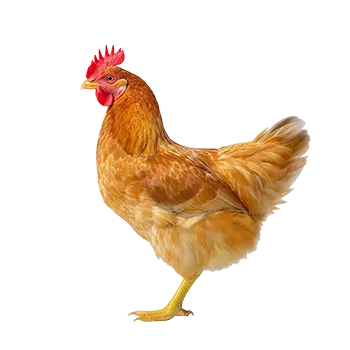

Seramas are among the most intelligent and socially engaged chicken breeds, and their mental needs are as real as their physical ones. In their native Malaysia, Seramas have been kept as household companions for generations, selected not only for their diminutive size but also for their responsiveness to human interaction, their bold personalities, and their alertness to their surroundings. A Serama that lacks mental stimulation does not simply sit quietly. It develops problematic behaviors, including feather picking, excessive vocalization, aggression toward cage mates, and repetitive pacing that signals genuine psychological distress.
Enrichment is the practice of providing environmental complexity and behavioral opportunities that allow a captive animal to express its natural repertoire of behaviors. For chickens, the core natural behaviors include foraging, scratching, pecking, dust bathing, perching at various heights, exploring novel objects, and engaging in social interactions with flock mates. In a bare enclosure with nothing but feed and water, none of these behaviors can be fully expressed. The bird's daily experience shrinks to eating, sleeping, and waiting, which is a profoundly inadequate existence for an animal with the cognitive capacity and social drive of a Serama.
The benefits of enrichment extend beyond behavioral health. Studies in poultry welfare science have demonstrated that chickens housed in enriched environments show lower baseline stress hormone levels, stronger immune function, and more robust feather condition compared to birds in barren housing. For Seramas, whose feather quality and carriage are often central to their appeal as companion and exhibition birds, the connection between enrichment and physical appearance is direct and measurable. A well-stimulated Serama carries itself with the confident, upright posture that defines the breed, while a bored or stressed bird often adopts a hunched, withdrawn stance.
Enrichment does not need to be expensive or elaborate. Many of the most effective enrichment strategies use inexpensive household items, natural materials, or repurposed objects that cost nothing. What matters is novelty, variety, and alignment with the bird's natural behavioral drives. A Serama that encounters the same environment day after day, even a well-equipped one, will eventually habituate to it and lose interest. Rotating toys, rearranging the enclosure layout, and introducing new objects on a regular schedule keeps the environment mentally stimulating over the long term.