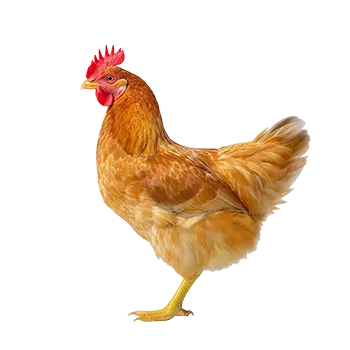

The Serama's unique combination of extreme small size, tropical origin, and companion-animal status makes it one of the chicken breeds that benefits most from technological monitoring and automation. Unlike a flock of cold-hardy heritage hens that can largely fend for themselves in a well-built coop, Seramas require precise environmental management that leaves little room for error. A temperature swing that a Rhode Island Red would barely notice can push a Serama into dangerous cold stress within hours. A predator small enough to slip through gaps that would stop a larger chicken can reach a Serama enclosure and do catastrophic damage before the keeper is aware of the intrusion.
Technology addresses these vulnerabilities by providing continuous monitoring, real-time alerts, and automated responses that extend the keeper's oversight beyond what manual checks can achieve. A wireless temperature sensor in the coop sends an alert to the keeper's phone when the temperature drops below a set threshold, allowing intervention before the birds are in distress. A camera provides visual confirmation that the flock is behaving normally without requiring a trip to the coop at midnight. An automated door closes the coop at dusk even when the keeper is stuck in traffic.
The cost of poultry technology has dropped dramatically in recent years, driven by the broader smart home industry. Sensors, cameras, and controllers that once required custom wiring and specialized equipment are now available as consumer-grade wireless devices that connect to home Wi-Fi networks and are managed through smartphone apps. This accessibility has brought technology within reach of small-scale keepers and hobbyists, not just commercial operations. For Serama keepers, many of whom already invest significant time and resources in their birds, the incremental cost of monitoring technology is easily justified by the protection and convenience it provides.
The following sections examine specific technology categories in the context of Serama care, identifying the products and features most relevant to this breed's particular needs. The goal is not to advocate for technology for its own sake but to match technological tools to genuine management challenges that Serama keepers face on a daily and seasonal basis.