
Enrichment Needs

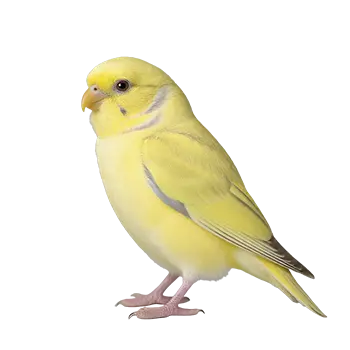
The Roller Canary is a song-focused breed whose behavioral repertoire is more subtle and less overtly playful than that of many parrots, but this does not mean the breed lacks enrichment needs. In the wild, canaries spend their days foraging through grasses and low shrubs, bathing, flying between perches, and engaging in the vocal displays that define their social lives. Captive Roller Canaries denied opportunities to express these natural behaviors become sedentary, may develop repetitive behaviors such as feather plucking or cage-bar chewing, and frequently show a decline in song output that defeats the primary purpose of keeping this breed.

Enrichment for Roller Canaries takes a different form than enrichment for parrots. Where a parrot might spend hours manipulating a puzzle toy with its beak and feet, a canary interacts with its environment primarily through flight, visual exploration, and foraging. Effective canary enrichment therefore emphasizes opportunities to fly, search for food in naturalistic ways, explore novel objects from a safe perch, and hear stimulating sounds including the songs of other canaries. The best enrichment products for this breed are those that encourage movement and foraging without requiring the dexterous manipulation that canaries are not equipped to perform.

The amount and type of enrichment a Roller Canary needs varies with its living situation. A bird housed alone in a standard cage requires more environmental variety than a bird kept in a large flight cage with companions, because the solitary bird has fewer natural stimuli. Similarly, a bird in a quiet household benefits more from auditory enrichment than one living in a room with moderate ambient sound and activity. The goal is to provide enough variety to keep the bird mentally engaged and physically active without overstimulating a breed that tends toward a calm, reserved disposition.

Rotation is a key principle of effective enrichment. Even the most appealing toy loses its novelty after days or weeks of constant exposure. Maintaining a small inventory of toys and cycling them in and out of the cage on a weekly basis keeps the environment fresh without requiring a large ongoing investment. A collection of six to eight simple items, with two or three in the cage at any given time and the rest stored for rotation, provides sustainable variety for most Roller Canaries.

Swings, Perches, and Movement Toys

Swings are the single most universally enjoyed toy among Roller Canaries and arguably the most important enrichment purchase an owner can make. A well-placed swing provides a dynamic perching surface that engages the bird's balance and coordination, and many Roller Canaries adopt the swing as their preferred singing perch. The gentle rocking motion appears to be inherently satisfying to canaries, and birds that are otherwise indifferent to toys will often take to a swing immediately.

Swing construction varies from simple wooden dowel designs suspended by chains or wire to more elaborate models incorporating beads, bells, or woven elements. For Roller Canaries, simpler is generally better. A swing with a natural wood perch bar of appropriate diameter, suspended from the cage top by smooth chains or stainless steel wire, provides the rocking motion the bird enjoys without dangling parts that could entangle small feet or toes. The perch bar should be the same diameter range recommended for cage perches, roughly three-eighths to five-eighths of an inch, and made from untreated, bird-safe wood.

Boing-style spiral perches, made from coiled rope or flexible material, offer another form of movement-based enrichment. These perches flex and bounce slightly when the bird lands or shifts position, providing mild physical stimulation similar to a swing but in a different orientation. They can be positioned vertically or at an angle, creating additional flight destinations within the cage. The material should be tightly coiled and made from natural fibers to prevent toe entanglement, which is a risk with loosely wound rope perches.

Ladders, while primarily associated with parrots and budgerigars, can be used by canaries if they are appropriately sized. A small wooden ladder with narrow rungs can serve as an alternative perching surface and a bridge between perch levels. Most canaries will hop along a ladder rather than climb it parrot-fashion, using it as a series of closely spaced perches. Ladders should be securely mounted rather than left to hang freely, as a swinging ladder can startle a canary and cause panicked flight within the cage.

Foraging Toys and Food-Based Enrichment

Foraging enrichment addresses one of the most significant behavioral deficits of captive bird keeping. In the wild, canaries spend a substantial portion of their waking hours searching for, selecting, and processing food. A captive bird with a full seed dish has this entire behavioral complex reduced to a few minutes of eating per day, leaving hours of unoccupied time. Foraging toys extend feeding time and require the bird to work for its food, restoring a degree of natural feeding behavior to the captive routine.

The simplest foraging enrichment for a Roller Canary involves presenting food in ways that require effort to access. Scattering seeds on a shallow tray of clean shredded paper forces the bird to search through the substrate to find individual seeds, mimicking ground foraging. Clipping whole leaf lettuce, kale, or herb sprigs to the cage bars requires the bird to tear off pieces rather than eating from a dish. Spray millet, wedged between cage bars or suspended from a clip, encourages the bird to work along the seed head, extracting seeds one at a time in a manner closely resembling natural feeding.

Purpose-built foraging toys for small birds are available in several designs. Wheel-style foragers with small compartments that the bird must rotate to access seeds, lattice balls that can be stuffed with greens or seed heads, and shallow foraging trays with removable covers all encourage active food seeking. When selecting foraging toys for canaries, size is the primary concern. Many foraging toys on the market are designed for parrots and are far too large or require too much physical strength for a canary to operate. Products specifically marketed for canaries and finches are more appropriate.

Homemade foraging devices are easy to create and can be as effective as commercial products. A small unbleached paper cup with a few seeds inside and the top loosely folded over creates a simple foraging challenge. A clean pine cone rolled in a thin layer of egg food and seeds provides both a foraging opportunity and a novel texture to explore. Toilet paper rolls stuffed with hay and seeds offer another inexpensive option. The key is ensuring all materials are untreated, unscented, free of inks or dyes, and small enough for the bird to interact with safely.

Mirrors, Bells, and Sensory Toys

Mirrors are among the most debated enrichment items in canary keeping. A small mirror placed in the cage can provide visual stimulation for a solitary bird, and some Roller Canaries will sing enthusiastically at their reflection, apparently responding to what they perceive as a rival male. This singing response can be beneficial for birds that are housed alone and lack auditory stimulation from other canaries. However, mirrors can also become a source of frustration or obsession, with some birds spending excessive time interacting with their reflection at the expense of eating, bathing, and other normal activities.

The recommendation for mirrors depends on the individual bird and the context. A Roller Canary that responds to a mirror with increased singing and normal behavior elsewhere is likely benefiting from the stimulation. A bird that becomes fixated on the mirror, attempts to feed its reflection, or shows signs of stress such as rapid breathing or aggression toward the mirror should have it removed. Mirrors should not be used as a substitute for genuine social interaction, either with other canaries or with the owner, and they are generally unnecessary in households where the bird can hear other canaries singing.

Small bells are another classic canary toy, and they provide auditory feedback that many canaries find engaging. A lightweight bell with a gentle tone, hung from the cage ceiling or attached to a swing, allows the bird to create sound through casual contact as it moves about the cage. Roller Canaries, being acoustically oriented birds, often show more interest in sound-producing toys than in silent ones. The bell should be small enough that the bird cannot get its head or feet caught in the opening, and the clapper should be securely attached to prevent ingestion.

Visual enrichment extends beyond mirrors to include any novel visual stimulus in or near the cage. Rotating the cage's position in the room, providing a window view of outdoor bird activity, or placing safe, nontoxic plants near the cage all add visual variety. Some owners hang small, colorful objects outside the cage at varying distances to create a more visually complex environment. The key constraint is to provide visual interest without creating visual stress. Rapid movements, flashing lights, and predator-shaped silhouettes near the cage windows are all sources of visual distress that should be mitigated rather than introduced.

Bathing and Water-Based Enrichment

Bathing is one of the most natural and eagerly performed behaviors of healthy canaries, and providing regular bathing opportunities is a form of enrichment that also supports feather and skin health. Roller Canaries that bathe regularly maintain better feather condition, preen more effectively, and exhibit fewer skin-related issues than birds denied bathing access. Most canaries will bathe enthusiastically when given the opportunity, splashing vigorously and then spending considerable time preening and drying their feathers.

Bath dishes designed for canaries attach to the cage door opening and provide a shallow basin of room-temperature water. The ideal bath dish has a depth of roughly one inch and a diameter wide enough for the bird to enter, splash, and turn around comfortably. Enclosed bath houses, which fit over the cage door and contain the splashing within a covered basin, reduce the mess of bath time significantly and are popular with owners who keep their bird in rooms where water damage is a concern. Both designs work well, and the choice depends primarily on the owner's tolerance for water on surrounding surfaces.

Bathing frequency should match the bird's interest and the ambient humidity. In dry environments or during the heating season, daily bathing opportunities help compensate for low humidity that dries skin and feather sheaths. In more humid conditions, offering the bath every two or three days may be sufficient. The bath should be offered during the warmer part of the day to give the bird time to dry completely before the evening temperature drop. Water should be plain and room temperature; never use soap, additives, or warm water, as canaries regulate their bathing behavior based on water temperature and chemical cleanness.

Mist bathing is an alternative or supplement to dish bathing. A fine mist from a clean spray bottle held several feet from the bird simulates rain and is accepted by many canaries. Some birds prefer misting to dish bathing, while others enjoy both. A gentle mist directed above the bird so that the droplets fall naturally downward is less startling than a direct spray. Commercial misters that attach to the cage top and produce an intermittent fine mist are also available, though they are more commonly used in aviary settings than for single-bird households.

Toy Safety

Toy safety is a paramount concern for Roller Canaries because their small size makes them vulnerable to hazards that larger birds might handle without incident. The most common toy-related dangers include entanglement in fibers or chains, ingestion of small parts, exposure to toxic materials, and entrapment in gaps or openings. Every toy introduced to the cage should be evaluated against these risks before the bird has access to it.

Fiber and string hazards are particularly relevant for small birds. Loose threads from fabric toys, frayed rope perches, and long fibers from natural material toys can wrap around toes, legs, or necks. Canary toes are delicate enough that a single fiber wound tightly around a toe can cut off circulation within hours, potentially resulting in the loss of the toe. All fiber-based toys and perches should be inspected regularly and replaced at the first sign of fraying. Cotton rope toys should be avoided entirely in favor of tightly woven natural fiber products or solid materials.

Metal components in toys introduce the risk of heavy metal toxicity. Zinc, lead, and copper are all toxic to birds, and cheap imported toys may use these metals in chains, bells, clasps, and hooks. Stainless steel and nickel-plated hardware are safe alternatives. When purchasing toys, look for products from manufacturers that specify bird-safe metals, and avoid toys with unknown metal composition, particularly those with dull gray or white metallic components that may indicate zinc coating. Quick-link connectors, commonly used to attach toys to cage bars, should also be stainless steel.

Size-appropriate toy selection prevents both injury and frustration. Toys designed for parrots are generally too large, too heavy, and too mechanically complex for canaries. A parrot puzzle that requires twisting, unscrewing, or lifting heavy parts provides no enrichment value to a canary that lacks the foot dexterity and beak strength to operate it. Conversely, toys with extremely small parts designed for finches may have components small enough for a canary to swallow. Products labeled specifically for canaries strike the right balance in size and mechanical complexity.

Auditory Enrichment and Song Stimulation

Auditory enrichment holds unique importance for Roller Canaries, a breed whose entire identity revolves around vocal performance. The Roller Canary was developed through centuries of selective breeding in the Harz Mountain region of Germany, where young males were traditionally trained by exposure to adult tutor birds with desirable song characteristics. While most pet Roller Canaries are not being prepared for song competition, the breed retains its deep responsiveness to auditory input, and sound-based enrichment can significantly enhance the bird's vocal development and singing activity.

Recordings of Roller Canary song, available through specialty breeders and canary enthusiast organizations, provide the most breed-specific auditory enrichment. These recordings feature the characteristic rolling, low-pitched song passages that define the German Roller tradition, including tours such as the hollow roll, bass roll, and water roll. Playing these recordings at moderate volume during the morning hours, when the bird is most vocally active, can encourage a young male to develop his own song and prompt an established singer to expand or refine his repertoire.

Live exposure to other singing canaries is the most effective form of auditory enrichment available. A male Roller Canary housed within earshot of other singing males will typically increase his own vocal output in response, engaging in the natural competitive singing behavior that drives song development in the wild. This does not require the birds to be in the same cage or even the same room; auditory contact through a doorway or from adjacent rooms is sufficient. For owners who keep only a single bird, attending canary club meetings or arranging occasional playdates with other canary owners provides social auditory stimulation that recordings cannot fully replicate.

General environmental sounds also contribute to a Roller Canary's auditory landscape. Gentle classical music, recordings of nature sounds including running water and songbird choruses, and the everyday sounds of household activity all provide a richer auditory environment than silence. Excessively loud, harsh, or unpredictable sounds should be avoided, as they can stress the bird and suppress singing. The television, while a common ambient sound source, can produce sudden volume spikes from commercials or action sequences that startle canaries, making radio or curated playlists a more controlled option for background sound.

Always consult a qualified professional before making any health-related decisions. This content is provided for informational reference only and should not replace professional guidance specific to your animal.