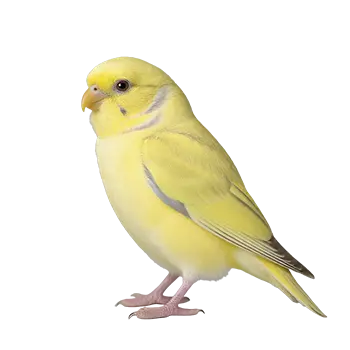

Technology for Canary Care

Technology has expanded the toolkit available to Roller Canary owners well beyond the traditional cage, seed dish, and cuttlebone. Modern sensors, cameras, smart lighting, and digital recording equipment allow keepers to monitor their bird's environment with precision, observe behavior remotely, and document the song development that is the hallmark of this breed. While none of these devices replace the fundamental requirements of good husbandry, they provide data and convenience that can meaningfully improve the quality of care a bird receives.

The Roller Canary is a breed where technology finds particularly natural applications. Because the breed's defining value lies in its song, tools that record, analyze, and preserve vocal performances have a relevance that extends beyond general pet monitoring. Breeders selecting the next generation of singers benefit from the ability to compare song recordings objectively rather than relying solely on memory. Environmental monitoring helps maintain the stable conditions that support consistent singing. And remote cameras allow owners to observe natural behavior patterns that the bird may suppress when a human is visibly present in the room.

Adopting technology should follow the same principle that guides all canary care: the bird's wellbeing comes first. Devices that generate electromagnetic interference, produce audible noise, emit flashing lights, or require frequent physical interaction with the cage can create stress that offsets any monitoring benefit. The best tech products for Roller Canary keepers are those that operate quietly in the background, collecting useful data or providing remote access without introducing new sources of disturbance into the bird's environment.

Cost-effectiveness varies widely across the technology landscape. Some of the most useful tools for canary owners are surprisingly affordable, while others represent significant investments that are justified primarily for breeders or serious hobbyists. The sections that follow evaluate each category of technology on its practical value to both casual pet owners and dedicated Roller Canary enthusiasts, helping readers identify which devices will genuinely improve their bird's care and which are better left for more specialized applications.

Cameras and Remote Monitoring

Pet cameras allow Roller Canary owners to observe their bird remotely through a smartphone application, providing both peace of mind during absences and a window into behaviors that the bird exhibits only when alone. Many canaries sing more freely, bathe more enthusiastically, and display a broader range of natural behaviors when no human is visibly present, making a camera an unexpectedly revealing tool for understanding the bird's true daily life. For owners who work away from home, a camera also provides early detection of problems such as a bird sitting fluffed on the cage floor, which can indicate illness that requires prompt veterinary attention.

When selecting a pet camera for use near a Roller Canary cage, several features deserve attention. Video resolution should be high enough to clearly observe the bird's posture, feather condition, and droppings at the bottom of the cage. A resolution of 1080p is generally adequate for this purpose, though higher resolution cameras provide sharper detail. Night vision capability, using infrared rather than visible light, allows observation during the bird's covered nighttime hours without disturbing its sleep. Two-way audio, a common feature in pet cameras, should be used cautiously with canaries, as an unexpected human voice from an unusual direction can startle a bird in an otherwise quiet room.

Camera placement requires thought. The camera should provide a clear view of the cage interior, including the primary perches, food and water stations, and the cage floor, without being so close that it dominates the bird's visual field. Mounting the camera on a shelf or wall several feet from the cage at a slight downward angle typically provides the best coverage. Wireless cameras that connect through home wifi eliminate the need for cables near the cage, which could be chewed if they drape within reach of the bars.

Cloud storage versus local storage is a practical consideration for owners who want to review footage rather than just watch a live feed. Cloud-based cameras store recorded video on remote servers, accessible from anywhere, but typically require a monthly subscription fee. Cameras with local storage on a micro SD card avoid the recurring cost but require physical access to the card to review old footage. For most Roller Canary owners, a live-view camera without continuous recording is sufficient, with recording activated manually when the owner wants to capture a specific behavior or song session.

Environmental Sensors

Environmental monitoring devices measure temperature, humidity, and air quality in the bird's immediate surroundings, providing data that helps the owner maintain optimal conditions. Roller Canaries are sensitive to environmental fluctuations that humans may not notice, and a digital sensor positioned at cage level often reveals that conditions at the bird's location differ from what the room thermostat or a distant weather station reports. A cage positioned near a sunny window, for example, may experience temperature spikes well above the room average, while a cage near an exterior wall may sit in a cool draft invisible to the owner standing in the center of the room.

Digital thermometer and hygrometer combination units designed for indoor use are the most practical environmental monitoring tools for canary keepers. The best units display current temperature and humidity along with twenty-four-hour highs and lows, providing a record of fluctuations that might otherwise go unnoticed. Some units include remote sensors that can be placed directly on or inside the cage while the display unit sits at a convenient reading distance. The target temperature range for Roller Canaries is sixty-five to seventy-five degrees Fahrenheit, and the target humidity range is forty to sixty percent.

Smart environmental sensors that connect to a home network and log data to a smartphone application offer additional functionality over basic digital units. These devices record continuous data over days, weeks, and months, allowing the owner to identify patterns such as overnight temperature drops, seasonal humidity shifts, or the impact of heating and cooling system cycles on the bird's environment. Some smart sensors include alert functions that notify the owner when temperature or humidity moves outside a preset range, which is particularly valuable during extreme weather or when the owner is away from home.

Air quality sensors that measure particulate matter, volatile organic compounds, and carbon dioxide concentration provide an additional layer of environmental awareness. While these are less commonly used in casual canary keeping, they can be valuable in households where the bird's room is exposed to cooking fumes, paint off-gassing, scented products, or other airborne compounds that threaten the sensitive avian respiratory system. A consistently elevated particulate reading near the cage might prompt the owner to add an air purifier or relocate the cage, decisions that could meaningfully extend the bird's lifespan.

Smart Lighting Systems

Smart lighting technology offers Roller Canary owners precise control over photoperiod management, which directly influences the bird's molting cycle, breeding readiness, hormonal balance, and singing behavior. While a simple plug-in timer connected to a full-spectrum bulb achieves the basic goal of consistent light scheduling, smart lighting systems add flexibility, gradual dimming, spectrum adjustment, and remote control that elevate photoperiod management from a blunt tool to a refined one.

Smart bulbs and smart plugs that connect to a home automation system allow the owner to program complex lighting schedules that mimic natural dawn and dusk transitions. Rather than an abrupt on-off switch, a smart bulb can be programmed to gradually increase brightness over a twenty- to thirty-minute period each morning and dim over a similar period each evening. This gradual transition reduces the nighttime fright response that canaries sometimes exhibit when sudden darkness descends, and it more closely replicates the natural lighting conditions under which the bird's physiology evolved.

Spectrum control is a feature available on some smart bulbs that allows the owner to adjust the color temperature of the light throughout the day. Cooler, bluer light in the morning simulates the higher color temperature of early daylight, while warmer, more amber tones in the evening mimic the spectrum of late afternoon sun. While research on the specific effects of color temperature cycling on canary behavior is limited, the principle aligns with what is known about avian visual perception and circadian rhythm regulation in birds generally.

Seasonal photoperiod programming is where smart lighting provides its greatest advantage over simple timers. An owner preparing a Roller Canary for breeding season can program a gradual increase in day length from ten hours to fourteen hours over a period of several weeks, advancing the start time and delaying the end time by a few minutes each day. This smooth transition mimics the natural lengthening of spring days and brings the bird into breeding condition more naturally than abrupt schedule changes. The same capability applies in reverse when the owner wants to trigger the molt by gradually reducing the photoperiod in late summer. Programming these transitions once and letting the system execute them automatically eliminates the need for manual timer adjustments every few days.

Sound Recording and Analysis

Sound recording equipment holds special relevance for Roller Canary owners because the breed exists specifically for its song. Recording a Roller Canary's song serves multiple purposes: it preserves the bird's vocal performances for the owner's enjoyment, provides a benchmark against which song development can be measured over time, and gives breeders an objective record of a singer's quality that can inform breeding decisions. For owners involved in canary song competitions, recordings are an essential tool for evaluating their birds against competition standards.

The recording equipment needed for quality canary song capture does not need to be expensive or exotic. A modern smartphone placed near the cage during a singing session produces recordings of sufficient quality for most purposes, including personal enjoyment and comparative evaluation. Dedicated portable audio recorders offer higher fidelity and features such as adjustable gain, stereo microphones, and lossless file formats that capture the full nuance of Roller Canary song. For owners who want the best possible recordings, a condenser microphone connected to a computer running audio recording software provides studio-grade capture at a modest investment.

Microphone placement significantly affects recording quality. A microphone positioned two to three feet from the cage at the bird's perch height captures the song with minimal room echo and background noise. Directional microphones, which pick up sound primarily from the direction they face, help isolate the bird's song from ambient household sounds. Positioning the microphone on a small table or shelf rather than on a stand reduces the pickup of vibrations transmitted through the floor. Recording during quiet morning hours, when the bird is most vocally active and the household is most still, produces the cleanest results.

Song analysis software and mobile applications allow owners to visualize their Roller Canary's song as a spectrogram, which displays the frequency, duration, and intensity of each song passage in graphic form. Spectrograms reveal details about the song structure that are difficult to discern by ear alone, such as the precise frequency range of individual tours, the smoothness of transitions between passages, and the presence of harsh notes or breaks that would count against the bird in competition scoring. Comparing spectrograms of the same bird over weeks and months provides an objective record of vocal development, which is particularly valuable for tracking the progress of young males in their first singing year.

Digital Scales and Health Tracking

A precision digital scale is one of the most diagnostically valuable pieces of technology a Roller Canary owner can possess. Body weight is the single most sensitive indicator of health status in small birds, and weight changes of even a fraction of a gram can signal the onset of illness before any other symptoms become visible. A healthy Roller Canary typically weighs between eighteen and twenty-five grams, and a sustained loss of two or more grams from the bird's established baseline warrants a veterinary consultation, even if the bird appears otherwise normal.

The scale must be accurate to at least one-tenth of a gram to be useful for canary monitoring. Kitchen scales marketed for precision baking and jeweler's scales both meet this accuracy requirement at modest cost. A lightweight perch or small platform placed on the scale gives the bird a stable surface to stand on while being weighed. Some owners construct a simple perch-on-scale setup using a section of dowel mounted on a small board, which the bird can be trained to hop onto with minimal handling. Weighing at the same time each day, ideally first thing in the morning before feeding, produces the most consistent and comparable readings.

Digital health tracking extends beyond weight to include food consumption monitoring and droppings observation. Measuring the amount of seed provided each morning and the amount remaining the following morning gives an approximate daily consumption figure that can be tracked over time. A sudden decrease in consumption often precedes visible illness by a day or more, providing an early warning that prompts closer observation and potentially earlier veterinary intervention. Smartphone notes, spreadsheet applications, or dedicated pet health tracking apps all serve as adequate tools for recording this data.

Droppings analysis, while not a technology product per se, is enhanced by technology. Photographing the cage liner each morning before cleaning provides a visual record of droppings color, consistency, volume, and distribution over time. Changes in droppings are among the earliest signs of digestive, renal, and hepatic disease in birds, and having a photographic record allows the owner to share objective information with the avian veterinarian during consultations. Some canary keepers use a simple smartphone app that reminds them to photograph the droppings daily and stores the images in a dated gallery for easy reference.

Smart Home Integration and Automation

Integrating Roller Canary care into a broader smart home ecosystem allows owners to automate routine environmental tasks and respond to changing conditions without manual intervention. The practical benefits center on consistency: automated systems execute lighting schedules, temperature responses, and humidity maintenance with a reliability that manual routines cannot match, particularly during vacations, busy work periods, or unexpected schedule disruptions.

Smart plugs are the simplest entry point into home automation for canary care. A smart plug connected to the bird's full-spectrum light and controlled through a scheduling app replaces the basic mechanical timer with a system that can be adjusted remotely, programmed with gradual brightness transitions, and integrated with other smart devices. A second smart plug connected to a room humidifier allows the owner to activate humidity supplementation remotely when a connected hygrometer reports that levels have dropped below the target range. These basic automations require no specialized technical knowledge and can be set up in minutes.

More advanced integrations use conditional automation routines, often called scenes or rules within smart home platforms, to trigger actions based on environmental readings. A rule that activates the humidifier when humidity drops below forty percent, or one that sends a phone notification when the cage-area temperature exceeds seventy-eight degrees, provides active environmental management without constant owner attention. For owners with smart thermostats, a rule that prevents the heating system from raising the room temperature above a bird-safe threshold adds a layer of thermal protection during the winter months.

The limitations of smart home technology in a bird care context deserve honest acknowledgment. Technology does not replace daily hands-on observation of the bird, manual cage cleaning, fresh food preparation, or the irreplaceable value of routine and human presence in the bird's life. Automation is most valuable for the things it can genuinely do better than a person, which are primarily tasks that require precise timing, consistent repetition, and continuous environmental vigilance. The core of Roller Canary care remains deeply analog: watching the bird, listening to its song, noticing subtle changes in behavior, and responding with the judgment that no sensor or algorithm can replicate.

Always consult a qualified professional before making any health-related decisions. This content is provided for informational reference only and should not replace professional guidance specific to your animal.