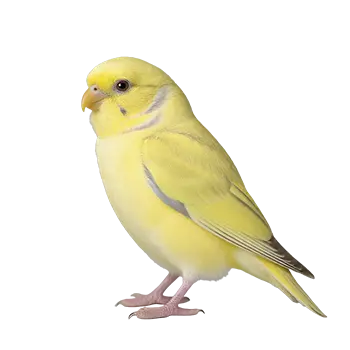

Nutritional Needs

The Roller Canary is a song-bred variety developed over centuries in the Harz Mountain region of Germany, and its nutritional requirements reflect both its small passerine physiology and the metabolic demands of sustained vocal performance. Song production is an energy-intensive activity that draws heavily on respiratory musculature, and a diet that falls short in any major nutrient category will manifest first in a decline in song quality and frequency before other health signs become apparent. Understanding the specific dietary needs of this breed is the foundation of every feeding decision an owner will make.

Carbohydrates and fats serve as the primary fuel sources for canaries, with seeds providing the bulk of both in a traditional diet. Roller Canaries have a faster metabolic rate relative to their body mass than many larger cage birds, which means they need consistent access to energy-dense foods throughout the day. A bird that runs low on calories will begin conserving energy by reducing activity and singing, and prolonged caloric deficit leads to muscle wasting and immune suppression remarkably quickly in a bird this small.

Protein requirements increase during the annual molt, during breeding season, and in young birds that are still developing. Feather production is a protein-intensive process, and a Roller Canary replacing its entire plumage during the late summer molt needs significantly more dietary protein than a bird in maintenance mode. Egg food, sprouted seeds, and certain fresh greens help bridge this gap, and experienced breeders adjust the protein content of the diet on a seasonal cycle rather than keeping it static year-round.

Micronutrients deserve equal attention. Calcium is essential for bone integrity and egg production in hens, while iodine supports thyroid function, which in turn regulates molting, metabolism, and overall hormonal balance. Vitamin A, often deficient in seed-heavy diets, maintains the health of the respiratory and digestive mucous membranes. A nutritionally complete diet for a Roller Canary addresses all of these needs through a combination of quality seed, supplementary foods, and targeted supplementation where necessary.

What to Look For

Selecting the right food products for a Roller Canary begins with understanding seed quality. Canary seed, the foundation grain for this species, varies enormously in quality between suppliers. High-quality canary seed is clean, dust-free, and has a bright, glossy appearance. Seeds that look dull, contain excessive hull fragments, or produce visible dust when poured are likely old or improperly stored, and their nutritional value will be diminished. The best suppliers provide harvest dates or expiration information, which helps ensure freshness.

A good canary seed mix extends beyond plain canary grass seed to include a measured proportion of other small seeds. Nyjer seed, flax seed, hemp seed, and small amounts of rapeseed are common and appropriate additions. The proportions matter: canary grass seed should constitute the majority, typically sixty to seventy percent, with oilier seeds like nyjer and flax making up the balance. Mixes that lead with millet or sunflower seeds are formulated for finches or larger birds and are not appropriate as a primary diet for Roller Canaries.

Beyond seeds, look for egg food products that list real egg as the primary ingredient rather than relying on cereal fillers and artificial coloring. Quality egg food has a crumbly, slightly moist texture and a mild scent. Products that are overly dry, powdery, or brightly dyed are generally lower in nutritional value. Some breeders prefer to make their own egg food from hard-boiled eggs, dried breadcrumbs, and grated vegetables, which provides complete control over ingredients but requires more preparation time.

Pellets designed for canaries and small finches represent an alternative or supplementary approach to nutrition. When evaluating pellets, the same principles apply as with any formulated diet: whole-food ingredients should lead the ingredient list, artificial colors and flavors should be absent, and the pellet size must be small enough for a canary to handle comfortably. Pellets designed for parrots or larger softbills are far too large and often too nutrient-dense for a canary's system.

Recommended Seed Mixes and Pellets

The traditional seed-based diet remains the most widely used and most readily accepted feeding approach for Roller Canaries. A purpose-formulated canary seed mix from a reputable manufacturer provides the caloric foundation the bird needs. The best mixes use human-grade seed stock that has been cleaned, screened for debris, and tested for fungal contamination. Seed that has been exposed to moisture during storage can harbor aspergillus mold, which poses a serious respiratory threat to canaries, making supplier reliability a genuine health consideration rather than just a quality preference.

Some advanced seed blends incorporate dried herbs, bee pollen, or ground cuttlebone directly into the mix. These additions can provide trace minerals and plant compounds that support immune function and digestive health. While not strictly necessary if the bird receives these nutrients from other sources, they represent a convenient way to broaden the nutritional profile of the seed base without requiring additional food preparation from the owner.

Pellet feeding has gained traction among canary keepers in recent years, though adoption is slower than in the parrot community. Small-format pellets formulated specifically for canaries and finches offer a nutritionally complete option that eliminates the selective feeding problem, where birds pick out their favorite seeds and leave the rest, creating nutritional gaps. Transitioning a Roller Canary from seed to pellets requires patience, as canaries can be conservative about accepting unfamiliar food forms. A gradual mixing approach, starting with a small percentage of pellets blended into the familiar seed mix and increasing the proportion over several weeks, tends to produce the best results.

A blended approach that combines a quality seed mix with a smaller proportion of pellets gives many owners the best of both worlds. The seed provides foraging enrichment and the fatty acids that support feather quality, while the pellets ensure baseline nutritional completeness. This hybrid strategy is particularly well-suited to Roller Canaries, which benefit from the behavioral stimulation of hulling seeds but also need the nutritional consistency that pellets provide during high-demand periods like molting and breeding.

Egg Food, Sprouted Seeds, and Fresh Foods

Egg food is arguably the single most important supplementary food for Roller Canaries, and its role in the diet of song canaries has been recognized by European breeders for centuries. Commercial egg food products designed for canaries typically combine dried egg, breadcrumb or biscuit meal, vitamins, and minerals into a crumbly mixture that can be offered dry or slightly moistened. During the breeding season and the molt, egg food may constitute up to a quarter of the total daily diet, providing the concentrated protein that feather growth and chick rearing demand.

The quality spread among commercial egg food products is wide. Premium formulations use whole dried egg with minimal filler and no artificial colorants, while budget products may substitute plant proteins for much of the egg content and rely on yellow dye to simulate the appearance of egg. Reading the ingredient panel is the only reliable way to distinguish between the two, since packaging and marketing claims can be misleading. The egg or egg product should appear as the first or second ingredient for the product to deliver meaningful protein supplementation.

Sprouted seeds occupy a special place in canary nutrition. When seeds are soaked and allowed to germinate, their fat content drops while their protein, vitamin, and enzyme levels increase substantially. Sprouted canary seed, mung beans, and radish seeds are commonly used, and the birds typically accept them eagerly. The sprouting process must be managed carefully to prevent bacterial and fungal contamination. Seeds should be rinsed at least twice daily during sprouting, any seeds that develop off odors or visible mold should be discarded, and the finished sprouts should be offered fresh and removed from the cage within a few hours to prevent spoilage.

Fresh greens and vegetables provide vitamins, minerals, and dietary variety. Romaine lettuce, dandelion greens, broccoli florets, grated carrot, and small pieces of bell pepper are all safe and well-accepted by most Roller Canaries. Dark leafy greens are particularly valuable for their calcium and beta-carotene content. Fresh food should be washed thoroughly to remove pesticide residues and offered in small quantities that the bird will consume within a few hours, since wilted or spoiled produce can cause digestive upset.

Treats and Supplements

Treats for Roller Canaries serve primarily as enrichment and dietary variety rather than training rewards, since canaries are not typically trained to perform behaviors on cue the way parrots are. Spray millet is the classic canary treat, and most Roller Canaries will work enthusiastically at a millet spray clipped to the cage bars. Because spray millet is relatively low in fat compared to oilier seeds, it can be offered several times per week without significantly unbalancing the diet, though it should not be available continuously or it may displace more nutritious foods.

Honey and seed sticks sold as canary treats vary widely in quality. The best versions use a base of canary-appropriate seeds bound with a thin layer of honey or egg white, while lesser products rely on sugar syrups, artificial flavors, and excessive binding agents. A good seed stick should crumble into recognizable seeds when broken, not into a dense, candy-like mass. Treats of this type are best offered occasionally as enrichment rather than as dietary staples.

Calcium supplementation is essential for all canaries and especially important for breeding hens. Cuttlebone is the traditional calcium source and should be available in the cage at all times. Some birds readily gnaw cuttlebone, while others largely ignore it, which makes it an unreliable sole calcium source. Liquid calcium supplements added to drinking water or powdered calcium sprinkled over egg food provide a more consistent delivery method for birds that do not voluntarily consume cuttlebone. Crushed oyster shell, offered in a small dish, provides another option.

Iodine supplementation supports thyroid health and is particularly relevant for canaries, which are more susceptible to iodine deficiency and resulting thyroid enlargement than many other cage birds. Iodine blocks designed for canaries can be placed in the cage alongside the cuttlebone, or liquid iodine preparations can be added to the water supply at the manufacturer's recommended dilution. Vitamin supplements should be used conservatively and ideally under veterinary guidance, since canaries receiving a varied diet of quality seed, egg food, fresh greens, and appropriate mineral sources rarely need broad-spectrum vitamin supplementation.

Foods to Avoid

Several common foods are dangerous or toxic to Roller Canaries, and their small body mass means that even minor exposures can produce serious effects. Avocado is toxic to all birds, with the persin compound it contains causing respiratory distress, fluid accumulation around the heart, and death. No part of the avocado plant, including the fruit flesh, skin, pit, or leaves, should ever be accessible to a canary.

Chocolate and caffeine-containing foods are similarly dangerous. Theobromine, the compound responsible for chocolate toxicity in many animals, affects the cardiac and nervous systems of birds at very low doses. Coffee, tea, and caffeinated soft drinks pose the same risk. Given the Roller Canary's body weight of roughly twenty to twenty-five grams, even a tiny quantity of these substances can reach toxic concentrations rapidly.

Onion and garlic in all forms, including powdered seasonings, can damage red blood cells in birds and lead to anemia with repeated exposure. Many processed human foods contain these ingredients in hidden forms, which is one of several reasons why sharing table food with canaries is generally inadvisable. Salt is another concern; birds have very limited capacity to excrete excess sodium, and salty foods can cause dehydration, kidney damage, and electrolyte imbalances.

Fruit seeds and pits from apples, cherries, pears, peaches, and apricots contain compounds that release cyanide during digestion. While the small quantities a canary might encounter pose less risk than for a larger bird that could consume an entire pit, it is best practice to remove all seeds and pits before offering fruit. Rhubarb leaves, raw dried beans, and mushrooms should also be excluded from the diet. Lettuce varieties with minimal nutritional value, particularly iceberg lettuce, are not toxic but can cause loose droppings and displace more nutritious foods from the diet.

Feeding Schedule and Portions

Roller Canaries should have access to their primary seed mix throughout the day. Unlike parrots, which can be meal-fed on a schedule, canaries have a metabolic rate that requires frequent feeding, and they will eat small amounts repeatedly over the course of the day rather than consuming large meals. An empty seed dish, even for a few hours, can lead to dangerous energy depletion in a bird this small, particularly during cold weather or after a night without food. Most keepers fill the seed dish each morning, blowing off empty hulls that accumulate on the surface so the bird can access fresh seed beneath.

A typical daily seed portion for a single Roller Canary is approximately one to two level teaspoons of seed mix. This sounds modest, but it represents a substantial amount relative to the bird's body weight. Owners new to canary keeping often overfill the seed dish, which leads to waste and makes it difficult to monitor how much the bird is actually consuming. Measuring the daily portion and noting how much remains the following morning provides a baseline for understanding the individual bird's intake patterns and detecting early changes in appetite that might signal illness.

Egg food and fresh foods should be offered on a rotating schedule. During non-breeding, non-molting periods, egg food two to three times per week is sufficient for most Roller Canaries. During the molt or breeding season, daily egg food is standard practice among experienced breeders. Fresh greens can be offered daily in small quantities, with the uneaten portion removed after a few hours. Sprouted seeds, when provided, should replace a portion of the dry seed for that day rather than being offered in addition to a full seed ration, to prevent overconsumption.

Water must be fresh and available at all times. Canaries drink frequently throughout the day, and stale or contaminated water is a common source of bacterial infection. Water dishes or bottles should be cleaned and refilled daily, and any water supplements such as vitamins or electrolytes should be mixed fresh each day according to the product's instructions. Tube-style water dispensers reduce contamination from droppings and seed hulls compared to open dishes, though some birds prefer open water sources and may need a transition period when switching to a tube dispenser.

Always consult a qualified professional before making any health-related decisions. This content is provided for informational reference only and should not replace professional guidance specific to your animal.