
Enrichment Needs

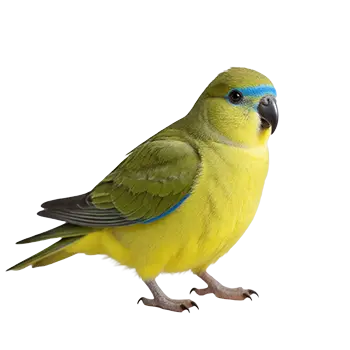
Enrichment for Rock Parrots must be approached with an understanding of how this species interacts with its environment in the wild. Neophema petrophila is not a climber, a destructive chewer, or a particularly playful species in the way that cockatoos or conures are. Its behavioral repertoire centers on ground-level foraging, quiet exploration, and subtle social interaction with a mate or small flock. Enrichment products that ignore these natural tendencies and instead target the behaviors of more commonly kept parrot species will sit unused in the enclosure while the bird continues to pace the cage floor looking for something meaningful to do.

The primary enrichment need of a Rock Parrot is the opportunity to forage. In the wild, these birds spend hours each day walking through coastal scrub, turning over leaf litter, and picking through sandy soil for seeds. This foraging drive does not disappear in captivity; it simply goes unmet when food is presented in a clean dish that the bird can empty in minutes. Providing outlets for foraging behavior is the single most impactful enrichment strategy for this species, and it shapes the entire approach to toy and activity selection.

Sensory variety is another important enrichment dimension. Rock Parrots are visually attentive birds that notice changes in their environment and respond to novel objects with cautious curiosity rather than the bold investigation typical of larger parrots. Introducing new items gradually, placing them near the cage before moving them inside, and allowing the bird to approach on its own terms respects the species' temperament while still providing the novelty that prevents behavioral stagnation.

Physical exercise enrichment is more subtle for Rock Parrots than for highly acrobatic species but is no less important. Encouraging movement through the enclosure by positioning foraging stations, perches, and points of interest at different levels and locations motivates the bird to walk, hop, and make short flights throughout the day. A sedentary Rock Parrot that sits on a single perch for most of the day is not content; it is under-stimulated, and its housing or enrichment program needs adjustment.

Foraging Toys and Puzzle Feeders

Foraging toys are the cornerstone of any enrichment program for Rock Parrots. The most effective foraging devices for this species are those that operate at or near ground level and require the bird to search through a substrate or manipulate simple barriers to access food. A shallow tray filled with clean soil, dried grass, shredded paper, or coco coir, with small seeds scattered throughout, creates an engaging foraging station that can occupy a Rock Parrot for extended periods. Commercial foraging trays with adjustable difficulty levels are available, but a simple homemade version is equally effective.

Puzzle feeders designed for small parrots offer a step up in complexity from substrate-based foraging. Acrylic foraging wheels that the bird must turn to release seeds, small sliding-drawer puzzle boxes, and stackable foraging cups are all appropriate for Rock Parrots provided they are sized for small birds. Products designed for cockatiels or larger species may be too heavy, too stiff in their mechanisms, or too large for a Rock Parrot to manipulate comfortably. When selecting puzzle feeders, test the mechanism yourself to confirm that it operates with the light pressure that a fifty-gram bird can exert.

Wrapped treats are among the simplest and most universally enjoyed foraging enrichment items. A small bundle of spray millet wrapped in a piece of unbleached paper, a cupcake liner folded around a few seeds, or a toilet paper tube with the ends crimped shut and a pinch of seed inside all provide a foraging challenge that the bird must solve by shredding the paper wrapper. These disposable items cost almost nothing to prepare and can be rotated daily for continuous novelty. The shredding action also satisfies a mild destructive urge that even gentle species experience.

Ground-level foraging mats made from woven seagrass, sisal, or untreated raffia provide a textured surface through which seeds can be pressed. The bird picks and pulls at the fibers to extract the seeds, combining foraging motivation with the tactile stimulation of manipulating natural fibers. These mats can be laid directly on the cage floor or placed on a low platform and should be replaced when they become soiled or excessively shredded. Some keepers rotate between several mats to maintain novelty and allow used mats to be cleaned and dried between uses.

Shredding and Chewing Toys

While Rock Parrots do not have the powerful chewing drive of larger parrot species, they do enjoy manipulating and shredding soft materials with their beaks. Toys made from natural, untreated fibers are the most appropriate choices. Bundles of palm leaf strips, vine balls, seagrass twists, and compressed sola wood pieces offer textures that a Rock Parrot can dismantle at its own pace without the frustration of encountering materials too hard for its small beak to process.

Small hanging shredders composed of layered paper, cardboard, and balsa wood strips strung on a bird-safe cord or stainless steel wire provide activity for Rock Parrots that are willing to interact with elevated cage furnishings. These toys should be lightweight enough that they do not swing dramatically when the bird contacts them, as excessive movement can startle a shy species. Positioning a shredder toy near a stable perch rather than in open space gives the bird a secure base from which to interact with the toy.

Cork is an excellent material for Rock Parrot toys. Natural bark cork is soft enough for small beaks to chip and peel, produces satisfying textures and fragments, and is non-toxic. Small sections of cork bark can be attached to the cage wall at low height or placed on the cage floor as an item to pick at and manipulate. Some keepers wedge small seeds into the natural crevices of cork bark, combining the textural interest of the material with a foraging reward that motivates sustained interaction.

Toy safety is a critical concern with any chewing product. Small parts that could be swallowed, jute or cotton strings long enough to wrap around toes or necks, dyed materials with unknown chemical content, and metal components made from zinc or lead alloys all pose risks. Inspect every toy before introduction, and remove any item that develops loose threads, broken sharp edges, or small detachable components. Regular inspection is especially important for shredding toys, which are designed to come apart and therefore progress from safe to potentially hazardous as they are used.

Swings, Ladders, and Movement Toys

Swings and movement toys play a different role in Rock Parrot enrichment than they do for more acrobatic species. A Rock Parrot is unlikely to perform the enthusiastic swinging behavior of a budgerigar or the gymnastic climbing of a conure. However, a small, stable swing positioned at low to mid-height in the cage can serve as a favored resting and preening perch whose gentle movement provides subtle vestibular stimulation. The swing should be proportioned for a small bird, with a perch diameter of approximately twelve to fifteen millimeters and a width that allows the bird to sit comfortably without its tail pressing against the cage wall.

Ladders appeal to some Rock Parrots as a means of moving between cage levels without flying. Small wooden or rope ladders with closely spaced rungs can be positioned at a gentle angle between the cage floor and a mid-level perch, creating a gradual pathway that the bird can walk rather than fly. This is particularly useful in cages that have limited horizontal flight space, as it encourages physical activity through climbing rather than requiring burst flight that may not be possible in a smaller enclosure.

Rope perches made from bird-safe cotton or sisal offer a textured, flexible perching surface that differs from rigid wooden branches. These perches can be bent into curves and spirals that create gentle inclines and interesting shapes within the cage. Rock Parrots with access to rope perches often use them for foot exercises, shifting their grip and adjusting their position in ways that promote foot health and muscle tone. Rope perches should be inspected weekly for fraying, and any sections where loose fibers could entangle toes should be trimmed or the perch replaced entirely.

Boing-style spiral rope perches, which hang vertically and bounce slightly when the bird moves on them, are accepted by some Rock Parrots and rejected by others. The species' cautious temperament means that any toy with unpredictable movement should be introduced slowly. Hanging the boing in the enclosure for several days before allowing the bird access, or positioning it near a favored perch so the bird can investigate at its own pace, increases the likelihood of acceptance. If the bird shows persistent fear or avoidance after a reasonable introduction period, the item should be removed rather than forced.

Natural and DIY Enrichment

Some of the most effective enrichment for Rock Parrots costs nothing and can be assembled from safe natural materials. Fresh branches from bird-safe trees and shrubs provide combined chewing, perching, and visual enrichment. Eucalyptus branches with leaves intact offer aromatic stimulation and a destructible surface that the bird can strip and peel. Bottlebrush, grevillea, and native tea tree branches are additional options that can be gathered from chemical-free gardens or bushland. All branches should be washed and inspected for insects before introduction to the enclosure.

Seeding grasses and wild herbs gathered from unsprayed areas provide outstanding foraging enrichment. A bundle of seeding rye grass or wild oat heads placed on the cage floor or wedged between the bars at low height gives the Rock Parrot the opportunity to pick out individual seeds exactly as it would in the wild. Dandelion plants with roots, leaves, and flowers intact offer a multi-textured item that the bird can pull apart, eat selectively, and interact with for extended periods. These natural items should be offered fresh and removed before they wilt or develop mold.

DIY foraging stations can be constructed from simple household materials. A clean egg carton with small amounts of seed placed in each cup, covered loosely with crumpled paper, creates a multi-compartment foraging puzzle. A clean paper bag with seeds scattered inside and the top loosely folded encourages the bird to enter, explore, and forage in an enclosed space that simulates the sheltered feeding sites Rock Parrots often use in the wild. Toilet paper tubes stuffed with crumpled tissue and a few seeds are quick to prepare and eagerly dismantled.

Environmental enrichment extends beyond physical objects. Rearranging perches, platforms, and toys on a regular schedule provides cognitive stimulation by requiring the bird to relearn its environment. Placing the food dish in a different location periodically encourages exploration and prevents the bird from developing a rigid routine. Audio enrichment, such as recordings of natural bird calls or soft instrumental music, can also benefit captive Rock Parrots, though the volume should be kept low and the bird's response monitored for signs of stress or overstimulation.

Bathing and Water Play

Bathing is an important behavioral need for Rock Parrots that doubles as a form of enrichment. In the wild, these birds bathe in shallow rock pools, dew-soaked vegetation, and rain puddles. A shallow dish of clean, lukewarm water placed on the cage floor during the warmer part of the day is the simplest and most reliable bathing method. The dish should be heavy enough to resist tipping and shallow enough that the water depth does not exceed two to three centimeters. Many Rock Parrots are most receptive to bathing in the morning, when their natural inclination to preen and maintain plumage condition is strongest.

Some Rock Parrots prefer to bathe by rolling in wet greens rather than entering a water dish. Placing a handful of freshly washed, dripping-wet lettuce leaves or spinach on the cage floor triggers rolling and wing-spreading behavior that accomplishes the same plumage wetting as a traditional bath. This method of bathing is common in Neophema species and may be preferred by birds that are reluctant to step into standing water. Providing both a water dish and wet greens allows the bird to choose its preferred bathing method.

Misting with a fine-spray plant mister is another bathing option that many Rock Parrots accept once acclimated. The mist should be directed upward so that it falls gently downward onto the bird, simulating rainfall rather than a direct spray. Water temperature should be lukewarm, and the misting session should be brief, lasting no more than a minute or two. The bird's body language guides the process: a bird that fluffs its feathers, spreads its wings, and leans into the mist is enjoying the experience, while a bird that sleeks its feathers and retreats is not ready for misting and should be given alternative bathing options.

Bathing frequency varies with individual preference, seasonal conditions, and humidity levels. Most Rock Parrots benefit from bathing opportunities at least two to three times per week, with daily access during warm weather or in heated indoor environments where low humidity can dry out feathers and skin. After bathing, the bird should have access to a warm, draft-free area where it can preen and dry naturally. Bathing dishes should be removed from the enclosure within an hour of use to prevent the water from becoming a bacterial breeding ground, and the dish should be washed before each subsequent use.

Toy Rotation and Safety

Rotating toys on a regular schedule is one of the simplest and most effective enrichment strategies for maintaining a Rock Parrot's interest in its environment. Rather than filling the cage with every available toy simultaneously, select three to four items and swap one out for a different toy every few days. This approach keeps the enclosure uncluttered while ensuring that the bird encounters something novel at regular intervals. Items that have been out of the cage for a week or more are often greeted with renewed interest when reintroduced, effectively multiplying the enrichment value of a finite toy collection.

The introduction of new toys requires particular care with Rock Parrots due to their cautious nature. A sudden appearance of an unfamiliar object inside the cage can cause a stress response in a shy bird, including panic flight that risks injury in a confined space. The safest approach is to place new items near the outside of the cage for a day or two, then just inside the cage door at the greatest possible distance from the bird's preferred perch, and finally move the item to its intended position once the bird shows curiosity rather than fear. This graduated introduction protocol takes patience but dramatically increases the probability of acceptance.

Safety auditing should be a habitual part of toy management. Before any toy enters the enclosure, check for sharp edges, loose fasteners, peeling paint, small detachable parts, and toxic materials. Toys marketed for birds are not uniformly safe, and products manufactured overseas may contain zinc-plated hardware, lead-based paints, or chemically treated fibers that are not disclosed on the packaging. Stainless steel hardware, vegetable-based dyes, and natural untreated fibers are the safest material choices. When in doubt about a material, leave the toy out of the cage.

Overcrowding the enclosure with toys is counterproductive. Rock Parrots need open floor space for walking and foraging, and a cage cluttered with hanging toys restricts flight paths and can make a shy bird feel cornered rather than enriched. A good rule of thumb is that toys and enrichment items should occupy no more than a quarter of the available cage space. The remaining space should be open for movement, with clear flight lines between perches and unobstructed floor area for ground-level activity. Quality and relevance of enrichment items matter far more than quantity.

Always consult a qualified professional before making any health-related decisions. This content is provided for informational reference only and should not replace professional guidance specific to your animal.