
Nutritional Needs

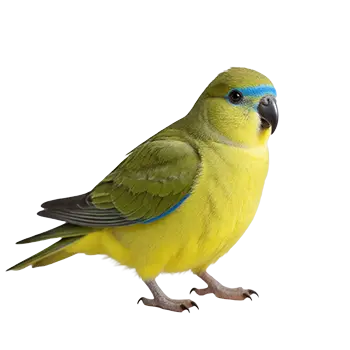
The Rock Parrot is a small grass parakeet native to the coastal dunes, rocky shorelines, and offshore islands of southern Australia. In the wild, Neophema petrophila forages almost exclusively on the ground, picking through low-growing coastal vegetation for grass seeds, saltbush seeds, samphire, and other halophytic plant material. This natural diet is relatively low in fat compared to the diets of larger parrots and is rich in the fibrous seed hulls and trace minerals found in maritime plant communities. Understanding this wild dietary profile is fundamental to making sound product choices in captivity.

Because Rock Parrots are small-bodied birds weighing roughly fifty to sixty grams, their metabolic rate is high relative to their size, and they require consistent access to energy-dense food without the caloric excess that leads to fatty liver disease and obesity. The balance is delicate. A seed mix that would be perfectly appropriate for a budgerigar may be too high in millet and too low in variety for a Rock Parrot, while a pellet formulation designed for medium parrots may deliver individual pieces too large for this species to handle comfortably. Species-appropriate sizing and composition are therefore critical considerations.

Calcium and iodine deserve particular attention. Coastal-dwelling parrots in the wild incidentally consume mineral-rich plant material and may even ingest small amounts of calcium carbonate from shell grit along shorelines. In captivity, these incidental mineral sources disappear, and keepers must replace them deliberately through diet, supplementation, or mineral accessories. Iodine deficiency, which can lead to thyroid enlargement and metabolic disruption, is a well-documented concern in Australian grass parakeets kept on seed-only diets.

Vitamin A availability is another nutritional priority. Seed-based diets are inherently low in vitamin A precursors, and Rock Parrots that do not receive regular fresh vegetables or a quality pellet supplement are vulnerable to deficiency. Symptoms include respiratory infections, dull plumage, and poor skin condition around the cere and feet. A diet that incorporates both formulated pellets and fresh foods rich in beta-carotene addresses this gap without the risks associated with synthetic vitamin A over-supplementation.

What to Look For

Selecting food products for a Rock Parrot begins with understanding that this species does best on a combined diet rather than any single product category alone. The ideal feeding program pairs a high-quality small-bird seed mix or pellet with daily fresh foods, occasional sprouted seeds, and targeted mineral support. When evaluating any packaged food product, the ingredient list is the most reliable indicator of quality. Products that lead with whole, named ingredients such as canary seed, red millet, or oat groats are preferable to those listing vague terms like cereal by-products or plant derivatives.

For seed mixes, look for blends formulated specifically for grass parakeets or Neophema species rather than generic small-bird mixes. Neophema-targeted blends typically feature a higher proportion of canary seed and smaller grass seeds relative to millet, reflecting the natural dietary preferences of these ground-foraging parrots. The seeds should appear clean, dust-free, and free of insect contamination. Packaging with resealable closures or vacuum-sealed bags preserves freshness and reduces the oxidation of seed oils, which can make older stock rancid and nutritionally degraded.

If choosing pellets as a dietary base, size is the first filter. Rock Parrots have small beaks adapted for husking fine grass seeds, and they may reject or struggle with pellets designed for cockatiels or larger species. Look for pellets marketed for budgerigars, finches, or small parakeets. The formulation should be free of artificial colors, as dyed pellets offer no advantage and may introduce unnecessary chemical additives. Naturally colored pellets made from whole-food ingredients tend to produce more consistent acceptance in species that are unfamiliar with processed food.

Freshness dating is an underappreciated factor in food product selection. Both seeds and pellets lose nutritional value over time, particularly fat-soluble vitamins and essential fatty acids. Products with clearly printed manufacture or expiration dates allow keepers to rotate stock effectively. Buying in smaller quantities more frequently, rather than purchasing bulk bags that sit open for months, is a practical strategy for maintaining dietary quality in a household with only one or two small parrots.

Recommended Seed Mixes and Pellet Types

The seed component of a Rock Parrot's diet should be built around small, low-fat grass seeds rather than the sunflower-heavy mixes marketed for larger parrots. Canary seed, Japanese millet, white millet, red panicum, and plain canary grass seed form the core of a suitable blend. Some keepers add small quantities of niger seed, linseed, or perilla seed for their omega-3 fatty acid content, but these oilier seeds should remain a minor fraction of the overall mix to prevent excessive fat intake. A well-balanced Neophema seed blend will typically contain six to ten seed varieties in carefully calibrated proportions.

Pellets offer a more nutritionally complete alternative to seeds, addressing the vitamin and mineral gaps inherent in any seed-based diet. For Rock Parrots, micro-pellets or crumble-style formulations are the most practical choices. These products break down into pieces small enough for the bird to handle naturally, encouraging consumption rather than selective rejection. Cold-pressed pellets tend to retain more heat-sensitive nutrients than extruded varieties, though both manufacturing processes can produce excellent products when the underlying formulation is sound.

A blended approach, offering both seeds and pellets simultaneously or on alternating days, works well for many Rock Parrots and allows the keeper to gradually shift the dietary ratio toward pellets if desired. Some keepers mix micro-pellets directly into the seed bowl, which encourages the bird to sample pellets incidentally while foraging for seeds. Over weeks or months, the proportion of pellets can be increased as the bird develops familiarity with the taste and texture.

Sprouted seeds represent a valuable middle option that combines the palatability of seeds with significantly enhanced nutritional content. The germination process converts stored fats into proteins and increases levels of vitamins A, C, and E. Sprouting mixes designed for small parrots typically include mung beans, quinoa, buckwheat, and a variety of small grass seeds. These can be sprouted at home using simple mason jar or tray methods, though strict hygiene protocols are essential to prevent bacterial and fungal contamination during the warm, moist sprouting period.

Fresh Foods and Foraging Greens

Fresh produce is a critical dietary component for Rock Parrots and should be offered daily alongside the seed or pellet base. Dark leafy greens provide calcium, iron, and beta-carotene in a form that is readily bioavailable to birds. Dandelion greens, endive, kale, bok choy, and romaine lettuce are all well-accepted options, though the specific preferences of individual birds vary. Introducing greens early in life dramatically increases acceptance, but even adult birds that have never eaten fresh food can usually be converted with patience and consistent exposure.

Vegetables beyond leafy greens add important variety. Finely grated carrot, small pieces of bell pepper, broccoli florets, snow peas, and corn on the cob provide a range of vitamins and textures. Rock Parrots are ground foragers by instinct, and many show greater interest in fresh foods presented on the floor of the enclosure or in shallow dishes at low perch height rather than clipped to the cage bars at elevated positions. Mimicking the ground-level foraging experience encourages natural feeding behavior and increases the volume of fresh food consumed.

Seeding grasses are among the most naturalistic and enthusiastically received fresh foods for any Neophema species. Bunches of seeding rye grass, wild oat heads, or shepherd's purse gathered from pesticide-free areas replicate the primary wild food source and stimulate extended foraging activity. Many keepers grow small trays of wheat grass, barley grass, or millet sprays specifically for this purpose, providing a renewable supply of fresh seeding material year-round regardless of outdoor growing conditions.

Fruit should be offered sparingly and in small portions due to its sugar content. Thin slices of apple, small pieces of pear, a few blueberries, or a segment of mandarin can be offered once or twice per week as variety without contributing excessive sugar to the diet. Stone fruit pits and apple seeds should always be removed before offering, and grapes should be washed thoroughly to remove any pesticide residues. The emphasis for Rock Parrots should remain firmly on greens and vegetables, with fruit as an occasional supplement rather than a dietary staple.

Treats and Supplements

Treats for Rock Parrots serve enrichment and training purposes, but the small body size of this species means that treat portions must be correspondingly small to avoid nutritional imbalance. A single spray millet head is the classic treat for grass parakeets, and most Rock Parrots find it irresistible. However, millet is calorie-dense and low in nutritional diversity, so it should be rationed rather than offered freely. Breaking a spray into small segments and offering one segment per day, or reserving millet for training sessions, keeps intake at a healthy level.

Mineral supplements are particularly important for Rock Parrots maintained on seed-based diets. A cuttlebone mounted inside the enclosure provides a self-regulating calcium source that the bird can access at will. Mineral blocks formulated for small parrots offer a broader spectrum of trace minerals including calcium, phosphorus, magnesium, and iodine. Some keepers also provide a small dish of fine-grade oyster shell grit, which serves both as a mineral source and as a grinding aid in the gizzard for birds that consume whole seeds.

Iodine supplementation warrants specific attention for Australian grass parakeets. Iodine blocks designed for cage birds deliver this trace mineral in a controlled-release format. Alternatively, liquid iodine supplements can be added to the water supply at doses specified by an avian veterinarian. Because iodine deficiency can develop gradually and present with vague symptoms such as lethargy and weight gain before progressing to visible thyroid enlargement, preventive supplementation is generally recommended for any Rock Parrot on a diet that does not include iodine-enriched pellets.

Vitamin supplements should be approached conservatively. A Rock Parrot consuming a varied diet of quality seeds or pellets, daily fresh greens, and appropriate mineral support rarely needs a broad-spectrum vitamin supplement. Over-supplementation, particularly of fat-soluble vitamins A and D, can cause toxicity in small birds more quickly than in larger species because of their lower body mass. If a veterinarian identifies a specific deficiency, targeted supplementation is preferable to a shotgun multivitamin approach. Water-soluble vitamin preparations, which the body excretes rather than stores in excess, carry a wider safety margin than oil-based formulations.

Foods to Avoid

Several common foods are toxic to Rock Parrots and must be strictly excluded from the diet. Avocado is the most dangerous, as all parts of the fruit contain persin, a fungicidal toxin that causes respiratory distress, cardiac failure, and death in birds. Because of the small body mass of Rock Parrots, even a tiny amount of avocado can be lethal. Chocolate and any products containing caffeine are similarly toxic, causing cardiac arrhythmia, hyperactivity, and seizures at doses far lower than those that would affect a mammal of equivalent size.

Onion and garlic in all forms, including powdered seasonings, contain thiosulphate and other organosulfur compounds that damage avian red blood cells and can lead to hemolytic anemia. This risk is cumulative, meaning that repeated small exposures are as dangerous as a single large one. Any cooked foods shared with a Rock Parrot must be prepared without these ingredients, and owners should read labels carefully on commercial cooking mixes or prepared foods to ensure neither onion nor garlic powder is present.

High-salt foods are particularly hazardous for small parrots. Rock Parrots have very limited renal capacity for sodium excretion, and even a few bites of salted cracker, chip, or pretzel can overwhelm their kidneys. Fresh foods should be offered without salt, and any cooked grains or legumes prepared for the bird should be cooked in plain water. Processed human snack foods should never be offered, regardless of how eagerly the bird may appear to want them.

Certain plants and seeds also pose risks. Apple seeds, cherry pits, peach stones, and apricot kernels contain amygdalin, which metabolizes into hydrogen cyanide. While a single seed is unlikely to poison a large parrot, the small body weight of a Rock Parrot means the margin of safety is much narrower. Rhubarb leaves contain concentrated oxalic acid, and raw dried beans contain hemagglutinin, both of which are toxic to birds. Lettuce varieties with very high water content and minimal nutritional value, such as iceberg lettuce, are not toxic but offer so little nutrition that they displace more valuable foods from the diet and should be replaced with more nutrient-dense greens.

Feeding Schedule and Portion Control

A consistent feeding schedule supports the metabolic health and behavioral stability of a Rock Parrot. In the wild, these birds forage primarily during the cooler hours of early morning and late afternoon, resting during the heat of midday. A captive feeding routine that offers fresh foods in the morning and replenishes the seed or pellet supply in the late afternoon mirrors this natural rhythm and encourages active feeding behavior during the periods when the bird is most alert and willing to eat.

Portion sizes for a bird weighing fifty to sixty grams must be calibrated carefully. A general guideline is to offer approximately one to one and a half tablespoons of seed mix or pellets per bird per day, adjusted based on the bird's body condition, activity level, and whether it is breeding, molting, or in a maintenance phase. Fresh vegetables and greens can be offered in a small dish or scattered on the cage floor in quantities that the bird can consume within a few hours. Any uneaten fresh food should be removed by midday to prevent bacterial growth, especially in warm environments.

Monitoring food consumption provides important health information. Sudden changes in appetite, either increased or decreased, can signal illness, stress, or hormonal shifts. Keeping a mental note of how much seed is consumed daily and how much fresh food is left uneaten helps establish a baseline against which changes can be detected early. Weighing the bird weekly on a gram-accurate scale is the most reliable way to track whether caloric intake is appropriate, as visual assessment alone can be misleading with small, feathered species.

Water management is an integral part of the feeding routine. Clean, fresh water must be available at all times, and water dishes should be positioned away from food bowls and perches to minimize contamination with droppings, seed hulls, or debris. Some keepers prefer tube-style water dispensers for hygiene reasons, though open dishes allow the bird to bathe as well as drink. If liquid supplements are administered through the drinking water, the water should be changed more frequently to prevent bacterial growth encouraged by the added nutrients, and a second unsupplemented water source should be provided so the bird always has access to plain water.

Always consult a qualified professional before making any health-related decisions. This content is provided for informational reference only and should not replace professional guidance specific to your animal.