
Nutritional Needs

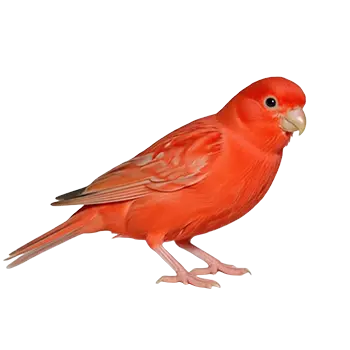
Red Factor Canaries share the baseline nutritional requirements of all domestic canaries — a balanced intake of carbohydrates, proteins, fats, vitamins, and minerals — but they carry an additional dietary demand that sets them apart from every other canary variety. Their signature red to deep orange plumage depends on a steady supply of carotenoid pigments obtained exclusively through food. Without dietary carotenoids, a Red Factor Canary will molt into dull, washed-out feathers regardless of its genetic potential. This makes nutrition not merely a health concern but the single most important factor in the bird's visual presentation.

Protein requirements for canaries are moderate compared to larger hookbills, but they increase meaningfully during the annual molt, breeding season, and juvenile growth. A diet delivering roughly twelve to fifteen percent protein from varied sources supports feather synthesis and muscle maintenance. Egg food, which is a cooked egg-based supplement rather than a raw offering, is the traditional protein boost in canary husbandry and remains one of the most effective options available. During the molt especially, inadequate protein results in thin, brittle feathers that lack the structural integrity needed to display carotenoid pigments properly.

Fat content should be kept relatively low for canaries, which are small-bodied birds prone to hepatic lipidosis when overfed high-fat seeds. Total dietary fat in the range of five to eight percent is appropriate for maintenance, with slight increases acceptable during cold weather or breeding. Flax seed, hemp seed, and small amounts of niger seed provide essential fatty acids without the excessive fat load that sunflower and safflower seeds carry. Balancing fat intake is especially important for Red Factors because obesity can impair liver function, and the liver plays a central role in metabolizing and distributing carotenoid pigments throughout the body.

Calcium and trace minerals round out the nutritional picture. Canaries need consistent calcium for bone density and eggshell formation in breeding hens, and deficiencies can lead to egg binding, a potentially fatal condition. A cuttlebone or mineral block should be available at all times, and grit containing oyster shell fragments provides an additional calcium source while aiding the muscular gizzard in grinding food. Iodine is another trace mineral that deserves attention, as deficiency can cause thyroid enlargement and metabolic disruption. Many quality seed mixes include iodine-enriched conditioning seeds or iodine bells to address this need.

Color Feeding and Carotenoid Products

Color feeding is the practice of providing carotenoid-rich foods and supplements during the molt so that newly growing feathers incorporate red and orange pigments at their maximum intensity. This is not cosmetic manipulation in the way dyeing would be — the pigments are deposited within the feather structure itself during keratin formation, and only genetic Red Factor birds have the metabolic pathway to convert ingested carotenoids into the red pigment that appears in their plumage. A bird without the red factor gene will not turn red regardless of how much carotenoid it consumes.

The two primary carotenoid compounds used in color feeding are canthaxanthin and beta-carotene. Canthaxanthin is the more potent of the two for producing deep red coloration, while beta-carotene contributes warmer orange tones. Commercial color-feeding supplements are available in powder, liquid, and water-soluble forms, and most use canthaxanthin as their active ingredient. These products are typically mixed into soft food or egg food rather than added to drinking water, because carotenoids are fat-soluble and absorb more efficiently when consumed alongside dietary fats.

Timing is critical. Color feeding must begin before or at the very start of the molt and continue consistently until all new feathers have fully grown in, a process that typically spans six to eight weeks. Starting too late means the first wave of new feathers will grow in pale, and because feathers are dead structures once fully formed, they cannot be re-colored without being molted out again. Many experienced breeders begin offering carotenoid-rich foods year-round at a lower concentration and then increase the dose to full color-feeding levels when the molt begins, ensuring the bird's system is already primed.

Natural food sources also contribute meaningfully to color intensity. Grated carrots, red bell peppers, sweet potatoes, beets, and dark leafy greens like dandelion leaves all contain carotenoids that supplement commercial color food. Spirulina, a blue-green algae available in powder form, is another popular natural source among canary breeders. While natural sources alone may not produce the same depth of color as concentrated supplements, they provide a broader spectrum of carotenoids and additional vitamins that support overall health during the demanding molt period.

Seed Mixes and Pellet Options

The traditional canary diet is built on a foundation of seed, and despite advances in pelleted diets, most canary keepers and breeders continue to use high-quality seed mixes as the dietary staple. A good canary seed mix centers on canary grass seed, which is the small, elongated tan seed that has been the cornerstone of canary nutrition for centuries. This should be supplemented with smaller proportions of rape seed, niger seed, flax seed, hemp seed, and oat groats. The best commercial mixes use fresh, clean seed free of dust, debris, and moth contamination, and they maintain a consistent ratio between ingredients.

When evaluating seed mixes, the freshness of the seed matters as much as the blend composition. Stale seed loses nutritional value as the oils within the kernel oxidize, and rancid seed can cause digestive upset and liver stress. Seeds should have a slight sheen and a clean, mild smell. Any mix that appears dusty, smells musty, or contains visible insect webbing should be discarded. Buying from suppliers with high turnover and storing seed in airtight containers in a cool, dry location extends usable shelf life significantly.

Pelleted diets formulated for canaries and finches offer a more nutritionally complete alternative to seed, eliminating the selective feeding behavior that leads many seed-fed canaries to pick out their favorites and ignore the rest. Small-bird pellets are typically extruded or cold-pressed into tiny granules appropriate for a canary's small beak. Converting a seed-accustomed canary to pellets requires patience, as many birds resist the change initially. A gradual transition over several weeks, mixing increasing proportions of pellets into the seed, is more successful than an abrupt switch.

For Red Factor Canaries specifically, some manufacturers offer pellets that include carotenoid pigments in the formulation, providing a baseline level of color support without the need for separate supplementation. These color-enhanced pellets can simplify daily feeding during non-molt periods, though most serious breeders still add concentrated color food during the active molt for maximum pigment deposition. Whether using seed, pellets, or a combination, the key principle is that the base diet must be nutritionally complete so that color-feeding supplements enhance appearance without masking nutritional gaps.

Egg Food and Soft Food Supplements

Egg food is one of the most important supplemental foods in canary husbandry, and its role becomes even more significant for Red Factor Canaries because it serves as an ideal vehicle for delivering carotenoid color supplements. Commercial egg food products are dry, crumbly mixes based on baked or dehydrated egg combined with breadcrumbs, grain flours, and sometimes honey or other binders. When moistened slightly, they become a soft, palatable food that canaries consume eagerly. Many breeders prepare homemade egg food by mixing hard-boiled egg, crushed with the shell included for calcium, with fine breadcrumbs or crushed dry biscuit.

The nutritional value of egg food extends beyond its protein content. Eggs are a complete protein source containing all essential amino acids, and the yolk provides fat-soluble vitamins A, D, E, and K along with choline and lecithin. During breeding season and the molt, egg food should be offered daily in quantities the birds will consume within a few hours, as it spoils rapidly at room temperature. Any uneaten egg food should be removed by midday in warm weather to prevent bacterial growth. In cooler conditions, it can remain available somewhat longer, but same-day removal is always prudent.

Beyond egg food, other soft food options enrich the canary's diet. Soaked or sprouted seeds are an excellent transitional food between dry seed and fresh vegetables. Soaking canary seed, rape seed, and mung beans overnight and rinsing them thoroughly transforms the nutritional profile, reducing fat content while increasing vitamin levels and enzymatic activity. Sprouted seeds are particularly valuable during breeding, as parent birds use them to feed chicks. Hygiene during the sprouting process is essential — seeds must be rinsed multiple times daily and discarded at the first sign of sour smell or mold.

Greens and vegetables should be offered regularly alongside seed and egg food. Broccoli florets, grated carrot, romaine lettuce, endive, chickweed, and dandelion greens are all safe and nutritious options for canaries. For Red Factor birds, the orange and red vegetables do double duty, providing nutrition and supplementary carotenoids. Introduce new vegetables gradually, as some canaries are initially suspicious of unfamiliar foods. Clipping greens to the cage bars at beak height encourages investigation and consumption.

Supplements and Conditioning Products

Beyond the core diet and color-feeding products, several categories of supplements support the health and vitality of Red Factor Canaries. Vitamin and mineral supplements formulated for cage birds are available as water-soluble powders or liquid concentrates that can be added to the drinking water or mixed into soft food. These typically provide vitamins A, D3, E, and B-complex along with trace minerals. For birds on a varied diet of seed, pellets, egg food, and fresh vegetables, daily multivitamin supplementation is usually unnecessary, but periodic use during high-stress periods such as the molt, breeding, and recovery from illness can provide a helpful nutritional safety net.

Song food is a category of conditioning supplement unique to canary keeping. These products are seed-based blends enriched with vitamins, minerals, and sometimes stimulant herbs like thistle and sesame that are traditionally believed to encourage vocal activity. While the scientific evidence for song-stimulating ingredients is limited, many of these mixes contain niger seed, linseed, and hemp seed in proportions that provide excellent conditioning nutrition regardless of any effect on singing. For Red Factor males kept partly for their vocal qualities, song food can be a useful supplemental offering during the singing season.

Probiotics and digestive aids designed for cage birds address gut health, which is particularly relevant during dietary transitions, antibiotic treatment, or periods of stress. Products containing Lactobacillus and other beneficial bacterial strains help maintain a healthy crop and intestinal flora. Some breeders add apple cider vinegar to the drinking water at a very dilute concentration as a traditional conditioning tonic, though this practice should not be considered a substitute for veterinary-grade probiotic products when genuine digestive support is needed.

Iodine supplementation deserves specific mention for canaries. Iodine deficiency is more common in seed-fed canaries than in many other pet birds, and it can lead to thyroid enlargement, lethargy, and poor feather quality. Iodine blocks or bells designed to hang in the cage allow the bird to self-regulate its intake. Alternatively, liquid iodine supplements can be added to drinking water on a scheduled rotation. Either approach prevents the gradual onset of deficiency that often goes unnoticed until physical symptoms appear.

Foods to Avoid

Red Factor Canaries are small birds with high metabolic rates, which means toxic substances affect them rapidly and at much lower doses than would harm larger parrots. Avocado is lethal to canaries even in tiny amounts. The persin compound present throughout the fruit causes acute respiratory distress and cardiac failure, and there is no effective treatment once symptoms appear. This includes all parts of the fruit and the plant itself, which should never be placed near bird cages.

Chocolate and caffeine are equally dangerous. The theobromine in chocolate and the caffeine in coffee, tea, and many soft drinks cause hyperexcitability, cardiac arrhythmia, and seizures in birds. Given the canary's small body mass, even trace amounts from a shared snack can reach toxic concentrations quickly. Alcohol, similarly, causes rapid organ failure in birds and must never be accessible, whether as an unattended drink or as a cooking ingredient in food shared with the bird.

Several common kitchen foods present more subtle risks. Onions and garlic contain thiosulphate compounds that damage avian red blood cells, and chronic exposure leads to hemolytic anemia. Fruit seeds and pits from apples, cherries, plums, and peaches contain cyanogenic glycosides that release hydrogen cyanide during digestion. While a single apple seed is unlikely to kill a canary, the risk is easily eliminated by removing all seeds and pits before offering fruit. Raw, uncooked dried beans contain hemagglutinin, a toxic lectin destroyed by thorough cooking but dangerous if consumed in dried form.

Beyond outright toxins, excessively fatty, salty, or sugary human foods should be kept away from canaries. Processed snack foods, fried items, and heavily salted foods overwhelm the bird's kidneys and liver. Sugary foods encourage yeast overgrowth and contribute to obesity. Lettuce varieties with minimal nutritional value, such as iceberg, are not toxic but fill the bird up without providing meaningful nutrition and can cause loose droppings if fed in excess. Stick to nutrient-dense greens like dandelion, kale, and endive instead.

Feeding Schedule and Best Practices

Canaries are early-morning feeders by nature, and aligning the feeding routine with this instinct supports both health and behavioral contentment. Fresh seed or pellets should be available from first light, and many experienced keepers blow the empty hulls from the seed dish each morning before topping it off, since canaries leave behind lightweight husks that can make a full dish appear untouched. Alternatively, using a dish design with a built-in hull separator or simply refreshing the entire contents daily ensures the bird always has access to actual seed rather than empty shells.

Egg food and other perishable soft foods should be offered in a separate dish during the morning and removed within three to four hours, or sooner in warm ambient temperatures. This prevents spoilage and bacterial proliferation while still giving the bird ample time to eat its fill. During the molt and breeding season, a second small serving in the late afternoon can provide extra nutritional support when metabolic demands are highest. Color food supplements mixed into the egg food should follow the same schedule, ensuring consistent carotenoid intake during feather growth.

Fresh water must be available at all times and changed at least once daily, more often if the bird bathes in its water dish or if supplements have been added. Water tubes or covered drinkers reduce contamination from seed husks, droppings, and feather dust compared to open dishes. If water-soluble vitamins or supplements are being used, they should be mixed fresh each morning, as many vitamins degrade rapidly in solution, especially when exposed to light.

Portioning is less precise for canaries than for larger parrots because canaries have extremely high metabolic rates relative to their body size and rarely overeat on seed alone. A general guideline is one to two teaspoons of seed mix per bird per day, adjusted based on consumption patterns and body condition. The bird's keel bone, which runs along the center of the breast, is the best indicator of weight status — it should be palpable but not sharply prominent. If the keel feels buried under flesh, reduce fatty seeds and increase greens. If it feels knife-sharp, increase caloric density and evaluate for illness. Regular observation of food consumption, droppings, and body condition is the simplest and most reliable monitoring strategy available.

Always consult a qualified professional before making any health-related decisions. This content is provided for informational reference only and should not replace professional guidance specific to your animal.