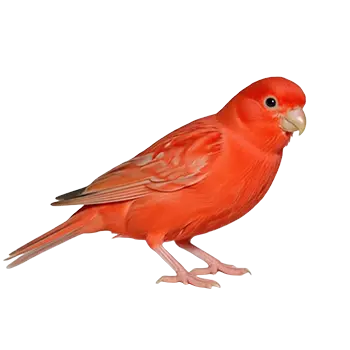

Essential Accessories Overview

The accessories that surround a Red Factor Canary's daily life may seem like minor purchases compared to the cage itself or a premium seed blend, but they collectively shape the bird's comfort, health, and the owner's ability to provide consistent care. The right feeding dishes prevent waste and contamination, the right water system ensures hydration without bacterial buildup, and the right lighting setup supports the natural photoperiod cycles that govern molting, singing, and overall hormonal balance. Each accessory solves a specific practical problem, and selecting quality items from the start prevents the frustrating cycle of replacing cheap products that fail or prove inadequate.

For Red Factor Canaries specifically, a few accessory categories carry extra weight. Lighting products matter more than they do for plain-colored canaries because light quality and duration directly influence the molt cycle and, by extension, the annual window during which color feeding produces its results. Grooming tools must be appropriately scaled for a bird that weighs less than an ounce and has proportionally delicate feet, beak, and feathers. Travel carriers need to be sized for finch-type birds rather than parrots, which dominate the carrier market.

This section covers the full range of accessories a Red Factor Canary keeper needs, from the items that go inside the cage every day to the specialized tools used periodically for grooming, health checks, and transport. The focus is on what works, what to avoid, and why certain design features matter more than marketing claims. A well-accessorized canary setup is not about accumulating products — it is about having the right tool for each task so that daily care is efficient, thorough, and stress-free for both the bird and the keeper.

New canary owners in particular benefit from assembling a complete accessory kit before bringing the bird home. Scrambling for a nail trimmer during a veterinary emergency or realizing the seed dish does not fit the cage bars after the bird is already inside creates unnecessary stress. Planning the accessory inventory alongside the cage and food selection ensures a smooth start to the relationship.

Feeding Dishes and Seed Dispensers

Canary feeding dishes come in two broad categories: open cup-style dishes that hook onto the cage bars, and enclosed seed dispensers that meter out seed as the bird consumes it. Each has advantages that suit different keeping situations, and many experienced canary owners use both types simultaneously for different food items. Open dishes are best for soft foods like egg food, chopped vegetables, and sprouted seeds because they allow the bird to see and access the food easily and they permit the keeper to monitor exactly how much has been consumed. Enclosed dispensers are better suited to dry seed, which stays cleaner and lasts longer when protected from droppings and feather dust.

The material of the dish affects hygiene and durability. Stainless steel cups are the veterinary-recommended choice because they resist bacterial adhesion, tolerate boiling water and dishwasher sterilization, and last indefinitely without cracking, staining, or absorbing odors. Ceramic dishes are a reasonable alternative — heavy enough to resist tipping and available in attractive designs — but they must be inspected for glazing cracks that can harbor bacteria. Plastic dishes are the least expensive option and the most common in cage starter kits, but they scratch easily, and scratched plastic surfaces accumulate biofilm that is difficult to remove completely even with thorough scrubbing.

Seed dispensers designed for canaries typically feature a hopper that funnels seed downward into a small trough as the bird eats. The best designs have a removable cover for easy refilling, a clear hopper body that lets the keeper check seed level at a glance, and a trough wide enough for the bird to perch comfortably while feeding. One important detail to verify is that the dispenser is truly functional — some inexpensive models jam when certain seed shapes bridge across the hopper neck, cutting off the bird's food supply without any visible indication from outside the cage.

For Red Factor Canaries undergoing color feeding, having dedicated dishes for color-supplemented soft food simplifies daily preparation and cleanup. Designating one specific dish for egg food mixed with color supplements prevents cross-contamination with plain seed and ensures the keeper can visually confirm that the bird is consuming the color food. Small, shallow ceramic ramekins work well for this purpose and can be easily washed and dried between uses.

Water Systems

Clean drinking water is the most basic element of canary care, yet the method of delivery significantly affects water quality and the bird's health. Open water dishes are simple and familiar to every bird, but they are also the most vulnerable to contamination. Canaries frequently bathe in their water dishes, drop seed hulls into them, and perch on the rim, introducing droppings directly into the drinking supply. In warm rooms, bacteria multiply rapidly in contaminated water, and a bird drinking from a fouled dish can develop crop infections and gastrointestinal illness within days.

Tube-style water bottles, also called vacuum drinkers, are the standard solution for maintaining water hygiene in canary cages. These bottles consist of a reservoir that mounts on the outside of the cage with a small drinking spout protruding through the bars at perch height. The vacuum seal keeps water inside the bottle until the bird drinks from the spout, preventing contamination from droppings, food debris, and bathing. The reservoir should be transparent so the keeper can monitor water level and check for algae growth, and it should be sized appropriately — a four-to-eight-ounce bottle is adequate for a single canary and ensures a fresh supply even if the keeper misses a day.

Maintaining any water delivery system requires daily attention. Water should be changed every day regardless of whether the container appears clean, because bacterial counts invisible to the eye can reach problematic levels within twenty-four hours, especially in warm environments. Tubes and bottles should be scrubbed with a narrow bottle brush at least weekly to remove biofilm from the interior walls, and the drinking spout should be checked for blockages caused by seed husks or algae. A dilute white vinegar rinse followed by thorough flushing with clean water is an effective weekly sanitization method.

When adding water-soluble vitamins or supplements, open dishes are actually preferable to tube bottles because the supplements can clog the narrow spout and promote bacterial growth inside the sealed bottle. If supplements must be administered through water, prepare the solution fresh each morning, use an open dish for that day, and discard any remaining solution by late afternoon. This prevents the bird from drinking degraded supplement solution overnight and keeps the tube bottle reserved for clean, unadulterated water during non-supplementation periods.

Cage Covers and Lighting

Cage covers serve a practical purpose far beyond simple darkness. A properly fitted cover creates a quiet, draft-free microenvironment that promotes restful sleep, reduces startle responses from household activity after dark, and establishes a consistent photoperiod that regulates the canary's hormonal cycles. Red Factor Canaries benefit particularly from predictable light-dark cycles because the timing of their annual molt — the period critical for color feeding — is triggered by changes in day length. Erratic lighting patterns caused by variable bedtimes, screen glow, and late-night household activity can delay, extend, or fragment the molt, undermining the color-feeding effort.

Cover material should be opaque enough to block light effectively while remaining breathable enough to allow adequate airflow. Tightly woven cotton or polyester-cotton blends work well. Avoid heavy fabrics like denim or fleece that can trap heat and humidity underneath, especially in warmer climates. The cover should drape fully over the cage without touching the bird's perches or food dishes, and it should fit closely enough that it does not shift or fall if brushed by a passing person or pet. Many keepers sew custom covers to match their cage dimensions, while commercially available covers in standard sizes accommodate the most common cage shapes.

Artificial lighting plays an increasingly recognized role in canary husbandry, particularly for birds kept in rooms with limited natural light. Full-spectrum lighting that includes ultraviolet wavelengths in the UVA and UVB range allows birds to see their food, environment, and companions as nature intended — avian vision extends into the ultraviolet spectrum, and standard incandescent or LED bulbs that lack UV output present the bird with a visually impoverished world. Full-spectrum avian bulbs mounted above or beside the cage provide a more natural light experience and support vitamin D3 synthesis in the skin, which aids calcium metabolism.

Lighting timers automate the photoperiod, ensuring the bird receives twelve to fourteen hours of light during the long days of summer and eight to ten hours during winter. This simulated seasonal variation triggers natural biological rhythms including molt onset, singing intensity, and breeding readiness. For Red Factor keepers, a timer-controlled light schedule removes guesswork from molt prediction, allowing them to prepare color-feeding supplies and begin supplementation at exactly the right time. The investment in a reliable programmable timer and a quality full-spectrum bulb pays dividends in predictable molt cycles and vibrant annual plumage renewal.

Grooming and Health Supplies

Canaries require minimal hands-on grooming compared to parrots, but a few essential tools and supplies should be in every keeper's inventory for the occasions when intervention is needed. Nail trimming is the most common grooming task. Canary nails grow continuously and can become overgrown if the bird's perches do not provide enough natural wear, leading to nails that catch on cage bars, fabric, and perch surfaces and causing toe injuries. A pair of small, sharp nail scissors or a dedicated bird nail clipper sized for finches allows the keeper to trim just the transparent tip of each nail without cutting into the vascular quick.

Styptic powder or a styptic pencil is a non-negotiable companion to nail trimming. Even experienced keepers occasionally nick the quick, which bleeds freely in birds due to their high blood pressure. Styptic powder applied to the cut nail tip causes immediate vasoconstriction and clotting, stopping the bleeding within seconds. Cornstarch can serve as an emergency substitute if styptic powder is not available, but it is less effective and slower acting. Having styptic powder on hand before the first nail trim is critical — searching for it while a bird bleeds creates dangerous delay.

A small, high-quality digital scale accurate to one gram is one of the most valuable health-monitoring tools a canary keeper can own. Weighing the bird daily or at least weekly provides the earliest warning of illness, as weight loss is often the first detectable sign of disease in birds. A healthy Red Factor Canary typically weighs between eighteen and twenty-five grams depending on the individual, and a drop of more than two grams over a short period warrants veterinary attention even if the bird appears otherwise normal. Recording weights in a simple log allows trend tracking that reveals gradual changes invisible to casual observation.

A basic first-aid kit assembled for avian use should include antiseptic solution safe for birds, sterile gauze, adhesive tape, a small towel for restraint, and an emergency heat source such as a small heating pad or heat lamp. Avian emergencies can deteriorate rapidly due to the bird's high metabolic rate, and having supplies immediately available can buy critical time while arranging veterinary care. The kit should also include the contact information for the nearest avian veterinarian and an after-hours emergency bird clinic, as general-practice veterinarians may lack the specialized knowledge to treat canary-specific conditions.

Travel Carriers and Transport

Every canary owner will eventually need to transport their bird, whether for a veterinary visit, a household move, or temporary relocation during home renovations. A dedicated travel carrier designed for small birds makes these trips safer and less stressful for both the bird and the owner. Canaries should never be transported in their regular cage, which is too large to secure safely in a vehicle, offers excessive open surface area that exposes the bird to drafts and visual stimulation, and can spill food and water during movement.

Small-bird travel carriers are compact enclosures, typically measuring twelve to fourteen inches long, with solid walls on three sides and a barred or ventilated front panel. This design limits the bird's visual field, reducing startle responses from passing vehicles, unfamiliar environments, and the general chaos of travel. The solid walls also block drafts, which is especially important during cold-weather transport. A single low perch inside the carrier gives the bird a place to grip during vehicle motion, which is far more comfortable and secure than sliding around on a flat floor.

Cardboard transport boxes sold by pet stores and breeders are an inexpensive alternative for short trips. These single-use boxes are darkened enclosures with small ventilation holes that keep the bird calm through sensory reduction. They are adequate for a brief trip to the veterinarian but are not suitable for extended transport because they lack perching, cannot hold food or water, and deteriorate if the bird urinates or defecates on the floor. For keepers who transport birds regularly — to shows, to a breeder for mating, or between seasonal residences — investing in a washable, reusable hard-sided carrier is far more practical.

During transport, temperature regulation is the primary safety concern. Cars heat up rapidly in direct sunlight even in moderate weather, and a canary can suffer heat stroke within minutes in a closed vehicle. In cold weather, the carrier should be wrapped in a towel or placed inside an insulated bag for the walk between building and car. Never place a carrier in the trunk, where ventilation is poor and temperature extremes are amplified. The carrier should ride on the back seat floor, where it is stable and shielded from direct sun, with the vehicle's climate control set to maintain a temperature range of sixty-five to seventy-five degrees Fahrenheit.

Cleaning and Maintenance Products

Maintaining a hygienic cage environment requires more than soap and water, though those two basics handle the majority of daily and weekly cleaning. The market for bird-specific cleaning products has expanded considerably, and understanding which products are genuinely useful and which are redundant helps keepers invest wisely. The essential cleaning toolkit for a canary cage includes a mild, fragrance-free dish soap for daily washing of food and water dishes, a bottle brush sized for water tubes, a stiff-bristled small brush for scrubbing perches, a handheld vacuum or dustpan for feather and seed debris, and a bird-safe disinfectant for periodic deep cleaning.

Bird-safe disinfectants are formulated to kill bacteria, fungi, and viruses without leaving residues that are toxic to avian respiratory systems. The most widely recommended veterinary-grade options use accelerated hydrogen peroxide or quaternary ammonium compounds at bird-safe concentrations. These products are sprayed or wiped onto surfaces after the initial soap-and-water wash, left to sit for the manufacturer's recommended contact time, and then rinsed thoroughly. The dual-step process — wash first to remove organic matter, then disinfect to kill pathogens — is more effective than either step alone.

Certain household cleaners must be strictly avoided around birds. Bleach, while an effective disinfectant, produces fumes that irritate avian lungs and must only be used in well-ventilated areas with the bird removed to a separate, closed room. Ammonia-based cleaners are similarly hazardous. Aerosol sprays of any kind — air fresheners, furniture polish, oven cleaners — disperse fine chemical particles that a bird's highly efficient respiratory system absorbs at far greater rates than a human lung would. Even products marketed as natural or plant-based can contain essential oils like tea tree, eucalyptus, or peppermint that are toxic to birds at inhaled concentrations.

Cage liner products simplify daily floor maintenance. Pre-cut paper liners sized for common cage trays allow quick swap-outs without the folding and trimming that plain newspaper requires. Some liners incorporate a thin absorbent layer that wicks moisture away from droppings, reducing odor and bacterial growth between changes. Grit-coated cage liners, once common, have fallen out of recommendation because the grit surface is abrasive to the feet of floor-walking birds and because loose grit can be ingested in excessive quantities. Plain paper or absorbent liners without grit are the current best practice for cage floor management.

Always consult a qualified professional before making any health-related decisions. This content is provided for informational reference only and should not replace professional guidance specific to your animal.