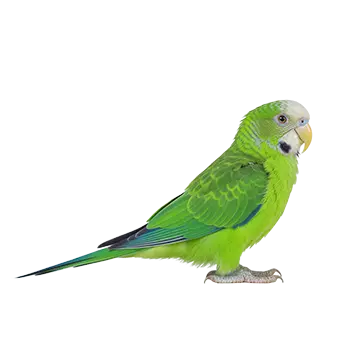

Quaker Parrots are among the most playful and industrious parrots kept in captivity. Their wild behavior revolves around nest construction — gathering, weaving, and arranging sticks into elaborate communal structures — and this drive translates directly into a captive bird that needs to manipulate, shred, and rearrange objects constantly. A Quaker without adequate enrichment will redirect that energy into destructive behavior, excessive screaming, or feather plucking.
These birds are confident and physical in their play. They grab, shake, fling, and demolish toys with an intensity that surprises first-time owners familiar with smaller parakeets. A toy that lasts a cockatiel months may survive days with a determined Quaker. This is normal and healthy — destruction is the point, not a flaw in the product. Budget accordingly and view destroyed toys as evidence of successful enrichment rather than wasted money.
Quaker Parrots are also highly social players. They often prefer toys they can interact with alongside their human flock, and many Quakers develop favorite games like peekaboo, fetch with small objects, or tug-of-war with rope toys. Understanding your individual bird's play preferences helps you select toys that will actually see use rather than sitting ignored in the cage.
Rotation is essential with any parrot but especially important with Quakers, whose intelligence means they bore quickly with familiar objects. Maintain a collection of toys and swap three or four into the cage every two to three weeks, keeping the rest stored away. When an old favorite reappears, it often generates the same excitement as a brand-new toy.