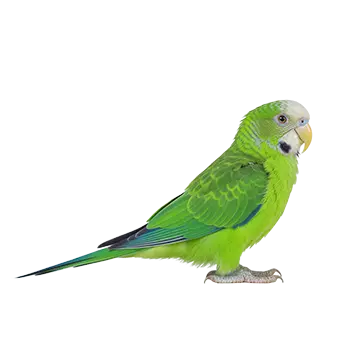

Nutritional Needs

Quaker Parrots are energetic, medium-sized parakeets with metabolisms that demand a well-rounded diet. In the wild, they forage on seeds, grains, fruits, berries, and leafy vegetation, which means their captive diet should reflect that variety rather than relying on a single food source. A balanced approach built around high-quality pellets supplemented with fresh produce and limited seeds is the foundation most avian veterinarians recommend.

Protein requirements for Quaker Parrots sit in the range of 12 to 14 percent of total diet, with fat content ideally kept below 5 percent for adult birds that are not breeding. These parrots are particularly prone to fatty liver disease, so monitoring fat intake is more critical here than with many other parrot species. Calcium and vitamin A are two nutrients that frequently run low in seed-heavy diets, and deficiencies in either can lead to serious health consequences over time.

Because Quaker Parrots are such enthusiastic eaters, portion control matters. An adult Quaker typically consumes around 30 to 40 grams of food daily, though this varies with activity level, ambient temperature, and whether the bird is molting or breeding. Weighing your bird regularly and adjusting portions accordingly prevents the gradual weight gain that these parrots are prone to.

Fresh water should always be available, and water dishes or bottles need daily cleaning. Quaker Parrots often dunk food in their water, which accelerates bacterial growth and makes frequent water changes essential rather than optional.

What to Look For

When evaluating pellet formulas, the ingredient list tells you more than the marketing on the front of the bag. Look for pellets where whole grains, vegetables, or legumes appear in the first few ingredients rather than fillers like corn gluten meal or sugar. Artificial colors and flavors are unnecessary and some avian nutritionists suspect they may contribute to behavioral issues in sensitive birds, so naturally colored pellets are generally the better choice.

Pellet size matters for Quaker Parrots. They are strong chewers for their size and handle small-to-medium pellets well, but oversized pellets designed for macaws or cockatoos can lead to excessive waste and selective eating. Some manufacturers produce parrot-specific pellet sizes in the conure-to-small-parrot range that work perfectly for Quakers.

For seed mixes used as supplemental feeding, examine the composition carefully. A quality mix for a Quaker Parrot should include a variety of small seeds like millet, canary grass seed, and small amounts of safflower, without an overabundance of sunflower seeds. Sunflower seeds are high in fat and most parrots will pick them out first, which defeats the purpose of offering a balanced mix.

Shelf life and storage also deserve attention. Pellets and seed mixes lose nutritional value over time, and improperly stored food can develop mold or attract pantry pests. Buy quantities your bird will consume within four to six weeks and store food in airtight containers in a cool, dry location away from direct sunlight.

Recommended Pellet Formulas

Pellets should form approximately 60 to 70 percent of a Quaker Parrot's daily diet. This ensures the bird receives consistent baseline nutrition regardless of how selectively it eats its fresh foods on any given day. Organic and naturally formulated pellets tend to have simpler ingredient lists, and many experienced Quaker owners report better acceptance of naturally colored options compared to brightly dyed varieties.

Converting a seed-addicted Quaker Parrot to pellets requires patience and a gradual transition strategy. Start by mixing a small proportion of pellets into the existing seed mix, then slowly increase the pellet ratio over several weeks. Some owners find that slightly moistening pellets with warm water or a splash of fruit juice during the transition period increases acceptance, though any moistened food should be removed after a couple of hours to prevent spoilage.

Formulas designed specifically for small-to-medium parrots generally offer the best nutrient profile for Quakers. All-purpose parrot pellets can work but may contain higher fat levels intended for larger species with different metabolic needs. If your bird is breeding or recovering from illness, a higher-protein formula may be appropriate temporarily, but consult with an avian veterinarian before making significant dietary changes.

Watch for signs that a pellet formula agrees with your bird, including consistent droppings, healthy feather condition, stable weight, and good energy levels. If you notice changes in droppings or feather quality after switching formulas, it may be worth trying a different product rather than assuming all pellets are interchangeable.

Fresh Foods & Produce

Fresh fruits and vegetables should make up roughly 20 to 30 percent of a Quaker Parrot's diet and provide essential vitamins, minerals, and dietary variety that pellets alone cannot replicate. Dark leafy greens like kale, Swiss chard, dandelion greens, and collard greens are excellent staples rich in calcium and vitamin A precursors. Rotating greens throughout the week prevents boredom and ensures a broader nutrient profile.

Vegetables like carrots, sweet potatoes, bell peppers, broccoli, and snap peas are well-accepted by most Quaker Parrots and offer substantial nutritional value. Cooking or lightly steaming harder vegetables like sweet potato and carrot can improve digestibility and make nutrients more bioavailable, though many Quakers also enjoy gnawing on raw pieces as an enrichment activity.

Fruits should be offered in moderation due to their sugar content — think of them as treats rather than dietary staples. Berries, apple slices, grapes, mango, and papaya are popular choices. Remove seeds and pits from fruits like apples and cherries before offering them, as some contain compounds that are harmful to birds. Citrus fruits can be offered occasionally but some Quakers find them too acidic.

Introducing new foods to a Quaker Parrot sometimes requires creative presentation. Try offering vegetables chopped finely and mixed into a warm grain mixture, threading leafy greens through cage bars as a foraging challenge, or eating the food yourself in front of the bird. Quaker Parrots are social eaters and often become curious about foods they see their flock members enjoying.

Treats & Supplements

Treats serve dual purposes in a Quaker Parrot's life — they provide dietary variety and function as powerful training and bonding tools. Nutrient-dense treat options include small pieces of unsalted nuts like almonds, walnuts, and pine nuts, offered sparingly due to their high fat content. A single almond or walnut half per day is plenty for a Quaker Parrot and makes an effective reward during training sessions.

Seed-based treat sticks and bars can be offered occasionally but should not become a daily habit. Many commercial treat sticks are bound together with honey or sugar syrups that add unnecessary calories. If you enjoy offering these products, look for versions with minimal added sweeteners and break them into smaller portions rather than leaving an entire stick in the cage.

Calcium supplementation is important for Quaker Parrots, particularly for hens who may lay eggs even without a mate. A cuttlebone or mineral block should be available in the cage at all times, and some owners also provide a small dish of crushed eggshell or calcium powder sprinkled over soft foods. Vitamin supplements added to water are generally less effective than those offered through food, since they can alter the taste of water and reduce overall fluid intake.

Probiotics formulated for birds can support digestive health, especially during times of stress such as veterinary visits, changes in environment, or antibiotic treatment. Powdered formulas that mix into soft foods tend to deliver more consistent dosing than water-soluble versions. Always choose supplements specifically formulated for avian species rather than repurposing products designed for mammals.

Foods to Avoid

Several common foods are toxic or harmful to Quaker Parrots, and every member of the household should be aware of the list. Avocado tops the danger list — all parts of the avocado plant, including the flesh, contain persin, which can cause cardiac distress and death in birds. Chocolate and caffeine are similarly dangerous, and even small amounts can be lethal to a bird this size.

Onions and garlic contain compounds that can damage red blood cells in birds, leading to anemia with repeated exposure. While a tiny accidental nibble is unlikely to cause immediate harm, these foods should never be intentionally offered. Similarly, raw dried beans contain hemagglutinin, a toxin that is destroyed by thorough cooking but dangerous in its uncooked form.

High-salt and high-sugar processed foods designed for humans have no place in a parrot's diet. Crackers, chips, bread, pasta, and similar items are sometimes offered as treats by well-meaning owners, but they provide empty calories and can contribute to the fatty liver disease that Quaker Parrots are already predisposed to. If you want to share mealtime with your bird, offer a piece of plain steamed vegetable instead.

Fruit seeds and pits from apples, cherries, peaches, and apricots contain trace amounts of cyanogenic compounds and should always be removed before offering the fruit. Rhubarb leaves are toxic, and mushrooms should be avoided since some varieties are harmful and it is difficult to guarantee safety across all types. When in doubt about any food item, err on the side of caution and skip it.

Feeding Schedule

Establishing a consistent feeding routine helps regulate a Quaker Parrot's metabolism and makes it easier to monitor food intake for early signs of illness. Most avian nutritionists recommend offering the main pellet portion in the morning when the bird is most active and hungry, with fresh foods provided in a separate dish mid-morning or early afternoon.

Remove uneaten fresh foods within three to four hours to prevent bacterial growth, especially in warmer environments. Pellets can remain available throughout the day since they do not spoil as quickly, though some owners prefer measured portions over free-feeding to prevent overeating. A small evening offering of a few seeds or a nut can serve as an end-of-day treat and help establish a comfortable bedtime routine.

Quaker Parrots are creatures of habit and often resist sudden changes to their feeding schedule. If you need to adjust timing — for example, when clocks change seasonally or your own schedule shifts — do so gradually over the course of a week rather than abruptly. Sudden changes in routine can cause stress that manifests as feather plucking or reduced appetite.

Monitoring food consumption daily gives you valuable health data. A Quaker Parrot that suddenly stops eating or dramatically changes its food preferences may be unwell, and reduced appetite is often one of the earliest signs of illness in parrots. Weigh your bird weekly on a gram scale and keep a simple log — a loss of more than 10 percent of body weight warrants a prompt veterinary visit.

Always consult a qualified professional before making any health-related decisions. This content is provided for informational reference only and should not replace professional guidance specific to your animal.