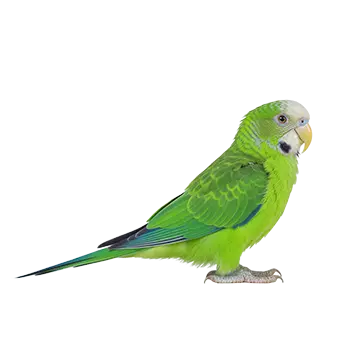

Space Requirements

Quaker Parrots are active, athletic birds that need considerably more space than their compact size might suggest. The minimum recommended cage dimensions for a single Quaker Parrot are 24 inches wide by 24 inches deep by 24 inches tall, but most experienced owners and avian veterinarians advise going significantly larger — ideally 30 by 24 by 36 inches or more. Quakers are horizontal flyers and climbers, so width and depth matter just as much as height.

Bar spacing is a critical safety factor that cannot be overlooked. For Quaker Parrots, bar spacing should be no wider than 5/8 inch to 3/4 inch. Wider spacing creates a risk of the bird getting its head stuck between bars, which can result in injury or death. Horizontal bars on at least two sides of the cage give the bird climbing surfaces, which Quakers use constantly and enthusiastically.

Beyond the cage itself, Quaker Parrots benefit from a designated out-of-cage play area. A tabletop play stand or a hanging play gym positioned near the family's main living area satisfies the bird's social needs while providing exercise and enrichment opportunities that even the largest cage cannot fully replicate. Plan for a minimum of two to four hours of supervised out-of-cage time daily.

Cage placement within the home affects the bird's well-being significantly. Position the cage in a room where the family spends time regularly — Quakers are deeply social and become depressed or develop behavioral problems when isolated. Avoid placing the cage in direct sunlight, in drafty areas near exterior doors or vents, or in the kitchen where cooking fumes, particularly from overheated nonstick cookware, pose a serious respiratory hazard.

Cage Types & Construction

Powder-coated steel and stainless steel are the two primary cage material options for Quaker Parrots. Stainless steel cages carry a higher upfront cost but offer superior durability, easier cleaning, and zero risk of chipping paint. Powder-coated cages are more affordable and perfectly safe when the coating is intact, but Quakers are aggressive chewers and may eventually wear through the finish in high-contact areas, requiring periodic inspection.

Avoid cages made with zinc-coated wire or those containing lead solder, as both metals are toxic to birds. When purchasing any cage, verify that the manufacturer specifically states the materials are bird-safe. Galvanized wire, commonly used in hardware cloth and some economy cages, can cause heavy metal poisoning if a bird chews on it regularly.

Dome-top cages provide additional headroom and a built-in play area on top, making them popular choices for Quaker Parrots. Flat-top cages offer the advantage of stacking additional play structures on the roof and often provide slightly more usable interior space. Flight cages — longer rectangular enclosures that allow short flights inside — are excellent for Quakers who spend extended time caged while their owners are at work.

Door design deserves more attention than most buyers give it. Quaker Parrots are notorious escape artists with strong beaks and clever problem-solving abilities. Look for cages with locking door mechanisms rather than simple slide-up doors, which many Quakers learn to open within days. Some owners add small padlocks or carabiner clips to cage doors as an extra security measure.

Interior Setup & Perches

The interior arrangement of a Quaker Parrot's cage contributes directly to the bird's physical health and mental well-being. Perches of varying diameters, textures, and materials exercise the feet and help prevent pressure sores and bumblefoot. Natural wood branches in the 1/2-inch to 1-inch diameter range are ideal primary perches, and safe wood species include manzanita, dragonwood, java wood, and untreated fruit tree branches like apple or pear.

Rope perches add variety and comfort but require regular inspection for fraying. Loose threads can wrap around toes and cut off circulation, so trim any frayed fibers promptly and replace rope perches when they become worn. Cement or mineral perches serve a dual purpose by gently filing the bird's nails and beak, but they should be positioned as secondary perches rather than primary roosting spots since their rough surface can irritate feet with prolonged contact.

Perch placement should create a logical layout that allows the bird to move comfortably between food dishes, water sources, toys, and sleeping areas without perches directly above food and water bowls where droppings would contaminate them. Position the highest perch as a sleeping roost, since parrots instinctively seek the highest point to sleep, and keep it far enough from the cage ceiling that the bird can rest comfortably without crouching.

Quaker Parrots are unique among parrots in their nest-building instinct. In the wild, they construct elaborate communal nests from sticks, and captive Quakers often attempt to weave nesting structures from any available materials. While this behavior is natural, allowing unrestricted nesting material can encourage hormonal behavior and egg-laying. Provide limited weaving opportunities as enrichment while monitoring for signs of excessive hormonal activity.

Outdoor Enclosures & Aviaries

Outdoor time provides Quaker Parrots with natural sunlight exposure, which supports vitamin D synthesis and overall health. A secure outdoor aviary or flight cage allows the bird to experience fresh air and environmental stimulation safely. Outdoor enclosures must be predator-proof, with heavy-gauge wire mesh on all sides including the top and bottom, and should use hardware cloth with openings no larger than 1/2 inch to exclude snakes and small predators.

Portable outdoor cages designed for supervised use offer a more accessible alternative to permanent aviaries. These travel-style cages allow you to bring your Quaker outside on pleasant days without the investment of a permanent structure. Always position outdoor cages in partial shade — birds can overheat quickly in direct sun, and temperatures above 85 degrees Fahrenheit require careful monitoring and ample water access.

Be aware that Quaker Parrots are classified as invasive in several U.S. states and some other jurisdictions because feral populations can establish rapidly. In some areas, keeping Quakers outdoors in visible aviaries may attract unwanted attention from wildlife authorities or neighbors. Research your local and state regulations regarding Quaker Parrot ownership before investing in outdoor housing infrastructure.

Any outdoor enclosure needs a sheltered section where the bird can retreat from wind, rain, and direct sun. Double-door entry systems — an outer door and an inner door with a small vestibule between them — prevent accidental escapes during entry and exit. Quaker Parrots are fast and opportunistic, and a single-door aviary combined with a bird that is determined to explore is a recipe for a lost pet.

Climate Considerations

Quaker Parrots are originally from the temperate regions of South America and are among the hardiest parrot species in terms of cold tolerance. Feral populations thrive in cities like Chicago and New York, enduring winters that would challenge most tropical parrots. However, captive birds accustomed to indoor temperatures should not be abruptly exposed to cold, and indoor housing should maintain a consistent temperature range of 65 to 80 degrees Fahrenheit.

Drafts are a more immediate concern than ambient temperature. Even in a warm home, a cage positioned near a drafty window, an air conditioning vent, or an exterior door can subject the bird to temperature fluctuations that stress the respiratory system. Test for drafts by holding a candle near the cage location — if the flame flickers, the spot is too drafty for a bird.

Humidity plays an underappreciated role in Quaker Parrot health. Indoor environments, particularly in homes with forced-air heating during winter, often drop below 30 percent relative humidity, which can dry out nasal passages and skin. A room humidifier positioned near the cage, regular misting with a clean spray bottle, or offering shallow bathing dishes helps maintain feather and skin condition during dry seasons.

Avoid placing cages near kitchens or any area where nonstick cookware is used. Overheated polytetrafluoroethylene coatings release fumes that are rapidly lethal to birds, and this risk extends to nonstick-coated appliances like self-cleaning ovens, air fryers, and some space heaters. Many experienced bird owners eliminate nonstick products from their homes entirely as a precaution.

Cleaning & Maintenance

A consistent cleaning schedule keeps a Quaker Parrot's living space hygienic and reduces the risk of bacterial and fungal infections. Daily tasks include changing cage liner or tray paper, washing food and water dishes with hot soapy water, and wiping down any visibly soiled perches or cage bars. Quaker Parrots are messy eaters that scatter food and produce wet droppings, so daily attention is genuinely necessary rather than merely recommended.

Weekly deep cleaning should involve removing all perches, toys, and dishes and scrubbing the cage bars and tray with a bird-safe disinfectant. Rinse everything thoroughly after disinfecting, since residual cleaning chemicals can irritate a bird's sensitive respiratory system. Diluted white vinegar or a veterinarian-recommended avian disinfectant are safer choices than household cleaners containing bleach, ammonia, or strong fragrances.

Cage liners come in several forms, each with advantages. Plain newspaper or butcher paper allows easy monitoring of droppings for health changes — an important diagnostic tool for bird owners. Paper-based cage liners designed for birds work similarly. Avoid using wood shavings, corn cob bedding, or cat litter as cage substrate, as these materials harbor bacteria, can be ingested, and make it difficult to assess dropping quality.

Perches and toys have a finite lifespan and should be inspected regularly for damage, wear, and contamination. Natural wood perches eventually become saturated with droppings and should be replaced rather than endlessly scrubbed. Rotate toys on a two-to-three-week cycle to maintain novelty, and discard any toy with broken parts, exposed metal, or frayed fibers that could trap toes or be ingested.

Always consult a qualified professional before making any health-related decisions. This content is provided for informational reference only and should not replace professional guidance specific to your animal.