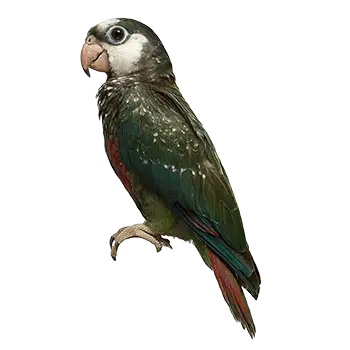

White-capped Pionus parrots have a distinct play personality that sets them apart from many other parrot species. They tend to be more methodical and less frenetic than conures or caiques, approaching toys with a thoughtful curiosity rather than unbridled energy. This calm but investigative nature means they gravitate toward toys that reward patient manipulation — items they can turn over, pick apart, and explore rather than simply bash and destroy. Understanding this temperament is the first step toward selecting toys that will actually get used rather than ignored.
Enrichment is not optional for captive Pionus parrots. In the wild, these birds spend the majority of their waking hours engaged in foraging, social interaction, and environmental exploration. A captive bird with nothing to do is a bird at risk for behavioral problems including feather destructive behavior, excessive screaming, and repetitive stereotypic movements. A well-stocked rotation of appropriate toys provides the mental occupation that replaces these natural activities and supports psychological health across the bird's decades-long lifespan.
Variety and rotation are key principles in any Pionus toy strategy. Rather than filling the cage with every toy at once, maintain three to five toys in the cage at a time and rotate new items in every one to two weeks. This keeps the environment feeling novel without overwhelming the bird. Some Pionus are initially cautious about new objects, so introducing a new toy near but not inside the cage for a day or two can help the bird acclimate before it becomes part of the interior setup.
Toy engagement also serves as a behavioral health barometer. A Pionus that suddenly stops interacting with previously favored toys may be signaling illness, depression, or environmental stress. Conversely, a bird that has been disinterested in toys and suddenly begins engaging may be responding positively to a diet change, schedule adjustment, or increased social interaction. Paying attention to play patterns gives keepers valuable insight into their bird's overall wellbeing.