
Health & Weight Monitoring

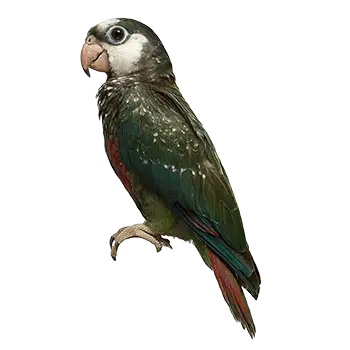
Consistent weight tracking is one of the most valuable health monitoring practices available to White-capped Pionus owners, and the technology required is surprisingly simple. A digital gram scale with a precision of at least one gram and a capacity of 500 grams or more is the essential tool. Daily or every-other-day weigh-ins at the same time — ideally first thing in the morning before feeding — establish a baseline weight pattern that makes subtle changes visible long before clinical symptoms appear. A healthy White-capped Pionus typically weighs between 200 and 230 grams, but the individual bird's personal baseline is more informative than population averages.

Digital scales designed specifically for bird weighing often include a perch attachment that makes the process easier for both bird and handler. Training the bird to step onto the scale perch voluntarily, reinforced with a small treat, transforms weighing from a handling event into a cooperative daily routine. Many keepers log weights in a simple spreadsheet or a dedicated pet health app that allows them to visualize trends over weeks and months. A weight loss of more than ten percent of body weight, or a sustained gradual decline, is a clear signal that veterinary evaluation is needed.

Environmental monitoring technology has become increasingly accessible and affordable. Digital thermometer-hygrometer units that display both temperature and relative humidity on a single screen cost very little and provide essential data about the bird's living conditions. Models with remote sensors can be placed directly inside or on the cage while the display sits at a convenient viewing location. Some units log historical highs and lows, helping keepers identify temperature swings during overnight hours or humidity drops that coincide with heating system activity.

Air quality monitors represent a newer category of environmental technology relevant to bird-keeping households. These devices measure particulate matter, volatile organic compounds, and sometimes carbon dioxide levels in real time. Given the extreme sensitivity of avian respiratory systems to airborne contaminants, an air quality monitor can alert keepers to hidden hazards such as off-gassing from new furniture, cleaning product residue, or poor ventilation that might go unnoticed by human occupants but could compromise a bird's respiratory health over time.

Cameras & Remote Monitoring

Home cameras positioned to view the bird's cage and play areas allow owners to observe behavior, check on wellbeing, and monitor safety remotely during work hours or travel. Modern Wi-Fi cameras with smartphone app integration provide live streaming, two-way audio, motion detection alerts, and cloud or local recording. For bird monitoring, choose a camera with good low-light performance so you can check on the bird during its dark rest period without needing to add light to the room.

Two-way audio features have a practical application beyond simple observation. Some Pionus owners use the speaker function to talk to their bird during the day, providing vocal interaction during periods of absence. While this does not replace in-person social contact, it can offer reassurance to a bird that responds to its owner's voice. Use this feature judiciously — constant audio input can be overstimulating, and unexpected sounds from a speaker may startle the bird rather than comfort it.

Motion and sound detection alerts serve a specific safety function for bird owners. A motion alert from the bird room during a time when the cage should be covered and the bird asleep could indicate a disturbance such as a pest intrusion, an earthquake, or the bird experiencing a night fright. Sound detection can flag unusual vocalizations that might indicate distress. Setting sensitivity thresholds appropriately prevents alert fatigue from routine movements while still catching genuinely anomalous events.

Camera placement requires some thought to balance monitoring effectiveness with the bird's comfort. Position the camera where it has a clear view of the cage interior, primary perches, and food stations without being close enough for the bird to chew on cables or the camera itself. Ceiling or high-wall mounts work well for overhead views. Ensure that any indicator lights on the camera, particularly infrared lights used for night vision, do not disturb the bird's sleep cycle. Some keepers apply a small piece of opaque tape over LED indicators that cannot be disabled through the camera's settings.

Smart Feeders & Water Management

Automated feeding systems designed for birds are less common than their dog and cat counterparts but are growing in availability and sophistication. The most practical automated feeders for parrots use a gravity-based or timer-controlled mechanism to dispense measured amounts of dry pellets or seed at scheduled intervals. For White-capped Pionus, these devices are most useful as backup systems during extended absences with a bird sitter, ensuring consistent pellet availability even if the caretaker's schedule is irregular.

Smart water fountains with filtration systems provide a continuously circulating supply of filtered water that stays fresher than standing water in a bowl. The movement of the water can also encourage drinking in birds that might otherwise under-hydrate. Look for units made from stainless steel or BPA-free materials with dishwasher-safe components and replaceable charcoal or multi-stage filters. The pump mechanism must be quiet enough not to disturb the bird — a buzzing or clicking fountain near the cage can cause stress rather than benefit.

Automatic misting systems take a more hands-off approach to providing bathing and humidity support. These range from simple timer-controlled spray nozzles to sophisticated units that integrate with humidity sensors to activate only when room humidity drops below a set threshold. For Pionus parrots, which benefit from regular moisture exposure, an automated misting system can ensure consistent hydration of the skin and feathers even when the owner's schedule makes daily manual misting impractical.

The limitations of automated feeding and watering equipment deserve honest acknowledgment. No automated system can assess the freshness or contamination of food it dispenses, detect a malfunctioning water pump, or notice that the bird has stopped eating or drinking. These devices supplement attentive ownership rather than replace it. Daily visual checks of food and water quality, cleaning of dispensing components, and monitoring the bird's actual consumption remain the owner's responsibility regardless of what automation is in place.

Environmental Control Technology

Smart home technology offers powerful tools for maintaining the precise environmental conditions that White-capped Pionus parrots require. Smart plugs and outlet timers connected to full-spectrum lights, humidifiers, and air purifiers allow automated scheduling that ensures consistent operation without relying on the owner's memory. Programming lights to turn on and off at the same time daily establishes the stable photoperiod that supports healthy hormonal cycles and sleep patterns in captive parrots.

Smart thermostats provide whole-house temperature stability that benefits both human and avian residents. The ability to set minimum and maximum temperature thresholds prevents the dangerous temperature swings that can occur when heating or cooling systems cycle aggressively or shut off unexpectedly. Remote monitoring through a smartphone app lets the owner check the home temperature from anywhere and make adjustments before conditions become uncomfortable or dangerous for the bird.

Humidity control systems range from simple humidifiers with built-in humidistats to whole-house humidification units integrated into the HVAC system. For bird rooms specifically, a standalone ultrasonic humidifier connected to a smart plug with humidity-based automation provides targeted moisture management. Setting the plug to activate the humidifier when a connected humidity sensor reads below 50 percent and deactivate above 65 percent maintains the tropical range that White-capped Pionus thrive in without manual intervention.

Lighting automation extends beyond simple on-off scheduling to include gradual dimming transitions that simulate sunrise and sunset. Smart bulbs or dimmer modules can be programmed to brighten slowly over 15 to 30 minutes in the morning and fade gradually in the evening, avoiding the abrupt light changes that can startle birds and disrupt their circadian transition periods. This feature is particularly valuable for Pionus parrots, which are sensitive to sudden environmental changes and benefit from the predictable, gradual transitions that mirror natural light patterns.

Training Technology

Technology-assisted training tools can enhance the effectiveness and consistency of positive reinforcement training with White-capped Pionus parrots. Clicker training, the foundational method for most parrot behavior modification, uses a small handheld device that produces a consistent, distinct click sound to mark desired behavior the instant it occurs. The precision of the click bridges the gap between the behavior and the food reward, allowing the bird to make clear associations between action and consequence. Digital clickers with adjustable volume are available for birds that find the standard mechanical click too startling.

Target sticks — lightweight wands with a colored ball or shape at the tip — are a simple but effective training tool that teaches the bird to follow and touch a visual target. This foundational behavior becomes the basis for more complex training including stationing, recall, and voluntary entry into carriers or onto scales. Telescoping target sticks with interchangeable tip colors add versatility for multi-step training sequences and can be adjusted in length to maintain appropriate working distance as the bird progresses.

Video recording during training sessions provides a review tool that can accelerate the training process. Reviewing footage allows the trainer to spot timing errors in click delivery, identify body language cues from the bird that were missed in real time, and track progress across sessions more objectively than memory alone allows. Even a smartphone propped up at a good angle serves this purpose — no specialized equipment is required. Some trainers also share footage with avian behavior consultants for remote coaching on technique.

Training apps and digital logbooks help maintain consistency across sessions by tracking which behaviors are being worked on, what reinforcers are being used, session duration, and progress notes. Consistency is particularly important with Pionus parrots, which tend to learn at a steady but moderate pace and benefit from regular, short training sessions rather than infrequent marathon sessions. A digital log makes it easy for multiple household members to pick up where the last session left off, ensuring the bird receives consistent cues and criteria regardless of which person is training.

Veterinary Telehealth & Digital Records

Veterinary telehealth services have expanded significantly in recent years, offering bird owners access to avian veterinary expertise through video consultation platforms. While telehealth cannot replace hands-on physical examination, diagnostic testing, or emergency care, it provides valuable access for behavioral consultations, diet reviews, follow-up appointments after in-person visits, and initial assessment of symptoms to determine whether an in-person visit is warranted. For Pionus owners in areas with limited avian veterinary specialists, telehealth bridges a geographic gap that might otherwise leave the bird without expert guidance.

Digital health records provide organized, accessible documentation of the bird's medical history, vaccination status, test results, and medication records. Maintaining these records digitally — whether in a dedicated pet health app, a cloud-based document, or a well-organized folder of scanned veterinary documents — ensures that critical information is available instantly if the bird needs emergency care from an unfamiliar veterinarian. Given that a White-capped Pionus can live three to four decades, maintaining organized health records across the bird's lifetime is a practical necessity that paper files alone make cumbersome.

Photo and video documentation of the bird's condition over time creates a visual medical record that complements clinical data. Regular photographs under consistent lighting conditions document feather quality, beak condition, eye clarity, and overall body condition in a way that written notes alone cannot capture. Video recordings of abnormal behaviors, breathing patterns, or posture changes can be shared with the veterinarian before or during a consultation, giving the clinician visual data that a verbal description might not fully convey.

Microchip registration databases represent a specific category of digital record-keeping that deserves ongoing attention. After the initial microchip implantation and registration, owners must keep their contact information current in the registry database. A microchip is only as useful as the information it links to — an outdated phone number or address renders the chip effectively useless for reunification if the bird is lost. Set an annual reminder to verify and update registration details, and ensure that any changes in ownership are formally transferred in the database to maintain an unbroken chain of identification.

Always consult a qualified professional before making any health-related decisions. This content is provided for informational reference only and should not replace professional guidance specific to your animal.