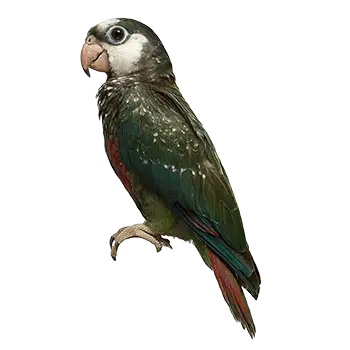

White-capped Pionus parrots require a well-rounded diet that mirrors the variety they would encounter in the wild forests of Central America. Their nutritional profile demands a careful balance of proteins, carbohydrates, healthy fats, vitamins, and minerals. Unlike some of the larger parrots that can tolerate higher fat content, Pionus species are prone to weight gain when overfed calorie-dense foods, making portion control and nutritional balance essential from day one.
Calcium and vitamin A are two of the most critical micronutrients for White-capped Pionus health. Vitamin A deficiency is one of the most commonly diagnosed nutritional problems in captive parrots, and Pionus birds are no exception. Signs of deficiency include dull feathering, nasal discharge, and increased susceptibility to infections. Calcium is equally important for bone density, beak health, and proper egg formation in breeding hens.
A healthy White-capped Pionus diet should consist of roughly sixty to seventy percent high-quality pellets, supplemented with twenty to thirty percent fresh fruits and vegetables, and a small percentage of seeds and nuts offered as treats or enrichment. This ratio provides the broad-spectrum nutrition that seed-only diets simply cannot deliver, while still offering the textural variety that keeps these intelligent birds engaged at mealtime.
Hydration plays a quieter but equally vital role in Pionus nutrition. Fresh, clean water must be available at all times, and water dishes should be changed at least twice daily to prevent bacterial growth. Some keepers prefer water bottles designed for birds, though many avian veterinarians recommend open dishes since they encourage natural drinking behavior and are easier to monitor for intake.