
Play Style & Personality

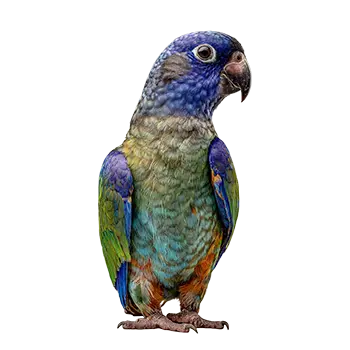
Blue-headed Pionus parrots have a play style that reflects their generally calm and methodical temperament. Unlike high-energy species such as caiques or conures that attack toys with reckless abandon, a Pionus tends to approach new objects cautiously, investigating them slowly before deciding whether to engage. This does not mean they are uninterested in toys — quite the opposite. Once a Blue-headed Pionus becomes comfortable with a toy, it can spend long stretches of time manipulating, chewing, and exploring it with focused attention.

Understanding this cautious nature is important when introducing new enrichment items. A toy that suddenly appears inside the cage may be met with suspicion or even fear. A better approach is to place the new toy near the cage for a day or two, then hang it on the outside of the cage bars, and finally move it inside once the bird shows curiosity rather than avoidance. This gradual introduction respects the bird's temperament and increases the likelihood of acceptance.

Pionus parrots are moderate chewers. They enjoy shredding and dismantling toys but lack the destructive jaw power of a macaw or cockatoo, so medium-duty toys tend to last longer and provide sustained entertainment. This makes them an economical species to enrich, as toys designed for medium-sized parrots typically survive weeks of regular use rather than being demolished in a single afternoon.

Foot toys — small items the bird holds and manipulates with one foot while perched — are particularly well-suited to the Pionus play style. These birds enjoy the fine motor challenge of turning, rotating, and disassembling small objects at their own pace. Providing a rotation of foot toys on the cage floor or on a flat platform perch can keep a Pionus quietly entertained for hours.

Foraging & Puzzle Toys

Foraging is the single most important enrichment category for captive parrots, and Blue-headed Pionus parrots take to it naturally. In the wild, these birds spend a significant portion of their day searching for food among forest canopy foliage, which engages their problem-solving abilities and keeps them physically active. Replicating this experience in captivity through foraging toys reduces boredom, discourages feather-destructive behavior, and provides essential cognitive exercise.

Beginner foraging toys involve simple concepts like food visible through openings that require the bird to reach, twist, or pull to access the reward. Transparent acrylic foraging boxes, treat-dispensing wheels, and skewered fruit holders all fall into this category. Start with easy challenges and gradually increase the difficulty as the bird becomes more proficient. A Pionus that has never foraged before may need the toy pre-loaded with visible, high-value treats to understand the concept.

Intermediate and advanced foraging systems introduce multiple steps, hidden compartments, or mechanical actions that must be completed in sequence. Drawer-style foragers, stacked cup puzzles, and toys that require lifting lids or unscrewing components challenge the bird's reasoning and persistence. Blue-headed Pionus parrots are intelligent enough to master multi-step foraging puzzles, though they may take longer than more impulsive species to attempt new mechanisms.

Wrapping treats in plain, unbleached paper or tucking them inside small cardboard boxes creates inexpensive disposable foraging opportunities that can be refreshed daily. Crumpling paper around a piece of walnut or a pellet and wedging it between cage bars gives the bird a novel challenge each time. This approach also satisfies the bird's desire to shred, producing a satisfying mess that indicates active engagement rather than passive boredom.

Chew Toys & Shreddables

Chewing is a natural and necessary behavior for parrots — it helps maintain beak health, provides sensory stimulation, and serves as an outlet for energy. Blue-headed Pionus parrots are moderate chewers that enjoy working through soft to medium-density wood, leather strips, palm fronds, and woven materials. Providing a steady supply of chewable toys prevents the bird from redirecting its chewing instinct toward cage bars, perches, or household items during out-of-cage time.

Balsa wood, pine, birch, and yucca are excellent choices for Pionus-appropriate chew toys. These woods are soft enough for the bird's medium-strength beak to make satisfying progress without being so hard that they cause frustration. Toys that combine wood pieces with leather knots, sisal rope, and cotton string offer textural variety that keeps the bird interested. Avoid any toys with zinc-plated hardware, lead-based dyes, or chemically treated wood.

Shreddable toys made from palm leaves, corn husks, coconut fiber, or woven sea grass appeal to the Pionus instinct to pull apart and dismantle. These toys are typically inexpensive and designed to be destroyed, which means they need regular replacement. Keeping two or three shreddable toys in the cage at all times ensures the bird always has an appropriate outlet. Some owners hang a fresh shreddable toy each Monday as part of a weekly enrichment routine.

When evaluating chew toy safety, check for small parts that could be swallowed, loose metal clips or bells that could trap toes, and dyes that may not be bird-safe. Vegetable-based dyes and food-grade coloring are generally considered safe, while toys with a strong chemical smell should be avoided. Always remove and replace toys once they have been chewed down to a point where hardware is exposed or fragments could break off and be ingested.

Interactive & Social Toys

Blue-headed Pionus parrots are social birds that form strong bonds with their owners, and interactive toys can strengthen that relationship while providing mental stimulation. Toys that require human participation — such as teaching the bird to drop objects into a container, stack rings on a peg, or retrieve a ball — combine training with play and tap into the Pionus's desire for calm, focused interaction with its favorite person.

Musical toys and noise-making devices can appeal to a Pionus's auditory curiosity. Small bells with enclosed clappers, rattling foot toys, and toys that produce satisfying clicks or clacks when manipulated provide sensory feedback that encourages repeated interaction. Unlike some noisier parrot species, Pionus parrots tend to use sound-making toys gently, creating soft background activity rather than ear-splitting racket — a quality their neighbors will appreciate.

Mirror toys are a subject of debate in avian enrichment. While a mirror can provide visual stimulation for a single bird, some parrots develop unhealthy attachments to their reflection, leading to hormonal behavior, regurgitation, or aggression toward their human companions. For Blue-headed Pionus parrots, which are already prone to bonding deeply, mirrors are best used sparingly and monitored for any behavioral changes. If the bird begins displaying to the mirror or spending excessive time fixated on it, remove it from the cage.

Swing perches combine physical activity with play and are enjoyed by many Pionus parrots. A swing encourages balance and coordination as the bird adjusts to the moving surface. Choose a swing sized appropriately for a medium parrot with a perch diameter that matches the bird's foot grip. Some swings incorporate additional features like attached chew toys or foraging cups, turning a simple perch into a multi-activity station.

Comfort & Companion Items

While Blue-headed Pionus parrots are not typically as clingy as cockatoos, they still appreciate comfort items within their cage that provide a sense of security. Soft rope perches positioned in a high corner of the cage create a cozy sleeping spot that many Pionus parrots prefer over rigid wood perches at bedtime. The slight give of the rope allows the bird to settle in comfortably, and the elevated position satisfies its instinct to roost at the highest available point.

Snuggle huts and fabric tents are popular comfort accessories, but they come with important caveats. Some birds become hormonally stimulated by enclosed, nest-like spaces, which can lead to egg-laying in females or territorial aggression in both sexes. Fabric interiors can also harbor bacteria if not washed frequently, and loose threads pose an entanglement hazard. If you choose to offer a fabric shelter, monitor the bird's behavior closely and remove the item at the first sign of hormonal activity or fabric damage.

Preening toys made from soft cotton or sisal rope provide an outlet for the bird's natural preening instinct. These toys mimic the texture of feathers and give the bird something appropriate to preen when it is alone, which can be particularly helpful for birds that are prone to over-preening their own feathers due to boredom or anxiety. A preening toy hung near the bird's favorite resting perch makes it easily accessible during the quiet hours when the bird is most likely to engage in grooming behavior.

Rotating comfort items periodically prevents the bird from becoming overly attached to any single object while maintaining a sense of novelty. Keep two or three sets of comfort items and swap them every few weeks. This rotation keeps the environment interesting without the stress of constant change, striking a balance that suits the Pionus's preference for gentle variety over dramatic upheaval.

DIY & Budget Options

Providing enrichment for a Blue-headed Pionus does not require a large budget. Many of the most effective toys can be constructed from household materials and natural items that cost little or nothing. Cardboard toilet paper tubes stuffed with crumpled paper and a few hidden pellets make excellent disposable foraging toys. Small paper cups stacked inside each other with treats layered between them create a multi-step challenge that most Pionus parrots find irresistible.

Untreated popsicle sticks, wooden clothespins without springs, and small wooden beads strung on vegetable-tanned leather strips create simple chew and manipulation toys. Drilling holes through small blocks of untreated pine or balsa and threading them onto a stainless steel skewer with leather spacers produces a satisfying chew toy that rivals commercial options. The key is ensuring all materials are bird-safe — no inks, glues, varnishes, or treated wood.

Natural foraging materials sourced from your own yard can provide excellent enrichment at no cost. Clean pinecones with peanut butter or mashed banana pressed into the crevices and rolled in seeds offer an engaging challenge. Fresh branches from bird-safe trees provide chewing material, perching variety, and a connection to the natural world. Wildflowers like dandelions, chamomile, and roses — provided they are pesticide-free — can be offered whole for the bird to dismantle and explore.

A toy rotation system is the most budget-friendly enrichment strategy of all. Rather than filling the cage with a dozen toys at once, maintain three to four toys inside the cage and keep the rest in a storage bin. Swap toys in and out every week, and previously seen toys will feel novel again after a few weeks out of sight. This approach reduces the need to constantly purchase new items while ensuring the bird always has something fresh and interesting to investigate.

Always consult a qualified professional before making any health-related decisions. This content is provided for informational reference only and should not replace professional guidance specific to your animal.