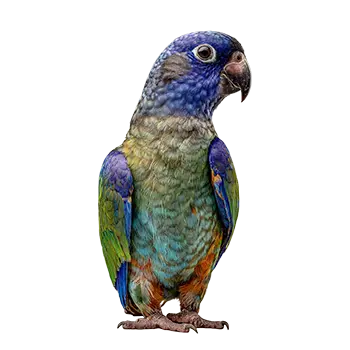

Blue-headed Pionus parrots require a well-balanced diet that reflects the diversity of foods they would encounter in the wild forests of Central and South America. In their natural habitat, these birds feed on a mix of fruits, seeds, blossoms, and occasionally insects, so replicating that variety in captivity is essential for long-term health. A diet that leans too heavily on any single food group can lead to nutritional deficiencies, obesity, or chronic health problems that may shorten their considerable lifespan.
The foundation of a Blue-headed Pionus diet should be a high-quality formulated pellet, which provides a controlled balance of vitamins, minerals, proteins, and carbohydrates. Pellets should constitute roughly 60 to 70 percent of the daily intake, with the remaining portion filled by fresh fruits, vegetables, and occasional seeds. This ratio ensures the bird receives consistent baseline nutrition while still benefiting from the phytonutrients and enrichment that whole foods provide.
Pionus parrots are somewhat prone to weight gain compared to more active parrot species, so caloric monitoring matters. Their calm temperament means they may not burn calories as aggressively as a cockatoo or macaw, making portion control an important consideration. A healthy adult Blue-headed Pionus typically consumes between 25 and 35 grams of pellets per day alongside a generous serving of fresh produce.
Vitamin A is a particularly important nutrient for Pionus species, as deficiencies can manifest as respiratory issues and poor feather condition. Dark leafy greens, sweet potatoes, carrots, and red peppers are excellent natural sources. Calcium is another nutrient to watch, especially for breeding females, and can be supplemented through cuttlebone or mineral blocks placed inside the cage.