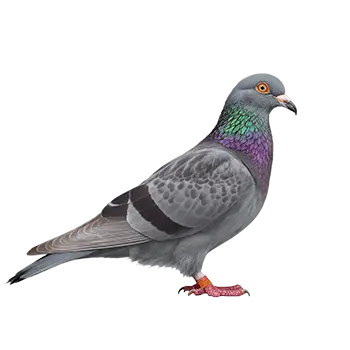

Fancy pigeons need considerably more space than many new keepers expect. While a single pair can technically survive in a small cage, thriving is a different matter entirely. The general rule of thumb is a minimum of four square feet of floor space per bird, with enough vertical clearance for comfortable perching and wing stretching. For breeds with elaborate tail fans, large crests, or exaggerated muffs, additional space helps prevent feather damage from overcrowding.
The loft — the traditional name for a pigeon house — should be designed with easy human access for daily cleaning, health checks, and bird handling. Walk-in lofts are strongly preferred over small hutch-style enclosures because they allow the keeper to move freely inside, observe birds at close range, and perform routine maintenance without contorting into awkward positions. Even keepers who start with just a few birds often find that a walk-in design saves considerable time and frustration.
Beyond floor space, consider the layout of perching and nesting areas. Pigeons are territorial about their nest boxes and preferred perches, and insufficient stations lead to squabbling and stress. A well-planned loft provides at least one nest box per pair plus a few extras, along with perching rails or shelves spaced far enough apart that birds on lower levels are not fouled by those above.
If you plan to keep multiple breeds, particularly breeds of different sizes or temperaments, compartmentalized lofts with internal dividers allow you to house groups separately while sharing a single structure. This is especially useful during breeding season when territorial behavior intensifies.