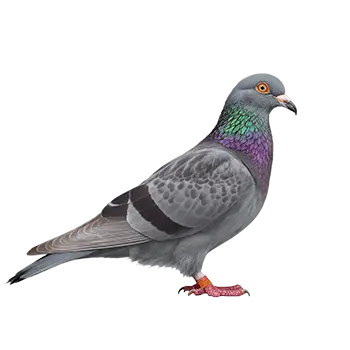

Nutritional Needs

Fancy pigeons are granivores whose diet revolves around a carefully balanced mix of grains, seeds, and legumes. Unlike their feral counterparts who scavenge a wide variety of food scraps, fancy pigeons kept for exhibition or companionship require a controlled diet that supports feather quality, body condition, and overall vitality. The nutritional foundation should provide roughly 13–16 percent protein, moderate fat content, and a well-rounded mineral profile including calcium and phosphorus.

The specific nutritional demands of a fancy pigeon can vary significantly based on breed type. Breeds with exaggerated features such as large crests, heavy feathering, or pronounced crops may require slightly higher protein levels during molt or breeding season. Similarly, flying breeds that are regularly exercised will burn more calories and benefit from a higher proportion of energy-dense grains compared to sedentary show breeds.

Pigeons also have a unique digestive system that relies heavily on grit for mechanical breakdown of whole seeds in the gizzard. Without adequate grit intake, even the highest-quality seed mix will be poorly digested. Understanding this basic physiology is essential before selecting any food product, because the seed mix and grit work together as a complete feeding system.

Water quality is an often-overlooked component of pigeon nutrition. Pigeons drink by submerging their beaks and sucking water upward, which means they are particularly susceptible to waterborne pathogens. Clean, fresh water should be available at all times, and water containers should be designed to minimize contamination from droppings or debris.

What to Look For

When evaluating pigeon feed products, the first thing to examine is the ingredient list and the proportional breakdown of seeds and grains. A quality pigeon mix will typically include a combination of peas, corn, milo, wheat, safflower, and smaller seeds like millet or canary seed. The ratio of these ingredients matters enormously — a mix heavy in corn provides quick energy but can lead to obesity in sedentary fancy breeds, while a pea-heavy mix delivers protein but may be less palatable to some birds.

Freshness is a critical factor that many keepers overlook. Seed mixes can go rancid, develop mold, or become infested with pantry moths if stored improperly or if the product has been sitting on shelves too long. Look for packaging that is sealed and ideally nitrogen-flushed to preserve freshness. When you open a bag, the seeds should smell clean and earthy, never musty or sour. Visually inspect for dust, broken seeds, or any signs of insect activity.

Avoid mixes that contain large amounts of filler seeds with low nutritional value. Some budget products pad their blends with excessive quantities of milo or other cheap grains that pigeons may pick around or consume without gaining meaningful nutrition. A slightly more expensive mix with higher-quality ingredients will ultimately be more economical because less feed is wasted.

Also consider whether the product is formulated specifically for pigeons or is a generic wild bird mix being marketed to pigeon keepers. Pigeon-specific formulations account for the unique caloric and protein needs of domestic pigeons and will generally produce better results in terms of feather condition, breeding success, and overall health.

Recommended Seed Mixes

The core of a fancy pigeon's diet should be a well-formulated pigeon seed mix designed for the bird's life stage and activity level. Breeding and conditioning mixes tend to have higher protein and fat content, featuring more peas, safflower, and sometimes hemp seed. Maintenance mixes are leaner, with a higher proportion of grains like wheat and milo to prevent weight gain during non-breeding periods.

For most fancy pigeon breeds kept as pets or for exhibition, a standard maintenance mix fed during the off-season and a conditioning mix introduced four to six weeks before breeding or show season provides a practical nutritional framework. Some keepers prefer to buy individual grains in bulk and blend their own custom mixes, which offers maximum control over ratios but requires more knowledge and effort.

Pelletized pigeon feeds have gained popularity in recent years as an alternative to traditional seed mixes. These formulated pellets are designed to deliver consistent nutrition in every bite, eliminating the problem of selective feeding where birds pick out their favorite seeds and leave the rest. However, many pigeons raised on seed mixes are reluctant to transition to pellets, and some keepers find that a combination approach — pellets as a base with a smaller amount of seed mix offered separately — works best.

Regardless of which type of mix you choose, consistency matters. Sudden dietary changes can upset a pigeon's digestive system and cause stress. Introduce new feeds gradually by blending them with the existing diet over a period of one to two weeks.

Fresh Foods & Supplements

While seeds and grains form the dietary foundation, fancy pigeons benefit from supplementation that fills nutritional gaps. Grit is the most essential supplement — pigeons require both insoluble grit (small stones or granite chips that aid in grinding seeds) and solite or oyster shell grit that provides calcium. A quality pigeon grit product will contain a blend of both types along with trace minerals like charcoal and red stone.

Calcium supplementation becomes especially important during breeding season when hens are producing eggs. Cuttlebone, crushed oyster shell, and mineral blocks designed for pigeons all serve this purpose. Without adequate calcium, hens can develop egg binding, a potentially fatal condition. Even outside of breeding season, calcium supports bone density and overall metabolic health.

Multivitamin supplements formulated for pigeons can be added to drinking water or mixed with soft food on a regular schedule. These typically include vitamins A, D3, E, and B-complex vitamins that may be deficient in an all-seed diet. Probiotics designed for avian species are another useful supplement, particularly after antibiotic treatment or during periods of stress such as shows, transport, or introduction to a new loft.

Some keepers offer small amounts of fresh greens such as chopped lettuce, spinach, or sprouted seeds as occasional treats. Sprouted seeds are particularly nutritious because the germination process increases vitamin content and makes nutrients more bioavailable. However, fresh foods spoil quickly and must be removed from the loft within a few hours to prevent bacterial growth.

Treats & Training Rewards

Pigeons are highly food-motivated, which makes treats an effective tool for taming, training, and routine handling. The most universally appealing treats for pigeons include safflower seeds, raw unsalted peanut pieces, and hemp seeds — all of which are high in fat and flavor compared to standard feed grains. These should be offered sparingly, as their caloric density can contribute to weight gain if used excessively.

For keepers who handle their birds regularly or are training them to return to specific perches or perform for exhibition judging, a small dish of preferred seeds offered by hand helps build trust and positive associations. Many fancy pigeon breeds are naturally docile and will learn to take treats from their keeper's hand within a few weeks of consistent, gentle interaction.

Commercially produced pigeon treat sticks and seed bars are available, but these often contain binding agents like honey or sugar that are unnecessary and potentially harmful in large quantities. If you enjoy offering your birds these products occasionally, look for versions with minimal added sweeteners and a short, recognizable ingredient list.

Avoid offering pigeons any human food scraps, bread, or processed snacks. While feral pigeons are commonly seen eating bread in urban environments, it provides almost no nutritional value and can cause crop impaction in birds that consume large quantities. Fancy pigeons in particular should be kept on a clean, controlled diet to maintain optimal condition.

Foods to Avoid

Several common foods and substances are harmful or potentially toxic to pigeons and should never be offered. Avocado contains persin, a fungicidal toxin that is lethal to most bird species including pigeons. Chocolate and caffeine are similarly dangerous, causing cardiac and neurological symptoms even in small amounts. Onions and garlic, while occasionally debated in poultry circles, are best avoided as they can cause hemolytic anemia in birds.

Salty foods pose a serious risk to pigeons because their kidneys are not equipped to process high sodium loads efficiently. This includes salted nuts, chips, pretzels, and any seasoned human food. Even seemingly innocuous items like salted crackers can cause dehydration and kidney stress in a bird as small as a pigeon.

Moldy or spoiled feed is one of the most common dietary hazards in a pigeon loft. Aspergillus mold, which thrives in damp grain, produces aflatoxins that cause liver damage and respiratory disease. Always store seed mixes in cool, dry, airtight containers and discard any feed that shows signs of moisture, clumping, or off odors. Clean feed hoppers and storage bins regularly to prevent mold spores from accumulating.

Raw dried beans and lentils contain lectins that are toxic to pigeons unless thoroughly cooked, and since most keepers feed dry ingredients, these should simply be excluded from any homemade mix. Fruit seeds and pits from apples, cherries, and peaches contain trace amounts of cyanide compounds and should also be kept away from pigeons.

Feeding Schedule

Most experienced pigeon keepers feed their birds twice daily — once in the morning and once in the late afternoon — rather than leaving feed available at all times. Scheduled feeding encourages pigeons to eat promptly, reduces waste and contamination from droppings falling into open feed trays, and allows the keeper to monitor each bird's appetite as an early indicator of health problems.

The amount of feed per bird varies by breed size, activity level, and season, but a general guideline is approximately one ounce (roughly 28 grams) of seed mix per bird per feeding. During breeding, molting, or cold weather, this amount may need to increase by 20 to 30 percent to account for higher energy demands. Conversely, sedentary show breeds during the off-season may need slightly less to prevent obesity.

Grit and mineral supplements should be available at all times in a separate dish from the main feed. Pigeons self-regulate their grit intake and will consume what they need when they need it. Water should also be available continuously, refreshed at least once daily, and provided in containers that minimize fouling. Vacuum-style drinkers or nipple waterers are preferable to open dishes for hygiene reasons.

Keep a consistent feeding routine, as pigeons are creatures of habit and respond well to predictability. A regular schedule also helps the keeper notice when a bird is off its feed, which is often the first sign of illness. If a bird that normally eats eagerly begins ignoring food or sitting puffed up at feeding time, it warrants closer observation and possibly a veterinary consultation.

Always consult a qualified professional before making any health-related decisions. This content is provided for informational reference only and should not replace professional guidance specific to your animal.