
Bands, Rings & Identification

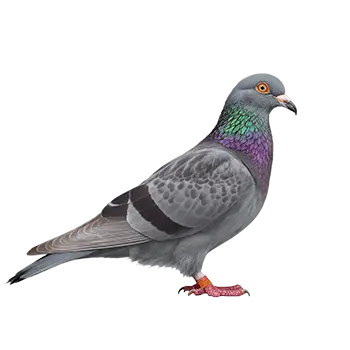
Identification bands are one of the most fundamental accessories for any fancy pigeon keeper. Seamless aluminum bands, applied to squabs when they are approximately five to seven days old, serve as permanent identification that cannot be removed without cutting. These bands are issued by national pigeon organizations and typically carry a unique serial number, the year of hatching, and the organization's code. They are essential for registering birds, entering shows, and maintaining accurate breeding records.

For birds that were not banded as squabs, split plastic or aluminum bands can be applied to adult birds. These snap-on bands come in various colors and can be used for quick visual identification within a loft — for instance, color-coding birds by breeding line, year class, or sex. While they lack the permanence and official standing of seamless bands, they are practical management tools that help keepers track individual birds at a glance.

Band size varies by breed, and using the correct diameter is critical. A band that is too tight can restrict circulation and cause swelling or tissue death, while one that is too loose can snag on loft fixtures or slide over the foot joint and become trapped. Consult your breed club's guidelines for the recommended band size, and inspect banded legs regularly for any signs of irritation, swelling, or debris buildup under the band.

Record-keeping systems — whether a simple notebook, spreadsheet, or dedicated pigeon management software — should be paired with your banding program. Every bird in the loft should have its band number recorded along with its parentage, hatch date, breed, color, and any show results or health notes. This documentation is invaluable for tracking lineage, planning pairings, and providing provenance when selling or trading birds.

Grooming & Feather Care Tools

Fancy pigeons bred for exhibition require regular grooming to maintain the feather condition that judges evaluate in the show pen. A basic grooming kit for show pigeons includes a soft-bristled brush for smoothing body feathers, a fine misting spray bottle for dampening feathers before grooming, and clean soft cloths for buffing feather surfaces to a healthy sheen. The grooming process also provides an opportunity to inspect each bird closely for parasites, injuries, or feather abnormalities.

For breeds with elaborate foot feathering or muffs, such as English trumpeters or lahore pigeons, foot care is an ongoing task. Mud, droppings, and bedding material can mat into foot feathers and cause skin irritation or infection if not removed. A small basin of warm water, a soft toothbrush, and gentle blotting with a towel are the standard tools for cleaning feathered feet. Some keepers apply a light coating of avian-safe feather conditioner to keep foot feathers supple and reduce breakage.

Nail trimming is occasionally necessary, particularly for birds housed on smooth surfaces that do not naturally wear down the nails. A small pair of bird nail clippers or human nail clippers can be used to trim the tip of each nail, taking care to avoid the quick — the blood vessel visible inside light-colored nails. Having styptic powder or cornstarch on hand is a sensible precaution in case of minor bleeding.

Beak maintenance is rarely needed in healthy pigeons with access to grit and hard surfaces, but occasionally a bird's beak may become overgrown due to misalignment or underlying health issues. If you notice a beak that appears excessively long or is interfering with the bird's ability to eat, consult an avian veterinarian rather than attempting to trim it yourself, as improper beak trimming can cause pain and bleeding.

Feeders, Drinkers & Bowls

Choosing the right feeders and drinkers for a pigeon loft involves balancing hygiene, convenience, and the specific needs of the breeds you keep. Hopper-style feeders that dispense seed from an enclosed reservoir as birds eat from a trough at the bottom are the most popular choice for lofts with multiple birds. They keep the bulk of the feed clean and dry while allowing birds to eat freely. Look for hoppers with a trough design that prevents birds from standing in the feed, as this reduces contamination from droppings.

Vacuum-style drinkers, which consist of an inverted bottle or jug resting on a base tray, are the standard water delivery system in most pigeon lofts. They provide a consistent supply of clean water while minimizing the open surface area exposed to droppings and debris. The base tray should be shallow enough that birds can comfortably submerge their beaks for drinking but not so deep that squabs could drown. Drinkers should be cleaned and refilled daily, as biofilm can develop rapidly on plastic surfaces in warm weather.

Nipple-style drinkers, commonly used in poultry operations, are gaining popularity among pigeon keepers who prioritize water hygiene. These systems virtually eliminate contamination because the water is enclosed in a sealed reservoir and dispensed only when a bird activates the nipple with its beak. The transition period can be challenging, as pigeons accustomed to open-trough drinking may take several days to learn the new system. Keeping a standard drinker available alongside the nipple system during the learning phase ensures no bird goes without water.

Separate dishes for grit and mineral supplements should be provided in addition to feed and water containers. These should be stable enough that birds cannot tip them over and positioned away from perching areas to minimize contamination. Glazed ceramic crocks or heavy stoneware dishes work well for this purpose and are easy to sanitize.

Transport Carriers & Show Cages

Whether you are transporting pigeons to shows, veterinary appointments, or a new home, a proper carrier is essential for the birds' safety and comfort. Standard pigeon transport boxes are designed with ventilation holes, a secure latch, and dimensions that prevent excessive movement during transit. Single-bird carriers are ideal for veterinary visits, while stackable multi-compartment boxes are used for transporting show teams.

Cardboard show carriers are a traditional and economical option, typically used once or a few times before being discarded. They are lightweight, easy to store flat when not in use, and available through pigeon supply vendors in standard sizes. However, they offer limited durability and no insulation, making them less suitable for long trips or extreme weather conditions.

Plastic and wooden carriers offer greater durability and are worth the investment for keepers who show regularly or transport birds frequently. Plastic carriers are easy to clean and disinfect between uses, which is important for biosecurity. Wooden carriers provide better insulation but are harder to sanitize thoroughly. Regardless of material, ensure that the carrier has adequate ventilation, a non-slip floor surface, and secure closures that cannot be accidentally opened during handling.

Show cages — the standardized display cages used during pigeon exhibitions — are a separate category from transport carriers. Show cages are provided by the show organizers in most cases, but some exhibitors prefer to bring their own for pre-show preparation. Training young birds to stand calmly in a show cage is an important part of show preparation, and having a practice cage at home allows you to condition birds to the show environment before their first competition.

Safety, Biosecurity & Health Supplies

A well-stocked pigeon medicine cabinet and a set of biosecurity protocols are essential accessories for any loft. Basic health supplies include a digital gram scale for weighing birds and monitoring body condition, a magnifying loupe for inspecting feathers and skin for parasites, a small flashlight for examining the mouth and throat, and a basic first-aid kit containing styptic powder, antiseptic solution, gauze, and medical tape.

Parasite control products formulated for pigeons address both internal parasites (roundworms, hairworms, coccidia) and external parasites (pigeon flies, feather lice, red mites). Preventive treatment schedules vary by region and management style, but most keepers perform fecal testing at least twice a year and treat as indicated rather than following a fixed deworming calendar. External parasite control may involve dusting birds with avian-safe insecticidal powder or treating the loft environment with residual sprays designed for poultry housing.

Biosecurity accessories include dedicated loft shoes or boot covers that are worn only inside the pigeon area to prevent tracking in pathogens from outside environments. Hand sanitizer or a hand-washing station at the loft entrance is another simple but effective measure, especially for keepers who visit other lofts, attend shows, or handle birds from different sources. Quarantine cages — separate enclosures for isolating new arrivals or sick birds — are a non-negotiable biosecurity tool.

Vaccination supplies, where applicable and legal in your jurisdiction, may include vaccines for paramyxovirus (PMV-1) and pigeon pox. These are typically administered by the keeper via eye drop, drinking water, or wing-web methods. Consult with an avian veterinarian familiar with pigeon medicine to establish a vaccination schedule appropriate for your area and flock size.

Seasonal & Show Preparation Gear

Preparing fancy pigeons for the show season involves a range of accessories and practices designed to present each bird in peak condition. Show preparation typically begins six to eight weeks before the first show and includes intensified grooming, dietary adjustments, and conditioning exercises. A show preparation checklist helps ensure that nothing is overlooked as the season approaches.

Bathing products designed for show pigeons include gentle avian shampoos that clean feathers without stripping natural oils, and feather brighteners that enhance the sheen and color of plumage. White-feathered breeds may benefit from optical brightening agents that reduce yellowing, while dark-feathered breeds look best with a product that enhances depth of color. Always test any new bathing product on a single bird first and allow adequate drying time before evaluating the result.

Leather or fabric show gloves protect the handler's hands and prevent oils from transferring to freshly groomed feathers during handling and judging. A show kit bag packed with essentials — spare bands, grooming tools, a spray bottle, clean towels, a small container of feed, and a portable drinker — ensures that you have everything needed at the show venue without scrambling for supplies.

Seasonal gear extends beyond show preparation. In winter, heated waterers or water heater bases prevent drinking water from freezing in unheated lofts. In summer, additional bathing pans and shade cloths for outdoor aviaries help keep birds comfortable during heat waves. A seasonal maintenance schedule that addresses loft repairs, deep cleaning, and equipment replacement keeps your setup in optimal condition year-round and prevents small problems from becoming expensive emergencies.

Always consult a qualified professional before making any health-related decisions. This content is provided for informational reference only and should not replace professional guidance specific to your animal.