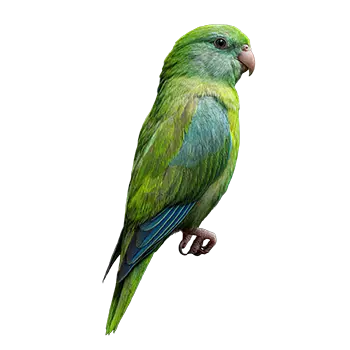

Space Requirements

Green-rumped Parrotlets may be among the smallest parrots in the world, but they are incredibly active and require far more space than their diminutive size might suggest. A common mistake among first-time owners is selecting a cage that is technically adequate in volume but too narrow for meaningful flight. The minimum recommended cage size for a single parrotlet is 24 inches long by 18 inches wide by 24 inches tall, though larger is always better. Horizontal space is more important than vertical height, as parrotlets tend to fly and hop laterally rather than climb straight up.

Bar spacing is a critical safety consideration that is unique to small birds. Parrotlets require bar spacing no wider than half an inch to prevent them from squeezing their heads or bodies between the bars, which can lead to injury or escape. Wider spacing designed for larger parrots is a serious hazard. When evaluating cages, check that the spacing is consistent across all panels, including the roof and door areas where manufacturing inconsistencies sometimes create wider gaps.

Placement of the cage within your home affects your parrotlet's sense of security and overall wellbeing. Position the cage at chest height in a room where the family spends time, so the bird feels included in household activity. Avoid placing the cage directly in front of windows where temperature fluctuations and the sight of outdoor predators like hawks or cats can cause stress. At least one side of the cage should be against a wall to provide a sense of security.

If you plan to house more than one parrotlet, space requirements increase significantly. Green-rumped Parrotlets can be territorial, and even bonded pairs benefit from a larger enclosure that allows each bird to establish its own preferred area. A flight cage measuring at least 36 inches long is advisable for a pair, and separate cages may be necessary if aggression becomes an issue.

Cage Types & Construction

The material and construction quality of a parrotlet cage directly impact its safety, durability, and ease of maintenance. Powder-coated steel and stainless steel are the two best options for cage construction. Powder-coated cages are more affordable and widely available, while stainless steel cages are virtually indestructible, resistant to rust, and free of any coating that could chip or be ingested. Avoid cages made with zinc, lead, or brass components, as these metals are toxic to birds when ingested through chewing or preening.

Cage door design deserves careful attention. Parrotlets are remarkably clever and can learn to open simple slide-up or push-out doors. Look for cages with secure latch mechanisms that require a deliberate two-step motion to open, or plan to add small cage locks or clips to prevent escape. Multiple doors are convenient for cage maintenance, feeding, and allowing your bird to exit for supervised out-of-cage time.

The cage floor should feature a removable tray for easy cleaning. Grate floors that sit above the tray prevent the bird from walking in its own droppings and discarded food, which improves hygiene. Some owners prefer to remove the grate to give their parrotlet access to the tray area for foraging, but this requires more frequent cleaning. Whichever approach you choose, the tray should slide out smoothly and be made of a material that resists staining and bacterial growth.

Ventilation and visibility are also worth considering. Open-bar cages provide excellent airflow, while acrylic-paneled enclosures reduce seed scatter and mess but can restrict air circulation if not properly ventilated. For most parrotlet owners, a standard open-bar cage with a seed guard skirt offers the best balance of airflow, visibility, and mess control.

Perches & Interior Layout

The interior layout of a parrotlet cage is just as important as the cage itself. Perches are the most fundamental element, and offering a variety of perch types and diameters promotes healthy foot development and prevents pressure sores. Natural wood perches with varying diameters between three-eighths and three-quarters of an inch are ideal for parrotlet feet. Avoid smooth dowel perches of a single diameter, as they force the foot into the same grip position constantly and can contribute to bumblefoot.

Rope perches and flexible spiral perches add variety and exercise opportunities, as parrotlets enjoy navigating uneven surfaces. Cotton rope perches should be inspected regularly for fraying, as loose threads can entangle toes or be ingested. Cement or textured conditioning perches can help keep nails trimmed naturally but should be placed in low-traffic areas of the cage — not as a primary sleeping perch — to avoid irritating the bird's feet during extended contact.

Perch placement should create a logical layout that encourages movement without cluttering the cage. Position perches at different heights and angles, leaving clear flight paths between them. The highest perch is typically where the bird will choose to sleep, so place it in a back corner away from drafts and direct light. Food and water dishes should be positioned near mid-level perches for easy access but not directly below higher perches where droppings could contaminate them.

Swings are a popular addition that most parrotlets enjoy. A single swing positioned near the top of the cage provides both a comfortable resting spot and gentle motion that many birds find soothing. Choose a swing sized for small birds with a perch diameter appropriate for parrotlet feet, and ensure it has enough clearance to swing freely without hitting cage walls or other accessories.

Cage Liners & Substrate

Choosing the right cage liner or substrate simplifies daily maintenance and supports a hygienic living environment. Plain newspaper or unprinted newsprint is the most commonly recommended cage liner because it is inexpensive, readily available, and makes it easy to monitor droppings for changes in color, consistency, or volume — all of which are important health indicators. Simply layer several sheets on the tray and remove the top sheet daily for a quick clean.

Paper-based cage liners sold specifically for bird cages work similarly to newspaper and are pre-cut to fit standard tray sizes. These can be a convenient option if you prefer not to save newspapers. Avoid using printed magazine pages or glossy paper, as the inks and coatings may contain chemicals that could be harmful if a bird comes into contact with them.

Wood shavings and other particulate substrates are sometimes used but come with important caveats for parrotlets. Cedar and pine shavings release aromatic compounds that can irritate a bird's respiratory system and should be avoided entirely. Aspen shavings are considered safer but can still harbor mold if not changed frequently. If you prefer a loose substrate for aesthetic reasons, aspen or paper-based bedding is acceptable, but be aware that it makes monitoring droppings more difficult.

Corn cob bedding is another option that some bird owners use, but it carries a significant risk of mold growth when it absorbs moisture from droppings or spilled water. Mold produces aspergillus spores, which cause aspergillosis — a serious and potentially fatal respiratory infection in birds. Given this risk, paper-based liners are the safest and most practical choice for parrotlet cages.

Climate & Environmental Considerations

Green-rumped Parrotlets originate from tropical regions of South America and thrive in warm, stable temperatures between 65 and 85 degrees Fahrenheit. They are sensitive to drafts, rapid temperature changes, and extreme cold. Position the cage away from exterior doors, air conditioning vents, and single-pane windows that can radiate cold air in winter. If your home drops below 65 degrees at night, consider a ceramic heat emitter or an avian-safe radiant panel heater to maintain a comfortable microclimate around the cage.

Humidity is another environmental factor that affects parrotlet health. These birds do best in moderate humidity between 40 and 60 percent. In dry climates or during winter when indoor heating reduces humidity, a room humidifier can help prevent dry skin, feather issues, and respiratory irritation. Avoid placing the cage in bathrooms or kitchens where humidity and temperature fluctuate dramatically throughout the day.

Lighting plays a crucial role in regulating a parrotlet's circadian rhythm, hormone levels, and vitamin D synthesis. Parrotlets need 10 to 12 hours of darkness for restful sleep and 12 to 14 hours of light during waking hours. Full-spectrum avian lighting that includes UVA and UVB wavelengths supports natural behaviors and calcium metabolism. Place the light source within 12 to 18 inches of the cage for effective UV exposure, and set it on a timer for consistency.

Airborne toxins are a serious and often underestimated threat to parrotlets. Polytetrafluoroethylene coatings found on nonstick cookware, some space heaters, and certain appliances release fumes that are acutely lethal to birds when heated. Scented candles, air fresheners, aerosol sprays, and cigarette smoke can also cause chronic respiratory damage. Maintain a bird-safe household by eliminating these hazards from any room where your parrotlet lives or spends time.

Multi-Bird Households

Keeping multiple parrotlets in the same household requires thoughtful planning around housing, as Green-rumped Parrotlets are known for their strong personalities and territorial instincts. A bonded pair that has been properly introduced may cohabitate peacefully in a large flight cage, but even bonded pairs can have disputes that escalate if the enclosure is too small. Always have a backup cage available in case separation becomes necessary, and monitor interactions closely during the initial cohabitation period.

If you keep parrotlets alongside other bird species, separate cages are essential. Parrotlets are notoriously aggressive toward other species despite their small size, and they have been known to injure or kill birds much larger than themselves through persistent attacks on feet and toes. Even during supervised out-of-cage time, interactions between parrotlets and other species should be carefully managed and ideally kept to separate rooms.

Quarantine protocols are a non-negotiable part of introducing any new bird to a multi-bird household. New arrivals should be housed in a separate room — not just a separate cage in the same room — for a minimum of 30 days while being monitored for signs of illness. During the quarantine period, handle the quarantined bird after attending to your established birds, and wash hands and change clothing between interactions to prevent cross-contamination.

Cage placement in a multi-bird household matters for social dynamics. Some parrotlets enjoy visual contact with other birds and will vocalize back and forth throughout the day, while others become agitated by the presence of neighbors. Observe your birds' behavior and adjust placement accordingly. Providing visual barriers like a towel draped over one side of a cage can reduce territorial stress if birds react negatively to seeing each other.

Always consult a qualified professional before making any health-related decisions. This content is provided for informational reference only and should not replace professional guidance specific to your animal.