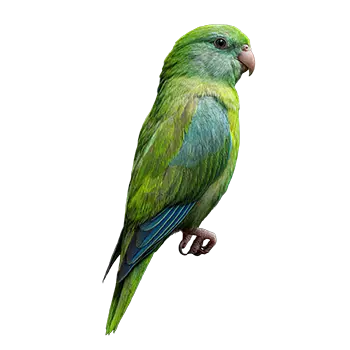

Green-rumped Parrotlets are tiny but metabolically active birds that require a nutrient-dense diet to sustain their energy levels and overall health. Despite their small size, they have surprisingly large appetites relative to body weight, and their food intake must be carefully balanced between proteins, fats, carbohydrates, vitamins, and minerals. A poor diet is one of the leading causes of health problems in captive parrotlets, making nutrition one of the most important aspects of their care.
In the wild, Green-rumped Parrotlets forage on a varied diet of seeds, fruits, flowers, and small insects. Replicating this diversity in captivity is essential to preventing nutritional deficiencies. Calcium and vitamin A are two nutrients that parrotlets commonly lack when fed a seed-only diet, and deficiencies in either can lead to serious medical conditions over time. A well-rounded feeding plan should incorporate multiple food types offered on a consistent daily schedule.
Because parrotlets have fast metabolisms, they cannot go long periods without food. An empty crop for more than a few hours can become dangerous, particularly in younger or smaller individuals. Owners should ensure food is always accessible during waking hours and monitor body weight regularly to catch any drops early. A digital gram scale is an indispensable tool for tracking weight trends and adjusting portions accordingly.
Hydration is equally important and often overlooked. Fresh, clean water should be available at all times, and water dishes or bottles should be cleaned daily to prevent bacterial growth. Some owners prefer water bottles over open dishes to reduce contamination from droppings and food debris, though either method works as long as hygiene is maintained.