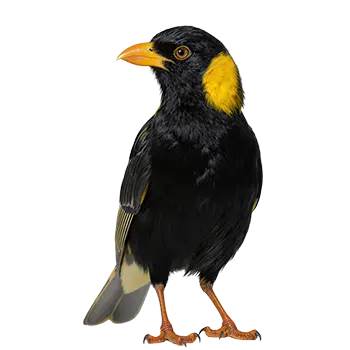

Mynah birds are active, athletic flyers that need significantly more space than their medium body size might suggest. A single mynah requires a cage with minimum interior dimensions of 36 inches long, 24 inches deep, and 36 inches tall, though larger is always better. Unlike parrots that climb and hang, mynahs move primarily by hopping between perches and making short flights, so horizontal length matters more than vertical height.
Flight cages or small aviaries are the ideal housing solution for mynahs. These enclosures provide enough room for the bird to fly short distances between perches, which is essential for maintaining muscle tone, cardiovascular health, and psychological well-being. A mynah confined to a cage that only allows hopping will become lethargic, overweight, and prone to behavioral problems including feather destruction and excessive screaming.
Bar spacing is a critical safety consideration. Mynah birds do best with bar spacing between half an inch and three-quarters of an inch. Wider spacing risks head entrapment, while narrower spacing designed for small finches can trap toes. Horizontal bar orientation on at least two sides of the cage gives the bird additional climbing surfaces, though mynahs use these less frequently than hookbill species.
Placement within the home matters as much as cage dimensions. Mynahs are social birds that want to be near household activity, but they also need a quiet side or corner of the cage where they can retreat. Position the enclosure at chest height in a well-lit room away from kitchens, where cooking fumes pose respiratory hazards, and away from windows that receive direct afternoon sun, which can cause overheating.