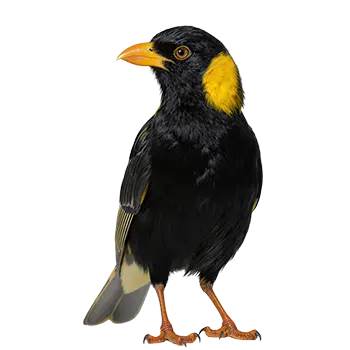

Mynah birds are softbills, meaning they lack the strong, seed-cracking beaks of parrots and finches. Their digestive systems are designed to process soft fruits, insects, and moist foods rather than hard seeds or dry grains. This distinction is critical when selecting food products, because a diet formulated for hookbills or seed-eating species will leave a mynah malnourished and vulnerable to disease.
The primary dietary concern with mynah birds is iron storage disease, also known as hemochromatosis. Mynahs are exceptionally sensitive to dietary iron, and excess iron accumulates in the liver over time, leading to organ failure. Any food product chosen for a mynah must have a low iron content, ideally below 100 parts per million. This single factor eliminates most generic bird foods from consideration and makes label reading essential.
Beyond iron management, mynahs require a diet rich in vitamins A and C, moderate protein from insect-based sources, and a generous proportion of fresh fruit. Their fast metabolisms mean they process food quickly and need consistent access to appropriately balanced meals throughout the day. A well-fed mynah will display glossy black plumage, bright eye wattles, and high vocal activity.
Calcium and phosphorus balance also matters for bone and feather health. While mynahs do not consume grit or cuttlebone the way some birds do, their pellet and fresh food intake should provide adequate mineral support without relying on separate supplements unless directed by an avian veterinarian.