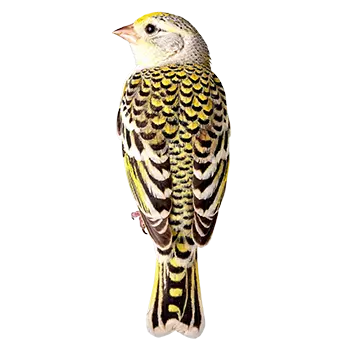

Food and Water Dispensers

The method by which food and water are delivered to a Lizard Canary has practical consequences for hygiene, convenience, and the bird's feeding behavior. Open dishes, tube-style feeders, and gravity-fed water bottles each have distinct advantages and limitations, and the best choice depends on the housing situation, the number of birds being maintained, and the keeper's daily routine. Understanding the functional differences between these product types prevents the common mistake of selecting dispensers based solely on appearance or price.

Open seed dishes are the traditional feeding method and remain widely used. Their primary advantage is that canaries recognize them instinctively — there is no learning curve, and the bird can see and access its food without any manipulation. The drawback is contamination. Seed husks accumulate on the surface, potentially concealing uneaten seed underneath and giving the false impression of a full dish. Droppings, feather dust, and debris also fall into open dishes, particularly those positioned below perches. If open dishes are used, they should be wide enough that the bird can feed comfortably and shallow enough that husks can be blown away easily during the daily refresh.

Tube-style seed dispensers, sometimes called seed hoppers, address the contamination issue by enclosing the seed supply in a vertical tube that gravity-feeds into a small trough at the base. As the bird eats from the trough, additional seed flows down to replace what was consumed. This design keeps the bulk of the seed supply clean and protected, reduces waste, and makes it easier to gauge how much the bird is actually eating. For multi-cage setups common among Lizard Canary breeders, external tube feeders that mount on the outside of the cage with a small access port through the bars allow refilling without opening the cage door, minimizing disturbance to nesting hens or show birds in training.

Water delivery presents similar choices. Open water dishes are simple and allow the bird to bathe in its drinking water, which most canaries will do if given the opportunity — a behavior that is enriching but hygienically problematic. Tube-style water bottles with a small drinking nozzle or open trough keep the water supply clean and uncontaminated by droppings, food, and bathing. Some canaries take readily to water bottles, while others resist the unfamiliar delivery method. When transitioning a bird to a water bottle, both the bottle and an open dish should be offered simultaneously until the keeper confirms the bird is drinking regularly from the bottle. Regardless of the dispensing method, water must be changed daily, and all water vessels cleaned to prevent biofilm and bacterial growth.

Cage Covers and Lighting

Cage covers serve a deceptively important function in Lizard Canary husbandry by providing the keeper with precise control over the bird's photoperiod — the daily cycle of light and darkness that governs hormonal rhythms, molt timing, breeding readiness, and sleep quality. A canary's physiology is exquisitely sensitive to changes in day length, and inconsistent or artificially extended light exposure can disrupt the annual cycle of molt, rest, and reproduction that the bird's body expects to follow. A quality cage cover, used consistently, is one of the simplest and most effective tools for maintaining hormonal balance.

The material of the cage cover matters more than most owners realize. The cover must block light effectively — a thin or light-colored fabric that allows significant light penetration defeats the purpose. Dark, densely woven cotton or polyester is the standard choice. The fabric should be breathable to allow adequate air circulation, as a cover made from non-porous material like vinyl or thick plastic can trap moisture, carbon dioxide, and airborne contaminants against the cage. Purpose-made cage covers are cut to fit standard cage dimensions with ventilation panels or gaps that allow airflow while still blocking light from the bird's sleeping area.

Lighting accessories extend beyond the cage cover to include the full-spectrum bulbs used to illuminate the bird room. Canaries can perceive ultraviolet light wavelengths that are invisible to humans, and standard incandescent or LED household bulbs do not produce UV output. Full-spectrum avian bulbs, which emit light across a range that includes UVA and UVB wavelengths, more closely approximate natural sunlight and support vitamin D3 synthesis, color perception, and psychological wellbeing. For Lizard Canary breeders, full-spectrum lighting is particularly relevant because judges evaluate plumage under natural or full-spectrum light, and feather colors viewed under standard artificial light may appear quite different from their true appearance.

Timers are an essential companion to both covers and lights. A simple plug-in timer that turns the bird room lights on and off at preset times ensures a consistent photoperiod regardless of the keeper's daily schedule. During the breeding season, timers can be adjusted gradually to simulate the increasing day length of spring, which triggers breeding readiness. During the post-breeding period, decreasing the light hours back to a natural autumn photoperiod signals the bird's body to begin the molt. Manual light management is unreliable because even small daily variations accumulate into significant hormonal confusion over weeks and months.

Grooming and Health Supplies

Routine grooming for a Lizard Canary is minimal compared to many other pet bird species, but a small kit of grooming and health supplies should be on hand for the occasions when intervention is needed. Canaries are largely self-maintaining birds — regular bathing and preening keeps feathers in condition, and normal perch use wears the beak and nails at a rate that usually matches growth. However, individual birds occasionally develop overgrown nails or beaks that require trimming, and breeding hens may need nail trimming to prevent egg damage or injury to newly hatched chicks.

Nail trimming is the most common grooming procedure for canaries. A sharp pair of small bird nail clippers or fine human nail clippers is the essential tool. The canary's nails are tiny and translucent, which makes the blood vessel running through each nail — the quick — visible under good lighting. Trimming should remove only the sharp tip beyond the quick. Having styptic powder or a styptic pencil available is essential in case the quick is accidentally nicked, as even a small nail bleed in a bird this size warrants immediate treatment to prevent excessive blood loss. Many keepers use the restraint technique of gently wrapping the bird in a soft cloth to immobilize it during trimming, which reduces stress for both bird and handler.

Beak maintenance is rarely needed if the bird has access to cuttlebone, mineral blocks, and natural wood perches that provide normal wear. In cases where the beak becomes overgrown or misaligned — a condition more common in older birds or those with underlying nutritional deficiencies — veterinary attention is preferable to home trimming, as the canary's beak is small and the margin for error is narrow. Filing with a fine emery board can address minor roughness or a slightly elongated upper mandible, but significant beak abnormalities indicate a health issue that requires professional diagnosis.

A basic avian first aid kit should include styptic powder for bleeding emergencies, a small pair of blunt-tipped scissors for removing entangled threads or fibers, a magnifying glass for examining small injuries, and a heat source such as a ceramic heat emitter or hospital cage for warming a sick or injured bird. Keeping an avian-safe disinfectant on hand allows prompt wound cleaning when needed. The first aid kit should also include the contact information for the nearest avian veterinarian and an after-hours emergency veterinary service, because when a bird this small becomes acutely ill, the window for effective treatment is measured in hours, not days.

Leg bands are a specialized accessory relevant primarily to breeders and exhibitors. Closed aluminum bands, applied to chicks at approximately five to seven days of age, carry the breeder's identification code, the year of hatching, and a unique serial number. These bands serve as permanent identification and are required for entry in most canary shows. The bands must be precisely sized for the canary's leg — too large and they slip off the growing chick's foot, too small and they cannot be applied or may constrict the adult bird's leg. Band sizing is species-specific, and the correct size for a Lizard Canary should be obtained from the relevant national canary society or a reputable avian supply vendor.

Travel Carriers and Transport

Transporting a Lizard Canary — whether to a veterinary appointment, a show, or a new home — requires a carrier designed for small birds and an understanding of the specific stresses that travel imposes on canaries. Unlike parrots, which can often be acclimated to travel carriers as routine environments, canaries are less adaptable to the novel experience of being confined in an unfamiliar, moving space. Minimizing stress during transport protects the bird's immediate physical health and, for show birds, ensures they arrive at the exhibition venue in presentable condition.

Small bird carriers are available in several configurations. Purpose-built canary transport boxes are typically constructed from lightweight wood, cardboard, or plastic, with ventilation holes, a hinged or sliding access panel, and a single perch. The interior should be just large enough for the bird to perch comfortably and turn around, but not so spacious that the bird attempts to fly and injures itself during movement. Darkness inside the carrier is calming for most canaries, so designs with minimal transparent surfaces are preferable to clear carriers that expose the bird to rapidly changing visual stimuli during transit.

For show attendance, exhibitors typically use stackable transport cages that accommodate multiple birds in individual compartments. These show transport systems are designed to be lightweight, ventilated, and organized for efficient staging and unstaging at the exhibition hall. Each compartment should have its own small food and water receptacle for longer journeys, though many exhibitors withhold water during very short trips to prevent spillage and wet feathers. The transport system should be covered with a light cloth during transit to reduce visual stress and insulate against temperature fluctuations.

Temperature management during transport is critical. Canaries are sensitive to both cold drafts and overheating, and a car interior can swing from one extreme to the other depending on weather and climate control settings. During cold weather, the carrier should be pre-warmed before the bird is placed inside, and the vehicle heater should be running before the carrier is brought to the car. In warm weather, direct sunlight on the carrier can cause rapid overheating — the carrier should be shaded and the vehicle air-conditioned. As a general rule, the carrier should never be left unattended in a parked vehicle, as temperature extremes develop far faster in a stationary car than most people expect.

For air travel or long-distance ground transport, additional precautions are necessary. A shallow dish of moistened food such as fresh apple slices or cucumber provides both nutrition and hydration without the risk of water spillage. The carrier should be clearly labeled as containing a live animal, and airline-specific regulations regarding container specifications, documentation, and embarkation procedures must be researched and followed well in advance of the travel date. Many experienced breeders avoid air transport for canaries whenever possible, preferring to drive even long distances to maintain direct control over the bird's environment throughout the journey.

Breeding Accessories

The Lizard Canary breeding season brings with it a specific set of accessory requirements beyond the breeding cage itself. Nest pans, nesting material, egg food dishes, chick-rearing supplies, and record-keeping tools are all essential components of a well-organized breeding program. Having these items assembled and ready before the season begins prevents the disruption of scrambling for supplies while birds are actively pairing, nesting, and rearing young.

Nest pans and their associated supplies are the centerpiece of the breeding accessory collection. Felt nest liners, cut to fit the interior of the chosen nest pan, provide a textured surface that the hen shapes with her body as she constructs the nest. These liners should be stocked in quantity, as they need to be replaced between clutches and discarded after each breeding season. Nesting material dispensers — small wire or mesh baskets attached to the outside of the cage and filled with coconut fiber, clean burlap threads, or sisal — allow the hen to pull nesting material through the mesh at her own pace, which closely mimics natural nest-building behavior and keeps loose material from scattering across the cage floor.

Egg management accessories include dummy eggs, egg marking pens, and small padded containers for temporary egg storage. Many breeders remove eggs from the nest as they are laid, replacing each with a plastic dummy egg, and return all the real eggs simultaneously once the clutch is complete. This synchronized replacement ensures all chicks hatch within the same short window, preventing the dangerous size disparity that develops when a first-laid egg hatches days before the last. A fine-tipped non-toxic marker is used to number each egg in laying order on its shell, providing a record of the clutch's development and helping the breeder track fertility when the eggs are candled.

Egg candling equipment is invaluable for monitoring embryonic development. A small, bright LED candling light held against the egg in a darkened room reveals the developing blood vessel network and embryo after several days of incubation, allowing the breeder to identify and remove infertile or dead-in-shell eggs before they decompose and contaminate the nest. Purpose-made avian egg candlers produce a focused, cool light beam that illuminates the egg without heating it. Candling should be performed quickly and gently, as prolonged handling or exposure to heat can damage developing embryos.

Breeding record systems, whether paper-based forms or digital spreadsheets, are among the most important accessories in a serious Lizard Canary breeding program. Each pairing should be documented with the identification numbers of both parents, the date of pairing, laying dates, hatch dates, number of chicks, weaning dates, and any notes on fertility, parental behavior, and chick quality. Over successive seasons, these records build a detailed picture of each bird's breeding performance and genetic contribution, enabling informed pairing decisions that improve the quality of the Lizard Canary line over time.

Cleaning Tools and Hygiene Products

Maintaining a sanitary environment is foundational to the health of any captive bird, and having the right cleaning tools makes the difference between a chore that is performed thoroughly and one that is rushed or skipped. A dedicated set of cleaning implements reserved exclusively for bird cage use prevents cross-contamination from household cleaning products and ensures that bird-safe protocols are followed consistently. The cleaning toolkit for a Lizard Canary setup need not be elaborate, but each item should be purpose-chosen for its role.

Cage floor management starts with the right liner material. Plain newsprint, unprinted butcher paper, or purpose-made cage paper provides a clean, absorbent surface that can be removed and replaced in seconds. Pre-cut cage paper sold in standard cage dimensions saves the time of cutting sheets to fit and produces a neater result. Sand sheets, once popular as cage floor coverings, have fallen out of favor because they obscure droppings and make it difficult to monitor fecal output, which is one of the most useful daily health indicators available to a bird keeper. Corn cob and walnut shell beddings are similarly problematic because they hide signs of illness and can harbor mold if they become damp.

Small brushes and scrapers are essential for daily and weekly perch cleaning. A stiff-bristled bottle brush sized for canary perches removes dried droppings effectively, and a flat-bladed scraper handles stubborn deposits on cage bars and platforms. These tools should be washed and disinfected after each use and stored where they will dry completely between uses. Separate brushes for food dishes, water dispensers, and cage surfaces prevent cross-contamination between these areas.

Disinfectants formulated specifically for avian environments are strongly preferable to household cleaning products. Many common disinfectants, including bleach, pine-based cleaners, and products containing phenol or ammonia, produce fumes or leave residues that are harmful to birds even at concentrations that are safe for mammals. Avian-safe disinfectants, available from veterinary and bird supply vendors, are designed to kill bacteria, fungi, and viruses at concentrations that are non-toxic to birds when used as directed. A dilute solution should be prepared fresh for each cleaning session, surfaces should be thoroughly rinsed with clean water after disinfection, and treated items should be allowed to air-dry completely before the bird is returned to the cage.

For breeders with multiple cages, a systematic cleaning workflow prevents the spread of disease between birds. The standard protocol is to clean cages of healthy birds first, moving from the youngest and most vulnerable birds to the oldest, and cleaning any quarantine or isolation cages last with a separate set of tools. Foot baths containing avian disinfectant at the bird room entrance reduce the risk of tracking pathogens in from other areas of the home. These biosecurity measures may appear disproportionate for a small collection, but a single outbreak of a contagious disease like canary pox or air sac mites can devastate an entire breeding program within weeks.

Show Preparation Accessories

Exhibiting Lizard Canaries is a pursuit that demands its own specialized set of accessories beyond what is needed for everyday care. The goal of show preparation is to present the bird in its absolute best physical condition, with plumage clean, smooth, and naturally lustrous, so that the judge can accurately evaluate the spangled patterning, cap shape, ground color, and overall conformation that define the breed standard. While no accessory can compensate for poor breeding or inadequate nutrition, the right preparation tools ensure that a quality bird presents itself to its fullest advantage.

Show cages must conform to the standards set by the governing exhibition organization, which specifies dimensions, wire gauge and spacing, perch placement, and interior color. For type canaries including the Lizard, the standard show cage is a small, rectangular wire-fronted box with a painted interior, typically in a prescribed color that provides a contrasting background for the bird. Show cages should be purchased from approved manufacturers or built to exact specifications, and each cage should be inspected before every show for loose wires, chipped paint, or other flaws that could affect the presentation or the bird's safety.

Spray bottles for misting the bird's plumage are a staple of show preparation. A fine mist of room-temperature water applied a day or two before the show encourages preening and helps settle any out-of-place feathers. The mist should be gentle — a harsh spray that soaks the bird is counterproductive, as heavily wet feathers clump and lose their natural alignment. Some exhibitors add a small amount of avian plumage spray or glycerin-based feather conditioner to the misting water, though purists argue that the natural oil produced by the bird's preen gland is sufficient and that any additive alters the feather's authentic appearance.

Show cage training accessories include training perches, wire show cage fronts that attach to the breeding cage for acclimation sessions, and judging sticks that simulate the stick used by judges to move the bird during evaluation. A judging stick is simply a thin dowel or similar implement that is inserted gently through the cage bars to encourage the bird to move from one perch to another, allowing the judge to see the bird from different angles. Regular training sessions, ideally beginning weeks before the show season, teach the bird to respond to the judging stick calmly, move between perches on cue, and maintain composure in the presence of close human observation. A well-trained show bird demonstrates the breed's qualities far more effectively than one that clings to the back wall or crouches in a corner.

Transport and staging supplies complete the show preparation kit. A show entry checklist, copies of the bird's registration and band information, an entry tag holder, and a small toolkit for last-minute cage adjustments should be packed alongside the transport cages and the birds. Many experienced exhibitors prepare a dedicated show bag that remains packed between shows, reducing the risk of forgetting essential items on the morning of a competition. Attention to these logistical details allows the exhibitor to focus on the birds themselves rather than scrambling for supplies at the venue.

Always consult a qualified professional before making any health-related decisions. This content is provided for informational reference only and should not replace professional guidance specific to your animal.