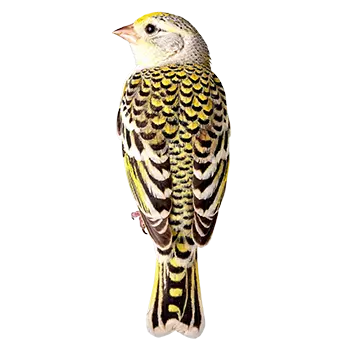

Enrichment for a Lizard Canary looks fundamentally different from enrichment for a parrot, and understanding this distinction is the starting point for choosing the right products. Parrots are manipulative foragers — they use their feet, beaks, and considerable problem-solving intelligence to dismantle, shred, and explore physical objects. Canaries, by contrast, are flight-oriented foragers that interact with their environment primarily through movement, song, and visual exploration rather than tactile manipulation. A Lizard Canary will rarely pick up an object with its foot or spend time dismantling a puzzle toy the way a cockatiel would. Enrichment products chosen without this behavioral context end up ignored, wasting money and cage space.
The most valuable forms of enrichment for canaries center on flight opportunities, foraging behavior, bathing, auditory stimulation, and visual variety. A Lizard Canary that has adequate flight space, opportunities to search for food rather than simply eating from a static dish, regular access to bathing water, and a changing visual environment is a well-enriched bird. The products that support these activities tend to be simpler and less expensive than the elaborate puzzle toys marketed to parrot owners, but their impact on the canary's quality of life is no less significant.
The Lizard Canary's temperament also shapes its enrichment preferences. As a type breed, the Lizard Canary tends to be somewhat more reserved and less bold than some of the song canary varieties. New objects introduced to the cage may be viewed with suspicion before being investigated, and a bird that seems to ignore a new enrichment item may simply need more time to accept its presence. Gradual introduction — placing a new item near but not inside the cage for a day or two before installation — helps cautious individuals acclimate without the stress of having an unfamiliar object suddenly appear in their living space.
Seasonal variation in enrichment needs is worth considering. During the molt, when a Lizard Canary is channeling substantial metabolic resources into feather replacement, the bird may be quieter and less active than usual. This is not the time to introduce stimulating new toys or rearrange the cage. Conversely, during the non-breeding, non-molting months when the bird is in peak condition, increased environmental variety and foraging challenges help channel the bird's energy into productive behavior and reduce the repetitive pacing or feather-pulling that can develop in under-stimulated canaries.