
Nutritional Needs

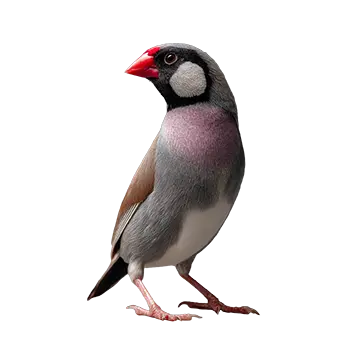
Java Sparrows are primarily granivorous birds with a strong natural preference for paddy rice and other cereal grains. In the wild, they forage across rice paddies and grasslands, consuming a variety of seeds, grains, and occasional insects. This dietary foundation means their captive diet should center on high-quality seed and grain mixes that replicate the caloric density and nutritional profile they would encounter in their native Southeast Asian habitat.

A well-balanced diet for a Java Sparrow should include a base of complex carbohydrates from seeds and grains, supplemented with protein sources, vitamins, and minerals. These birds have relatively high metabolic rates for their size, meaning consistent access to nutrient-dense food is essential. Calcium is particularly important for Java Sparrows, as deficiencies can lead to egg-binding in hens and weakened bones across both sexes.

While seeds form the dietary backbone, Java Sparrows benefit significantly from fresh vegetables, sprouted seeds, and occasional fruit. A seed-only diet, though commonly offered, can lead to nutritional gaps over time — particularly in fat-soluble vitamins and essential amino acids. Owners who diversify their bird's diet tend to see better feather condition, more consistent energy levels, and stronger overall health throughout the bird's life.

Protein requirements increase during molting season and breeding periods. During these times, Java Sparrows naturally seek out insects and protein-rich plant matter. Captive birds should receive supplemental protein through egg food, sprouted legumes, or commercially prepared soft food designed for finches. Monitoring weight during these metabolically demanding periods helps ensure the bird is receiving adequate nutrition.

What to Look For in Seed Mixes

The foundation of a Java Sparrow's diet is a quality seed mix, and not all commercially available blends are created equal. Look for mixes that feature paddy rice or unhulled rice as a primary ingredient, since this is the grain Java Sparrows are physiologically adapted to process. Mixes heavy in millet alone, while acceptable for many finch species, fall short of meeting the specific dietary preferences and nutritional needs of Java Sparrows.

Ingredient transparency matters when evaluating seed products. The best mixes list individual seed types and their approximate proportions rather than hiding behind vague terms like "assorted grains" or "mixed seeds." A good Java Sparrow mix typically includes white millet, canary seed, paddy rice, and small amounts of niger seed or flaxseed for essential fatty acids. Avoid mixes with excessive filler seeds, artificial coloring, or chemical preservatives.

Freshness is another critical factor that many bird owners overlook. Seeds lose nutritional value over time, and stale or improperly stored mixes can harbor mold, mites, or fungal spores. Check packaging dates when available, buy from suppliers with high turnover, and store opened bags in airtight containers in a cool, dry location. A simple germination test — placing a small sample of seeds on a damp paper towel — can reveal whether the seeds are still viable and nutritionally sound.

Pellet-based diets formulated for finches offer a more nutritionally complete alternative to seed mixes and can be introduced as a partial or full dietary replacement. Pellets eliminate the selective feeding behavior common in Java Sparrows, where birds pick out favorite seeds and leave the rest. Transitioning to pellets requires patience and a gradual mixing approach, but many avian veterinarians recommend pellets as the nutritional gold standard for captive finches.

Recommended Dry Food Approaches

When selecting dry food products for Java Sparrows, prioritize formulations specifically designed for finches or small seed-eating birds rather than generic "bird food" blends intended for parakeets or larger species. Finch-specific products account for the smaller beak size and different nutritional requirements of Java Sparrows, offering appropriately sized seeds and grain pieces that the bird can hull and consume efficiently.

A blended approach often works best for Java Sparrows — combining a high-quality seed mix with a portion of formulated pellets. This strategy provides the foraging satisfaction and dietary variety that seed offers alongside the nutritional completeness of pellets. A common ratio to start with is roughly sixty percent seed mix to forty percent pellets, adjusting based on the individual bird's preferences and body condition.

Dry egg food is another valuable staple to keep on hand, especially during molting and breeding seasons. These crumbly, protein-rich preparations are designed to supplement a seed-based diet with amino acids, vitamins, and minerals that seeds alone cannot provide. Egg food can be offered in a separate dish a few times per week during normal periods and daily during times of heightened nutritional demand.

Grit and mineral supplements, while sometimes controversial among avian care experts, serve an important role for seed-eating species like the Java Sparrow. Soluble grit sources such as crushed cuttlebone and oyster shell provide calcium and aid in digestion. Insoluble grit, like fine-grade granite, helps the gizzard grind whole seeds. Offering both types in a small dedicated dish allows the bird to self-regulate its intake based on physiological need.

Fresh & Sprouted Options

Fresh foods add essential vitamins and dietary variety that dry seed alone cannot deliver. Java Sparrows generally accept dark leafy greens such as kale, spinach, dandelion greens, and romaine lettuce. These should be washed thoroughly, offered in small portions clipped to the cage bars or placed in a shallow dish, and removed within a few hours to prevent spoilage. Introducing greens early in a bird's life increases the likelihood of acceptance, though even adult birds can be gradually acclimated.

Sprouted seeds represent one of the most nutritionally potent foods you can offer a Java Sparrow. The sprouting process transforms a dormant seed into a living plant, dramatically increasing its vitamin content — particularly vitamins A, C, and E — while reducing fat content and improving protein bioavailability. Sprouting at home is straightforward: soak seeds overnight, rinse twice daily, and offer once small tails appear, typically within two to three days.

Fruits can be offered sparingly as treats. Java Sparrows may enjoy small pieces of apple, pear, banana, or berries. Because fruit is relatively high in sugar compared to greens and seeds, it should constitute only a minor portion of the diet — a few small pieces offered two or three times per week is sufficient. Remove uneaten fruit promptly to prevent bacterial growth in the cage.

Vegetables like grated carrot, broccoli florets, and cucumber provide additional micronutrients and hydration. The key to success with fresh foods is persistence and variety. A Java Sparrow may ignore a new food item several times before tentatively trying it. Presenting fresh options alongside familiar favorites, and varying the preparation — whole leaves versus chopped, for example — increases the chance the bird will incorporate these healthier options into its routine.

Treats & Supplements

Treats serve a dual purpose for Java Sparrows: they provide nutritional supplementation and strengthen the bond between bird and keeper. Millet sprays are a universally popular treat among finches and can be offered a few times per week without significantly unbalancing the diet. Hanging a spray inside the cage also encourages natural foraging behavior as the bird works to extract individual seeds from the stalk.

Calcium supplementation is non-negotiable for Java Sparrows, particularly for breeding hens. Cuttlebone should be available at all times, mounted within easy reach of the bird's preferred perching spots. Mineral blocks offer an alternative calcium source along with trace minerals like iodine, zinc, and iron. Some keepers also provide liquid calcium supplements added to the water supply during breeding season, though this approach requires careful dosing to avoid over-supplementation.

Vitamin supplements designed for cage birds can help fill nutritional gaps, especially for birds on primarily seed-based diets. Water-soluble vitamin preparations are the most common delivery method, though they require daily water changes to remain effective and uncontaminated. Powdered supplements dusted onto moist fresh foods offer an alternative that avoids altering the water supply. Consult an avian veterinarian before starting any supplementation regimen to ensure it addresses actual deficiencies rather than creating imbalances.

Probiotics formulated for birds have gained popularity as a means of supporting digestive health and immune function. These products introduce beneficial bacteria into the gut, which can be especially valuable after antibiotic treatment or during stressful periods like relocation or introduction to a new flock. Probiotic supplements are typically offered through drinking water or sprinkled over soft food.

Foods to Avoid

Several common foods pose serious health risks to Java Sparrows and should never be offered under any circumstances. Avocado is toxic to virtually all bird species, as it contains persin, a fungicidal compound that can cause respiratory distress, cardiac damage, and death even in small quantities. Chocolate and caffeine are similarly dangerous, acting as stimulants that a bird's small body cannot safely metabolize.

Allium family vegetables — onions, garlic, leeks, and chives — contain compounds that can damage red blood cells in birds, potentially leading to anemia. While small incidental exposure may not cause immediate symptoms, cumulative or repeated exposure increases the risk of serious harm. It is best to eliminate these items entirely from any food preparation area where bird food is handled.

High-salt and high-sugar foods intended for human consumption should be kept away from Java Sparrows. Even seemingly harmless items like salted crackers, chips, or sweetened cereals can disrupt electrolyte balance and contribute to kidney stress in birds. Similarly, fruit seeds and pits from apples, cherries, peaches, and apricots contain trace amounts of cyanide compounds and should be removed before offering any fruit.

Moldy or spoiled food is an often-underestimated hazard. Birds are highly susceptible to aspergillosis and other fungal infections that can be contracted through contaminated food. Seed mixes that smell musty, look clumped, or show visible mold growth should be discarded immediately. Fresh foods left in the cage for more than a few hours — especially in warm environments — become breeding grounds for harmful bacteria and should be removed and replaced with fresh portions.

Feeding Schedule & Portions

Java Sparrows do best with consistent feeding routines that align with their natural activity patterns. In the wild, these birds forage most actively during the early morning and late afternoon hours. Offering fresh seed and any supplemental foods in the morning — ideally around the same time each day — allows the bird to eat during its most metabolically active period and establishes a predictable routine that reduces stress.

Portion control requires a balance between ensuring adequate food availability and preventing waste or selective feeding. A general guideline is roughly one to two teaspoons of seed mix per bird per day, adjusted based on the bird's size, activity level, and whether it is molting or breeding. Monitoring the food dish is important — Java Sparrows hull their seeds before eating, and a dish that appears full may actually contain mostly empty husks. Blowing gently across the dish surface or using a small sieve removes spent hulls and reveals the actual remaining seed volume.

Fresh water should be available at all times and changed at least once daily — more frequently if supplements are added or if the bird bathes in its water dish, which Java Sparrows are prone to doing. Water containers should be positioned away from food dishes and perches to minimize contamination from droppings or discarded seed hulls. Tube-style water dispensers can help maintain cleaner water compared to open dishes.

Weekly weight monitoring using a small digital gram scale provides the most reliable indicator of whether a Java Sparrow's diet is meeting its needs. A healthy adult Java Sparrow typically weighs between 24 and 30 grams, though individual variation exists. Sudden weight loss can signal illness or dietary inadequacy, while steady weight gain may indicate overfeeding or insufficient exercise. Keeping a simple weight log helps identify trends before they become health concerns.

Always consult a qualified professional before making any health-related decisions. This content is provided for informational reference only and should not replace professional guidance specific to your animal.