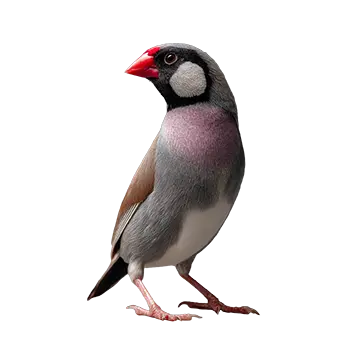

Java Sparrows are active, flight-oriented birds that need considerably more horizontal cage space than their compact size might suggest. Unlike hookbills that climb and explore vertically, finches like the Java Sparrow spend most of their time flying back and forth between perches. A minimum cage size of 30 inches long by 18 inches deep by 18 inches tall is recommended for a single pair, though larger is always better. The emphasis should be on length rather than height, as horizontal flight distance matters far more for finch species.
For keepers housing a small flock — which is ideal given the Java Sparrow's social nature — a flight cage measuring at least 48 inches in length provides adequate room for multiple birds to fly, perch, and maintain personal space. Overcrowding leads to stress, feather plucking, aggression, and increased disease transmission. A good rule of thumb is to add roughly 12 inches of cage length for each additional pair of birds beyond the first.
Bar spacing is a critical safety consideration that is easy to overlook. Java Sparrows require bar spacing no wider than half an inch. Wider spacing risks head entrapment, which can result in injury or death. Horizontal bar orientation on at least two sides of the cage provides climbing opportunities, though Java Sparrows rely on flight far more than climbing compared to parrots.
Cage placement within the home significantly impacts the bird's comfort and sense of security. Position the cage at chest height in a well-lit room with natural light, but away from direct sunlight that could cause overheating. Avoid kitchens, where cooking fumes — particularly from nonstick coatings — pose a lethal respiratory hazard. A location against a wall or in a corner gives the birds a sense of security by limiting exposure from multiple sides.