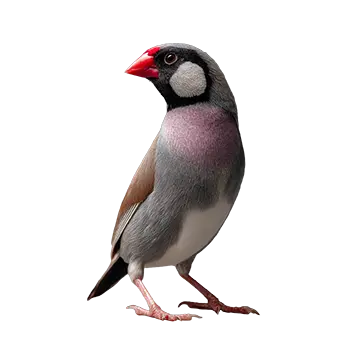

Play Style & Enrichment Needs

Java Sparrows interact with their environment differently than parrots and hookbills, and understanding their natural play style is essential for choosing appropriate enrichment. These are not birds that manipulate objects with their feet or shred toys with powerful beaks. Instead, Java Sparrows engage with their surroundings through flight, hopping, foraging, social interaction, and vocal communication. Enrichment strategies should support these natural behaviors rather than mimicking parrot-centric toy designs.

The primary enrichment need for a Java Sparrow is space to fly. No toy or accessory can substitute for adequate flight distance within the enclosure. Once this foundational need is met, supplemental enrichment focuses on foraging complexity, environmental variety, and social stimulation. A Java Sparrow housed alone with a single perch and a seed dish leads a profoundly understimulating life, regardless of how many plastic toys hang from the cage bars.

Java Sparrows are observant, curious birds that notice changes in their environment and often investigate new objects cautiously before engaging with them. This means new toys or enrichment items may be ignored or avoided for several days before the bird approaches them. Patience is key — removing an ignored item too quickly deprives the bird of the opportunity to acclimate. Rotating enrichment items on a weekly or biweekly schedule maintains novelty without overwhelming the bird.

Social enrichment cannot be overstated for this species. A companion Java Sparrow or small flock provides constant interactive stimulation through mutual preening, contact calls, synchronized movement, and communal roosting. For keepers who maintain a single bird, regular out-of-cage time in a bird-safe room, gentle vocal interaction, and visual access to household activity help compensate for the absence of avian companionship.

Swings & Movement Toys

Swings are among the most reliably enjoyed toys for Java Sparrows. A simple wooden or rope swing mounted inside the cage provides a dynamic perching surface that engages the bird's balance and core muscles. Java Sparrows often develop a visible preference for swing perching over stationary perches, spending significant time gently rocking and preening on their swing. Choose swings sized for finches — smaller diameter perching bars and compact overall dimensions that fit comfortably within the cage without obstructing flight paths.

Rope spirals and boing-style perches offer another form of movement-based enrichment. These coiled rope perches flex and bounce as the bird moves along them, providing unpredictable surface dynamics that stimulate balance and coordination. When selecting rope toys, ensure the material is tightly woven with no loose threads or fraying fibers that could entangle tiny finch toes or be ingested.

Ladders and stair-step perch arrangements encourage hopping behavior, which is a natural movement pattern for Java Sparrows. Small wooden or bamboo ladders positioned at gentle angles give birds additional pathways through their cage environment. These are particularly useful in taller cages where vertical movement options supplement horizontal flight, though they should never replace adequate horizontal space.

Bells attached to perches or hung from the cage top provide auditory feedback that some Java Sparrows find engaging. Small stainless steel bells are the safest option — avoid jingle bells with open seams where toes or beaks can become trapped. Not all Java Sparrows interact with bells, and some may be startled by the sound initially. Observe your bird's reaction and remove bell toys if they cause sustained stress rather than curiosity.

Foraging & Puzzle Enrichment

Foraging enrichment is arguably the most impactful category of toy for finch species. In the wild, Java Sparrows spend a substantial portion of their day searching for and processing food across rice paddies and grasslands. A captive bird with an open dish of seed completes its daily foraging in minutes, leaving hours of unoccupied time. Foraging toys extend this process, providing mental stimulation and more natural feeding behavior.

Simple foraging setups are often the most effective for Java Sparrows. Scattering seeds across a shallow tray of clean pebbles, crumpled paper, or dried grass forces the bird to search and sort through material to find its food. This basic technique costs almost nothing to implement and can be varied daily by changing the hiding medium. Small foraging cups with lids or partial covers also work well — the bird learns to access food through restricted openings.

Commercially available foraging wheels, seed balls, and treat-dispensing toys designed for small birds can be effective, though not all finch-sized foraging products are well-designed. Look for toys that match the Java Sparrow's beak strength and size — products made for parrots are often too large, too sturdy, or require manipulations that finches cannot perform. The best finch foraging toys use simple mechanical principles like rolling, tilting, or pulling to release seed rewards.

Sprouted seed trays and small potted wheatgrass or millet plantings offer living foraging enrichment. Placing a shallow tray of sprouted seeds or a small pot of growing grass inside the cage or aviary allows birds to forage from a natural food source, picking seeds directly from stalks and tearing at green shoots. This type of enrichment engages multiple senses — visual, tactile, and gustatory — and closely replicates the wild feeding experience.

Bathing & Water Play

Bathing is one of the most enthusiastic activities Java Sparrows engage in, and providing regular bathing opportunities constitutes a significant form of enrichment. A shallow dish of lukewarm water placed on the cage floor or clipped to the cage door triggers vigorous splashing, wing fluttering, and preening sessions that can last several minutes. The bath dish should be heavy enough to resist tipping and shallow enough — roughly one inch of water depth — to prevent any drowning risk.

Dedicated bird bath enclosures that attach to the cage door offer the advantage of containing splash water outside the cage, keeping substrate and food dishes dry. These enclosed bath houses feature a small pool area with high walls or a covered top that confine the mess while allowing the bird to bathe freely. They are particularly useful for keepers who find daily cage floor changes burdensome due to bath-related moisture.

The frequency of bath offerings depends on the bird's preference and the ambient humidity of the home. Most Java Sparrows appreciate daily or every-other-day bathing access, though individual preferences vary. Some birds prefer to bathe in the morning, while others are more receptive in the afternoon. Observing when your bird shows interest — fluffing feathers near water sources or dipping its head into the water dish — helps identify the optimal bathing schedule.

Misting with a clean spray bottle filled with plain lukewarm water provides an alternative bathing experience that simulates tropical rainfall. Many Java Sparrows enjoy gentle misting and will spread their wings and fluff their feathers to maximize moisture contact. Always allow the bird to move away if it shows signs of discomfort, and avoid misting in cold or drafty environments where a wet bird could become chilled.

Environmental & Sensory Enrichment

Beyond physical toys, environmental enrichment involves modifying the bird's surroundings to provide varied sensory experiences. Rearranging perches, moving the food station to a different cage location, or adding a new branch every few weeks creates subtle environmental changes that stimulate exploration and prevent the behavioral stagnation that comes from an unchanging habitat.

Visual stimulation matters more to birds than many keepers realize. Positioning the cage near a window where the bird can observe outdoor activity — passing birds, moving trees, changing weather — provides hours of passive engagement. A bird-safe mirror placed outside the cage can capture the attention of some Java Sparrows, though mirrors should be used cautiously as some birds become overly fixated on their reflection or display stress behaviors in response.

Auditory enrichment is particularly relevant for Java Sparrows, which are vocal birds with complex song patterns. Playing recordings of natural birdsong, gentle instrumental music, or ambient nature sounds at low volume can stimulate vocalization and create a more dynamic acoustic environment. Male Java Sparrows in particular may respond to recorded Java Sparrow songs by practicing and refining their own vocalizations, which is a natural and healthy behavioral response.

Natural materials introduced into the cage provide textural variety and investigative opportunities. Small bundles of dried grass, untreated willow sticks, palm frond strips, or cork bark pieces give Java Sparrows objects to explore, pick at, and rearrange. These materials are inexpensive, safe, and biodegradable. Replace them regularly as they become soiled or degraded, maintaining a rotation of fresh natural items that keep the cage environment interesting.

DIY & Budget Options

Many of the most effective enrichment items for Java Sparrows can be created at home with minimal expense. A toilet paper roll stuffed with shredded paper and a few seeds creates an instant foraging toy that costs nothing. Small wicker baskets or vine balls — available inexpensively at craft stores — can be filled with treats and hung in the cage as foraging challenges. The key is using only untreated, uncolored, non-toxic materials that are safe if the bird chews or ingests small amounts.

DIY perch-making from bird-safe tree branches is both cost-effective and superior to many commercial offerings. Branches from apple, pear, elm, maple, or birch trees can be cut to size, scrubbed clean, and baked at a low temperature for about an hour to eliminate any parasites or mold. The natural irregular shape and bark texture provide better foot exercise than uniform manufactured perches and can be replaced frequently at no cost.

Sprouting seeds at home for foraging trays is one of the simplest and most rewarding DIY enrichment projects. A shallow container, some seed mix, and daily rinsing produce a tray of living sprouts within days that provide both nutrition and foraging entertainment. Rotating between different seed types — millet, canary seed, flax — creates variety in both the growing medium and the foraging experience.

Creating a dedicated bird-safe play area outside the cage extends enrichment beyond the enclosure walls. A simple tabletop play stand made from a wooden base with attached branches provides an out-of-cage exploration zone for supervised free-flight time. Ensure the room is fully bird-proofed — windows covered, ceiling fans off, no open water, no toxic plants, no other pets with access — before allowing any out-of-cage time. These supervised sessions provide exercise, environmental change, and bonding opportunities that dramatically improve quality of life.

Always consult a qualified professional before making any health-related decisions. This content is provided for informational reference only and should not replace professional guidance specific to your animal.