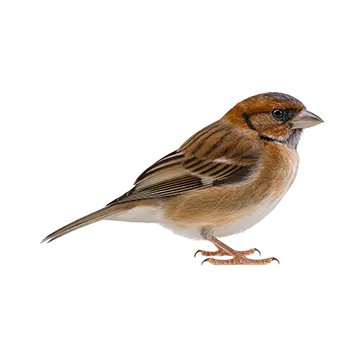

Society Finches interact with their environment very differently from parrots and other hookbill species. They do not manipulate objects with their feet, rarely chew destructively, and show little interest in the puzzle toys and foraging boxes that are staples of parrot enrichment. Instead, their enrichment needs center around flight, social interaction, foraging through substrate, and exploring novel objects and textures in their environment.
The most important form of enrichment for Society Finches is the company of other finches. A lone Society Finch in a cage full of expensive toys will be less stimulated than a pair of birds in a bare flight cage. Social dynamics — preening, calling, roosting together, and the subtle negotiations of flock hierarchy — provide a baseline of mental engagement that no product can replace. Toys and enrichment items are supplements to a social environment, not substitutes for it.
That said, environmental variety matters. A static cage with the same perches in the same positions and the same food in the same dish every day becomes monotonous, and finches in unchanging environments can become lethargic and withdrawn. Rotating perch positions, introducing new textures, and varying the way food is presented are simple strategies that keep the environment fresh without requiring a constant stream of new purchases.
When evaluating toys and enrichment products, safety is the primary concern. Finches are small and fragile, and items designed for larger birds can pose entanglement, strangulation, or ingestion hazards. Look for products specifically sized for finches or canaries, and inspect any item for loose threads, sharp edges, or small parts that could be swallowed before placing it in the cage.