
Nutritional Needs

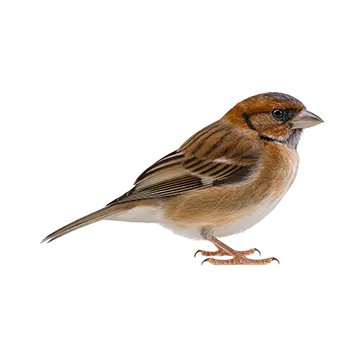
Society Finches are granivorous birds whose diet in captivity should closely mirror the variety of seeds and plant matter they would encounter in a natural setting. Their small size and high metabolic rate mean they need consistent access to nutrient-dense food throughout the day. A well-balanced diet supports feather quality, reproductive health, and the kind of lively social behavior these birds are known for.

The foundation of a Society Finch diet is a quality seed mix built around small millets, canary grass seed, and occasional additions like flax or niger seed. However, seed alone does not provide complete nutrition. These birds benefit significantly from daily offerings of fresh greens, vegetables, and egg food, particularly during breeding season when protein and calcium demands spike.

Calcium is a critical nutrient for all finches but especially for breeding hens, who can quickly become depleted without supplemental sources. Cuttlebone, crushed oyster shell, and mineral blocks should be available at all times. Vitamin supplementation through water-soluble products can help fill gaps, though a varied whole-food diet remains the best insurance against deficiency.

Because Society Finches are colony birds typically kept in groups, feeding stations should be designed to minimize competition. Multiple food dishes placed at different heights and locations in the enclosure ensure that subordinate birds get adequate access to nutrition without being crowded out by more dominant flock members.

What to Look For in Seed Mixes

Not all finch seed mixes are created equal, and the differences between a premium blend and a budget option can have a meaningful impact on your birds' health over time. The best mixes use a variety of small millets — white, red, and Japanese millet — as the base, supplemented with canary grass seed and small amounts of oilier seeds like niger and flax for energy and feather conditioning.

Freshness is one of the most overlooked factors when selecting seed. Stale or improperly stored seed loses nutritional value and can harbor mold or bacteria. Look for mixes that are vacuum-sealed or nitrogen-flushed, and check for any musty odors or excessive dust when you open the bag. If the seed looks uniformly dull or has visible debris, it is likely old stock.

Avoid mixes that are heavily padded with filler seeds like oat groats or large sunflower seeds, which Society Finches cannot easily crack and will simply discard. A good test is to observe how much waste accumulates at the bottom of the food dish after a day — if your birds are pushing aside more than they eat, the blend likely contains too many unsuitable ingredients.

Some keepers prefer to buy individual seed types in bulk and create custom blends tailored to their flock's preferences and nutritional needs. This approach gives you full control over ratios and freshness, though it requires a bit more knowledge about each seed type's nutritional profile and storage requirements.

Recommended Dry Food Options

Pelleted diets formulated for finches offer a more nutritionally complete alternative to loose seed mixes, since each pellet contains a balanced ratio of vitamins, minerals, and macronutrients. This eliminates the selective feeding problem where birds pick out their favorite seeds and leave the rest, resulting in an unbalanced intake.

Transitioning Society Finches from seed to pellets can be a gradual process that requires patience. Most avian nutritionists recommend mixing a small percentage of pellets into the existing seed mix and slowly increasing the ratio over several weeks. During this transition, monitor your birds' weight and droppings to ensure they are actually consuming the pellets rather than simply ignoring them.

For keepers who prefer to stick with seed-based diets, fortified seed mixes offer a middle ground. These products coat the seed hulls with added vitamins and minerals, though much of the supplementation is lost when the bird hulls the seed before eating. They are better than unfortified mixes but not as reliable as pellets for delivering consistent nutrition.

Many experienced finch breeders use a combination approach — offering a base of quality seed mix alongside a small dish of pellets, with fresh foods and egg food rotated in daily. This strategy provides variety, ensures nutritional coverage, and keeps the birds mentally engaged with their food.

Fresh Foods and Egg Food

Fresh vegetables and greens are an essential part of a complete Society Finch diet, providing vitamins, minerals, and moisture that dry seed cannot match. Dark leafy greens like kale, dandelion greens, romaine lettuce, and spinach in moderation are excellent choices. Finely chopped broccoli, grated carrot, and small pieces of cucumber are also well-received by most finches.

Egg food is a staple supplement in finch keeping, particularly during breeding and molting periods when protein demands are highest. Commercial egg food products are widely available and convenient, though many breeders prefer to make their own by combining hard-boiled egg — shell included for calcium — with fine breadcrumbs or cooked quinoa. Homemade egg food should be prepared fresh and removed from the cage within a few hours to prevent spoilage.

Sprouted seeds are another outstanding fresh food option that dramatically increases the nutritional value of ordinary dry seed. The sprouting process converts starches into more digestible sugars and significantly boosts vitamin and enzyme content. Small millets and canary seed sprout easily with a simple rinse-and-drain method over two to three days. Hygiene is critical during sprouting — rinse the seeds thoroughly at least twice daily and discard any batches that develop an off smell.

Fruit can be offered in small quantities as an occasional treat, though it should not form a major part of the diet due to its sugar content. Thin slices of apple, pear, or melon are generally enjoyed, while citrus fruits should be offered sparingly. Always remove uneaten fresh foods within a few hours, especially in warm weather, to prevent bacterial growth.

Treats and Supplements

Treats serve a dual purpose for Society Finches — they provide nutritional variety and create opportunities for enrichment and natural foraging behavior. Spray millet is the classic finch treat and remains one of the best options available. Hung from the cage bars or clipped to a perch, a spray millet branch encourages birds to work for their food in a way that mimics natural feeding behavior.

Mineral supplements are non-negotiable for finch health. A cuttlebone or mineral block should be permanently available in the enclosure, and many keepers also provide a small dish of fine grit or crushed oyster shell. Finches use grit to help grind food in their gizzard, though the necessity of grit for hull-removing species like finches is debated among avian veterinarians. Offering it and letting the birds self-regulate is the safest approach.

Water-soluble vitamin supplements can be added to the drinking water on a rotating schedule, typically a few days per week rather than daily. Look for formulations specifically designed for cage birds, and be aware that vitamins degrade quickly in water exposed to light and warmth — change supplemented water at least twice daily. Some keepers prefer powdered supplements sprinkled over wet foods like egg food or chopped greens, which avoids the stability issues associated with water supplementation.

Probiotics and digestive support products formulated for birds are gaining popularity among finch keepers, particularly for flocks that have experienced digestive issues or have been through antibiotic treatment. These supplements help maintain healthy gut flora and can improve nutrient absorption. They are typically added to soft food or drinking water according to the manufacturer's guidelines.

Foods to Avoid

Several common foods are toxic or harmful to Society Finches and should never be offered under any circumstances. Avocado tops the list — every part of the avocado plant, including the flesh, contains persin, which is highly toxic to birds and can cause respiratory distress, heart failure, and death even in small amounts.

Chocolate, caffeine, and alcohol are all dangerous to finches, as they are to most companion animals. Onion and garlic contain compounds that can damage red blood cells in birds, leading to anemia with repeated exposure. Raw or dried beans contain hemagglutinin, a toxin that is neutralized by thorough cooking but deadly in its raw form.

Excessively salty, sugary, or fatty human foods should be kept away from finches entirely. These birds have tiny bodies with fast metabolisms, and even small amounts of junk food can cause digestive upset, obesity, or organ damage over time. Processed foods, fried foods, and anything containing artificial sweeteners — particularly xylitol — are all off the table.

Pesticide contamination is a less obvious but equally serious concern. Any fresh produce offered to finches should be thoroughly washed, and ideally sourced from organic growers. Finches are far more sensitive to chemical residues than larger animals due to their body weight. Wild-collected greens and weeds can be an excellent food source but should only be gathered from areas you are certain have not been treated with herbicides, pesticides, or fertilizers.

Feeding Schedule and Presentation

Society Finches are active foragers that benefit from having food available throughout the day rather than being fed on a strict meal schedule. Their high metabolism means they need to eat frequently, and going without food for even half a day can be stressful and potentially dangerous, especially for smaller or younger birds. A full seed dish should be accessible at all times, topped off or refreshed each morning.

One common mistake among new finch keepers is failing to recognize that a full-looking seed dish may actually be empty. Finches hull their seeds before eating, and the discarded hulls accumulate on top of the remaining seed, creating the illusion of a full dish. Blowing gently across the surface of the dish each day removes the empty hulls and reveals the actual seed level underneath — a simple habit that can prevent accidental starvation.

Fresh foods, egg food, and sprouted seeds should be offered in a separate dish during the morning hours, giving birds several hours to forage before the food is removed. This mimics the natural pattern of morning feeding activity and ensures perishable items do not sit in the cage long enough to spoil. In warm climates or heated rooms, reduce the window to two or three hours.

For colony setups with multiple birds, providing several feeding stations spread across the enclosure reduces competition and ensures all flock members get adequate nutrition. Dominant birds may guard a single food source, so redundancy is key. Placing dishes at varying heights also encourages natural movement and exploration, turning mealtime into a low-key enrichment opportunity.

Always consult a qualified professional before making any health-related decisions. This content is provided for informational reference only and should not replace professional guidance specific to your animal.