
Space Requirements

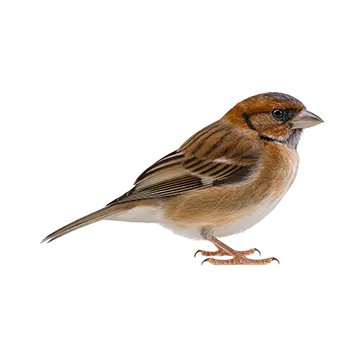
Society Finches are active, flight-oriented birds that need horizontal space far more than vertical height. Unlike parrots that climb and hang, finches spend their day darting back and forth between perches, and a cage that allows sustained short flights is essential to their physical and psychological health. The minimum recommended size for a pair of Society Finches is 24 inches wide by 14 inches deep by 18 inches tall, though larger is always better.

For small flocks of four to six birds — which is the ideal social configuration for this species — a flight cage measuring at least 30 to 36 inches in width provides enough room for natural flight patterns and social dynamics to play out without stress. Finches that are chronically cramped often develop feather-picking habits, aggression toward cage mates, and general lethargy that undermines their quality of life.

Bar spacing is a critical safety consideration that is sometimes overlooked by new keepers. Society Finches require bar spacing no greater than half an inch. Anything wider creates an escape risk or, worse, a situation where a bird can wedge its head between the bars and injure itself. Cages marketed for parakeets or cockatiels typically have wider spacing and are not suitable without modification.

Placement within the home matters as much as the cage itself. Finches do best in a well-lit room with natural light cycles, positioned away from drafts, direct sun exposure, and kitchen fumes. The cage should be elevated to at least chest height — birds feel vulnerable when positioned at floor level — and placed against a wall on at least one side to provide a sense of security.

Cage Types and Construction

Flight cages are the standard choice for Society Finches, and for good reason. Their elongated, rectangular shape prioritizes the horizontal dimension that finches actually use. A well-designed flight cage provides multiple landing points across its width and enough clearance for birds to fly in short bursts without constantly colliding with the walls or each other.

Powder-coated steel is the preferred cage material for durability and safety. Avoid cages made with zinc-coated or galvanized wire, as finches can ingest zinc particles during normal beak-rubbing behavior, leading to heavy metal poisoning over time. Stainless steel cages are the gold standard in terms of safety and longevity but come at a significantly higher price point. If budget is a concern, a quality powder-coated cage is a perfectly safe and practical alternative.

Removable bottom trays and slide-out grate systems make daily cleaning dramatically easier and are worth prioritizing when comparing cage options. A cage that requires you to reach in and disassemble components for every cleaning session will inevitably lead to less frequent maintenance, which compromises your birds' respiratory health. Look for designs with large, easy-access doors as well — you will need to reach every corner of the cage for perch placement, nest box installation, and general upkeep.

Acrylic and glass-fronted enclosures designed for finches are available and offer excellent visibility along with reduced seed scatter and feather dust in the surrounding room. However, ventilation is a critical concern with enclosed designs. Ensure that any solid-sided enclosure has adequate airflow panels or mesh sections to prevent stale air and humidity buildup.

Perches and Interior Layout

Perch selection and placement have a direct impact on your Society Finches' foot health, flight patterns, and overall comfort. Natural wood branches of varying diameters are the best perch option, as they exercise the feet and prevent the pressure sores that develop from gripping a single uniform dowel all day. Branches from bird-safe trees such as apple, willow, elm, and manzanita work well and can be sourced from your yard or purchased pre-cut.

Avoid placing perches directly above food and water dishes, as droppings will contaminate the contents below. Similarly, avoid positioning perches so close together that birds cannot fly between them — the goal is to create a circuit of landing spots that encourages movement across the full width of the cage. Two or three well-placed perches are better than a cage cluttered with so many that flight becomes impossible.

Sandpaper perch covers, once widely recommended, are now recognized as harmful to finch feet and should be avoided entirely. The abrasive surface causes irritation and sores on the delicate skin of the foot pads. Concrete or mineral perches can be used sparingly — one per cage — as a supplemental perch that helps keep nails naturally trimmed, but they should never be the primary resting spot.

Society Finches are colonial nesters and will seek out enclosed spaces to roost and breed. Even if you are not breeding, providing a couple of wicker or bamboo nest baskets gives the birds a sense of security and a place to huddle together at night. These nesting spots should be positioned high in the cage, as finches instinctively prefer elevated roosting sites.

Aviaries and Outdoor Enclosures

For keepers with the space and climate to support it, an outdoor aviary is the ultimate housing upgrade for Society Finches. A planted aviary with live grasses, shrubs, and natural perching provides an environment that is as close to natural as captive life can offer, and the behavioral difference in birds kept in aviaries versus standard cages is dramatic. Colony dynamics flourish, breeding behavior normalizes, and the birds' overall vitality is visibly enhanced.

Outdoor aviaries must be fully enclosed with appropriate mesh to prevent escape and protect against predators. Hardware cloth with half-inch spacing is the standard for finch aviaries. Chicken wire is not sufficient — it does not stop snakes, mice, or determined predators like raccoons and cats, all of which pose serious threats to small birds. The aviary roof should be partially solid to provide shade and rain shelter while still allowing natural light.

Indoor aviaries and walk-in flight enclosures are an excellent alternative for keepers in climates where year-round outdoor housing is impractical. These can be built as permanent room dividers, converted closets, or purpose-built enclosures using welded wire panels and aluminum framing. The key advantage is the dramatic increase in flight space compared to even the largest tabletop cage.

Whether indoor or outdoor, any aviary should include a double-door or airlock entry system to prevent birds from escaping when you enter. This is a simple design feature — an outer door that closes before the inner door opens — but it is indispensable for managing a colony of fast, flight-capable birds that will dart toward any opening.

Climate Considerations

Society Finches are reasonably adaptable to a range of indoor temperatures, but they are tropical in origin and do best in environments that stay between 65 and 80 degrees Fahrenheit. Sudden temperature drops, cold drafts, and prolonged exposure to temperatures below 60 degrees can compromise their immune system and trigger respiratory illness. If you keep birds in an unheated room during winter, supplemental heating such as a ceramic heat emitter or radiant panel designed for avian use may be necessary.

Humidity is an often-neglected aspect of finch housing, particularly in homes with forced-air heating that dries out the indoor environment during colder months. Society Finches benefit from moderate humidity levels between 40 and 60 percent. Excessively dry air can lead to feather issues and respiratory irritation, while excessive humidity promotes mold and bacterial growth in bedding and nest material. A simple room hygrometer placed near the cage helps you monitor conditions.

Lighting plays a significant role in finch health and behavior. Society Finches need a consistent day-night cycle of approximately 12 hours of light and 12 hours of darkness to maintain healthy hormone levels and sleep patterns. Full-spectrum avian lighting that simulates natural sunlight is beneficial, particularly for birds housed in rooms with limited natural light. These lights should be on a timer to ensure consistency.

Air quality is a critical and sometimes invisible concern. Finches have extremely sensitive respiratory systems, and exposure to aerosol sprays, scented candles, non-stick cookware fumes, cigarette smoke, and strong cleaning chemicals can cause severe respiratory distress or death. The room housing your finches should be treated as a clean-air zone, with ventilation that introduces fresh air without creating drafts.

Multi-Bird and Mixed-Species Setups

Society Finches are among the most peaceable aviary birds available, and they thrive in the company of their own kind. A group of four to six Society Finches in an appropriately sized flight cage or aviary will display a rich repertoire of social behaviors — mutual preening, communal roosting, and the soft chorus of calls and songs that makes this species such a rewarding one to keep. Keeping a single Society Finch in isolation is strongly discouraged, as it can lead to depression and stress-related health problems.

Mixed-species setups are popular among finch enthusiasts, and Society Finches are generally excellent candidates for community aviaries due to their non-aggressive temperament. They coexist well with other small, peaceful finch species such as Zebra Finches, Star Finches, and Owl Finches. However, mixing with more assertive species like Java Sparrows or Weavers can result in the Society Finches being bullied or displaced from food and nesting sites.

When housing multiple pairs or a mixed flock, the enclosure size must scale accordingly. Overcrowding is the single most common cause of aggression, stress, and disease transmission in colony setups. A good guideline is to provide at least double the minimum cage size per additional pair, and to include more nesting sites than there are pairs to reduce competition for prime spots.

Observe your flock closely during the first few weeks of any new introduction. Watch for signs of persistent chasing, feather plucking, or birds being excluded from food and water access. Society Finches are generally adaptable, but individual personalities vary, and occasional rehoming or separation may be necessary to maintain a harmonious colony.

Always consult a qualified professional before making any health-related decisions. This content is provided for informational reference only and should not replace professional guidance specific to your animal.