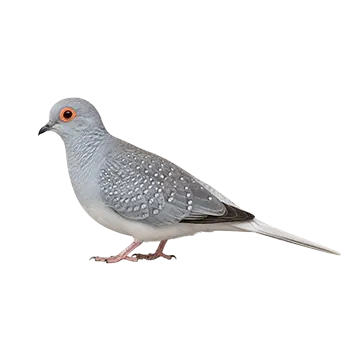

Nutritional Needs

Diamond Doves are small granivorous birds whose dietary needs differ considerably from those of larger parrot species. Their primary caloric intake comes from small seeds, and their digestive systems are optimized for processing hulled grains rather than pellets or fruit-heavy diets. Understanding their specific metabolic requirements is the first step toward selecting the right food products.

Because Diamond Doves are relatively sedentary compared to hookbills, their caloric needs are modest. Overfeeding fatty seeds like sunflower or safflower can quickly lead to obesity and liver problems. A balanced diet for these birds centers on a base of small millets and finch-grade seeds, supplemented with greens and mineral sources to round out their nutritional profile.

Calcium is particularly important for Diamond Doves, especially for hens that may produce eggs even without a mate. A calcium deficiency can lead to egg binding, a potentially fatal condition. Providing a consistent source of calcium through grit, cuttlebone, or mineral blocks should be considered an essential part of the diet rather than an optional supplement.

Protein requirements increase during molting and breeding periods. During these times, offering egg food or finely chopped hard-boiled eggs can help meet elevated protein demands without resorting to insect-based supplements that doves typically ignore. Monitoring your bird's weight and feather condition will help you gauge whether dietary adjustments are needed.

What to Look For in Seed Mixes

The foundation of a Diamond Dove's diet should be a high-quality small seed mix. Look for blends that feature white proso millet, red millet, canary grass seed, and small amounts of niger seed as primary ingredients. Avoid mixes marketed broadly as "wild bird food" or those containing large seeds like striped sunflower, corn kernels, or peanut pieces, as Diamond Doves cannot efficiently crack or digest these.

Freshness matters significantly with seed-based diets. Seeds that have been stored improperly or for too long lose nutritional value and may harbor mold or insects. When evaluating a seed mix, check for a clean appearance, a mild grassy smell, and the absence of dust or debris at the bottom of the bag. If seeds fail to sprout when placed on a damp paper towel, they are likely too old to offer meaningful nutrition.

Some keepers prefer to buy individual seed types and create custom blends. This approach allows you to control ratios and ensure freshness, but it requires some knowledge of nutritional content. A good starting ratio for Diamond Doves is roughly sixty percent white proso millet, twenty percent canary seed, ten percent red millet, and ten percent mixed small seeds like flax or niger. Adjust based on your bird's preferences and condition.

Avoid seed mixes that include artificial coloring, flavoring, or sugar-coated seeds. These additives offer no nutritional benefit and may discourage birds from eating the healthier plain seeds in the mix. Similarly, mixes with a high proportion of filler seeds like oat groats may be less appealing to Diamond Doves, who show a strong preference for small, round seeds.

Dry Seed and Grain Options

Commercially available dove and finch seed mixes are the most practical staple food for Diamond Doves. These blends are specifically formulated with the small seed varieties that doves prefer and can efficiently hull. When shopping for a dry seed product, prioritize mixes labeled for doves, pigeons of small breeds, or finches rather than generic parakeet or cockatiel blends, which tend to include seeds that are too large.

Millet sprays are an excellent supplemental dry food that also doubles as enrichment. Diamond Doves enjoy picking seeds directly from the spray, which mimics natural foraging behavior. Hang sprays inside the enclosure or place them on a flat surface to encourage ground-feeding, which is the Diamond Dove's preferred eating posture.

Pellet-based diets, while popular for parrots, are generally not well accepted by Diamond Doves. Most doves will selectively ignore pellets in favor of seeds, potentially leading to nutritional gaps if a pellet-heavy mix is offered. If you wish to incorporate pellets, choose a micro-pellet formula designed for finches and offer it alongside rather than as a replacement for seeds.

Storing dry seed properly extends its shelf life and prevents contamination. Keep seed in airtight containers in a cool, dry location away from direct sunlight. Purchasing in quantities you can use within four to six weeks helps ensure freshness. Freezing seed for forty-eight hours before storage can eliminate any insect eggs that may have been present at the time of purchase.

Fresh Foods and Greens

While seeds form the core of a Diamond Dove's diet, fresh vegetables and greens provide vitamins and minerals that seeds alone cannot supply. Finely chopped dark leafy greens such as romaine lettuce, dandelion greens, chickweed, and spinach in moderation are all well-suited offerings. Introduce fresh foods gradually if your dove is not accustomed to them, as some birds are initially hesitant to try unfamiliar items.

Finely grated carrot, small pieces of cooked sweet potato, and thinly sliced cucumber are additional fresh food options that many Diamond Doves will accept. These items should be offered in small quantities and removed within a few hours to prevent spoilage. Fresh food dishes placed at ground level tend to attract more interest from doves than elevated feeding stations.

Fruit can be offered sparingly, but it should not constitute a significant portion of the diet. Small pieces of apple, pear, or melon may be enjoyed occasionally. Avoid citrus fruits, avocado, and any fruit with pits or seeds that could pose a toxicity risk. The natural sugar content in fruit means it should be treated as a rare supplement rather than a daily offering.

Sprouted seeds bridge the gap between dry seeds and fresh foods, offering enhanced vitamin content and easier digestibility. To sprout seeds safely, rinse them thoroughly, soak for eight to twelve hours, then drain and rinse twice daily until small tails appear. Discard any sprouts that develop an off smell or visible mold. Sprouted seeds should be consumed within a day of reaching the desired stage.

Supplements and Mineral Sources

Cuttlebone is the single most important supplement for Diamond Doves. It provides calcium in a form that doves can self-regulate, nibbling as needed. A cuttlebone should be available at all times, mounted securely inside the enclosure where the bird can easily access it. Replace it when it becomes soiled or when your dove has worn it down to a thin sliver.

Mineral grit plays a functional role in a dove's digestion. Unlike parrots, doves swallow seeds whole or partially hulled, and grit in the gizzard helps grind food mechanically. Offer a small dish of fine-grade mineral grit or oyster shell grit, and refresh it weekly. Avoid charcoal-heavy grit blends, as excessive charcoal can interfere with nutrient absorption.

Vitamin supplements designed for birds can be added to drinking water or sprinkled on fresh foods during periods of increased nutritional demand such as molting or breeding. However, over-supplementation can be harmful, particularly with fat-soluble vitamins. Follow dosing instructions carefully, and consult an avian veterinarian before beginning any supplementation regimen.

Probiotics formulated for birds are gaining popularity as a digestive health supplement. These products may support beneficial gut flora, particularly after antibiotic treatment or during stressful transitions such as rehoming. While the research on avian probiotics is still developing, many experienced dove keepers report positive results when these products are used judiciously.

Foods to Avoid

Avocado tops the list of toxic foods for Diamond Doves and all birds. Every part of the avocado plant, including the flesh, skin, and pit, contains persin, a compound that can cause heart failure in birds. Even small amounts can be lethal, so avocado should be completely excluded from any area where your dove may forage.

Chocolate, caffeine, and alcohol are similarly dangerous. Theobromine in chocolate and caffeine in coffee or tea can cause cardiac and neurological symptoms in birds at very small doses. These items should never be left within reach, and food preparation areas should be checked for crumbs or residue before allowing your dove to explore.

Onions, garlic, and members of the allium family contain compounds that can damage red blood cells in birds, leading to anemia. While a single accidental exposure to a tiny amount is unlikely to be fatal, repeated or significant ingestion poses a real risk. Keep these ingredients stored securely and clean up any scraps promptly.

Salty, sugary, and heavily processed human foods are inappropriate for Diamond Doves. Chips, crackers, bread, and similar snack foods may be eagerly consumed but offer no nutritional value and can contribute to obesity, kidney strain, and digestive problems. Resist the temptation to share table food, no matter how interested your dove appears. A dove begging at your plate is better served by a dish of fresh greens and quality seed.

Feeding Schedule and Portions

Diamond Doves do best with a consistent feeding routine. Offer fresh seed in a clean dish each morning, providing roughly one to two teaspoons of seed mix per bird per day. While it may seem like a small amount, Diamond Doves are efficient eaters and will hull seeds in place, leaving empty husks that can make a dish appear full when most of the edible content has been consumed. Blow gently across the dish to clear husks before assuming food remains.

Fresh foods and greens should be offered in a separate dish, ideally in the morning when birds are most active and likely to explore new items. Remove uneaten fresh food by midday to prevent bacterial growth, particularly in warm environments. A second, smaller offering in the late afternoon is optional but can help establish a natural foraging rhythm.

Water must be available at all times and changed at least once daily. Diamond Doves drink by submerging their bills and sipping, so water dishes should be shallow enough for easy access but heavy enough to resist tipping. Clean water containers with a mild vinegar solution weekly to prevent biofilm buildup.

Monitor your dove's weight regularly using a small gram scale. A healthy adult Diamond Dove typically weighs between twenty-three and thirty-two grams. Sudden weight loss or gain can indicate dietary imbalance, illness, or stress. Keeping a simple weight log helps you spot trends early and make informed adjustments to portions or food composition.

Always consult a qualified professional before making any health-related decisions. This content is provided for informational reference only and should not replace professional guidance specific to your animal.