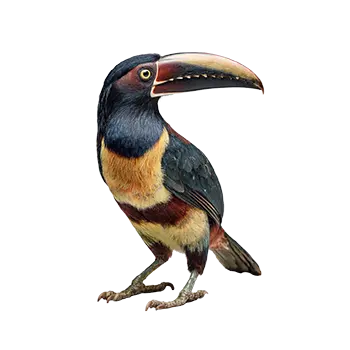

Collared Aracaris have environmental and dietary sensitivities that make them particularly well-suited beneficiaries of modern monitoring technology. Unlike hardier companion bird species that tolerate a wide range of conditions, aracaris require consistent tropical temperatures, carefully managed humidity, precise dietary iron control, and stable light cycles to thrive in captivity. Small deviations from optimal conditions can trigger health problems that develop silently before clinical signs appear, making early detection through objective monitoring a genuine advantage rather than a luxury.
The species' susceptibility to iron storage disease means that dietary management must be precise and consistent over the bird's entire lifetime. Technology cannot replace sound nutritional knowledge, but digital tools for tracking food intake, monitoring weight trends, and maintaining feeding records transform an error-prone mental process into a reliable system. The difference between a bird that develops hemochromatosis at age eight and one that lives past fifteen often comes down to the consistency of iron management over years of daily feeding decisions.
Behavioral monitoring also takes on special importance for aracaris because these birds mask illness instinctively. In the wild, a visibly sick bird attracts predators, so toucans suppress signs of distress until they can no longer maintain the facade. By the time an owner notices lethargy, fluffed feathers, or appetite loss through casual observation, the underlying condition may be well advanced. Camera systems that allow review of the bird's behavior throughout the day, including periods when the owner is absent, can reveal subtle changes in activity level, posture, and feeding patterns that precede obvious clinical signs.
The social nature of Collared Aracaris creates an additional use case for technology. These are birds that bond closely with their keepers and experience genuine distress during prolonged absences. Two-way communication devices allow owners to speak to their birds remotely, providing auditory reassurance and maintaining the social connection that is central to the bird's emotional well-being. While no technology replaces physical presence, it can meaningfully reduce separation-related stress for both the bird and the owner.