
Nutritional Needs

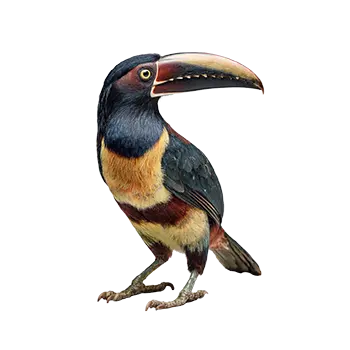
Collared Aracaris are obligate frugivores, meaning fruit forms the overwhelming majority of their natural diet. In the wild canopy forests of Central and South America, these small toucans consume a rotating selection of ripe fruits, supplemented by insects, small vertebrates, and the occasional egg. Replicating this dietary profile in captivity requires a fundamentally different approach than feeding a parrot or finch. Owners accustomed to seed-and-pellet diets must shift their thinking toward fresh fruit as the dietary foundation, with pellets and protein sources playing important but secondary roles.

The single most critical nutritional concern for Collared Aracaris and all ramphastids is iron storage disease, also known as hemochromatosis. Toucans and aracaris are exceptionally sensitive to dietary iron, absorbing and storing it at rates that can lead to toxic accumulation in the liver and other organs. This condition is the leading cause of premature death in captive toucans. Every dietary choice, from the base pellet to the type of fruit offered, must be evaluated through the lens of iron content. Foods high in citric acid and vitamin C dramatically increase iron absorption and must be carefully managed in the diet.

Beyond iron management, Collared Aracaris require a diet relatively high in moisture and natural sugars, reflecting the composition of the tropical fruits they consume in the wild. Their digestive tract is comparatively short and processes food quickly, which means nutrients must be readily bioavailable. Unlike parrots, aracaris cannot efficiently extract nutrition from hard seeds or dense, fibrous foods. This rapid digestive transit also means that food quality and freshness are paramount, as spoiled or fermented fruit can cause gastrointestinal distress more quickly in ramphastids than in many other bird families.

Protein requirements are moderate but essential. In the wild, Collared Aracaris supplement their fruit diet with insects, spiders, and small lizards, particularly during breeding season when protein demands increase. Captive diets must include reliable protein sources to support muscle maintenance, feather growth, and overall vitality. The challenge lies in providing adequate protein without inadvertently increasing iron intake, as many conventional protein sources carry significant iron loads.

What to Look For

The most important label to scrutinize on any commercial food product for a Collared Aracari is the iron content. Low-iron softbill pellets specifically formulated for toucans and other ramphastids should list iron content at or below 80 parts per million, with many avian veterinarians now recommending products closer to 45 to 60 parts per million. Any pellet marketed for parrots, poultry, or general cage birds almost certainly contains iron levels that are dangerous for aracaris and should never be substituted regardless of how similar the products may appear.

Ingredient transparency is non-negotiable. Products that list vague terms such as grain by-products, animal protein meal, or artificial colorants without specificity should be avoided. The best softbill pellets use identifiable whole ingredients like rice, papaya, banana, and soy protein isolate, and they disclose their mineral profiles in detail. Some manufacturers publish complete nutritional analyses on their websites, which is a useful indicator of quality and confidence in the formulation.

Fruit selection for fresh feeding requires attention to both nutritional content and iron-absorption dynamics. Ideal fruits are those that are low in iron, low in vitamin C, and high in natural sugars and moisture. Papaya, banana, blueberries, grapes, melon, and figs are excellent staple choices. Fruits extremely high in citric acid and vitamin C, such as oranges, lemons, grapefruit, kiwi, and strawberries, should be limited or avoided entirely because ascorbic acid dramatically enhances non-heme iron absorption in the gut, compounding the risk of iron storage disease even when the iron content of the overall diet appears acceptable.

When evaluating commercial fruit blends or dried fruit products, check for added iron, sulfur dioxide preservatives, and supplemental ascorbic acid. Many dried fruit products intended for human consumption are fortified with nutrients that are harmful to ramphastids. Products specifically marketed for softbills and toucans are more likely to account for these sensitivities, but label verification remains essential even with specialty brands.

Recommended Pellet Types

Low-iron softbill pellets are the backbone of a safe captive diet for Collared Aracaris. These pellets are specifically engineered for frugivorous and insectivorous birds and differ from parrot pellets in fundamental ways: lower iron content, higher fruit-derived sugar content, softer texture suited to a toucan's bill mechanics, and a nutritional profile that complements rather than replaces fresh fruit. The pellet should constitute approximately thirty to forty percent of the total daily food volume, with the remainder coming from fresh fruits and protein sources.

Pellet texture and size are important practical considerations. Aracaris have long, serrated bills designed for plucking and manipulating soft fruit rather than cracking hard shells. Pellets intended for ramphastids are typically softer and smaller than parrot pellets, allowing the bird to toss them into the back of the throat with the characteristic flicking motion toucans use for feeding. Oversized or excessively hard pellets will be ignored or played with rather than consumed.

Some manufacturers offer semi-moist softbill pellets that more closely approximate the texture and moisture content of fresh fruit. These products can be particularly useful for aracaris transitioning from a wild-caught or rescue background where pellet acceptance is low. The higher moisture content makes them more palatable to birds accustomed to fresh food, though they spoil more quickly and must be removed from the cage within a few hours to prevent bacterial growth. Dry formulations are more practical for leaving in the cage throughout the day.

Avoid any pellet product that does not explicitly state its iron content. If a manufacturer cannot or will not provide iron analysis data upon request, the product should be considered unsuitable for ramphastids regardless of its other qualities. The margin for error with iron in toucan species is narrow enough that guessing is not an acceptable approach. Owners should maintain a record of the specific lot numbers and formulations they use, as manufacturers occasionally reformulate products in ways that affect mineral content.

Fresh Foods and Fruit Selection

Fresh fruit should comprise roughly fifty to sixty percent of a Collared Aracari's daily diet by volume, making it by far the largest single component of the feeding regimen. The fruit should be ripe, clean, and cut into pieces small enough for the bird to pick up and toss comfortably, typically cubes of roughly one centimeter. Overripe fruit that has begun to ferment should be discarded, as the alcohol and bacterial content can cause crop irritation and digestive upset in a bird with such a rapid transit time.

A strong core rotation of safe, low-iron fruits provides nutritional stability. Papaya is widely considered the single best fruit for captive toucans and aracaris due to its excellent nutrient profile, low iron content, moderate vitamin C levels, and natural digestive enzymes that support gut health. Banana, cantaloupe, honeydew, watermelon, blueberries, and seedless grapes are other staples that can be rotated regularly. Figs, both fresh and dried unsulfured, provide useful calcium and variety. Mango is well-accepted and nutritious but should be offered in moderation due to its higher vitamin C content.

Vegetables play a smaller role in the aracari diet than they do for parrots, reflecting the species' natural feeding ecology. Cooked sweet potato, steamed peas, and small amounts of grated carrot can be mixed into the fruit offering for added nutrition and variety. Leafy greens are generally ignored by aracaris and should not be relied upon as a significant nutritional source. Raw corn kernels cut from the cob are often enthusiastically accepted and provide a useful source of energy and enrichment.

Seasonal fruit availability creates natural dietary variety, which benefits the bird nutritionally and behaviorally. When locally available, fruits like persimmons, cherries with pits removed, prickly pear, and fresh figs offer excellent seasonal enrichment. Frozen fruit is a practical alternative when fresh variety is limited, though it should be thawed completely and brought to room temperature before serving, as cold food can slow digestion and reduce intake. Canned fruits should be avoided entirely due to their high sugar syrup content and potential for added preservatives.

Protein Sources and Insects

Protein should account for roughly ten to fifteen percent of the Collared Aracari's daily diet, delivered through a combination of live or prepared insects, occasional cooked egg, and in some cases carefully selected commercial protein supplements. In the wild, aracaris are opportunistic protein feeders, raiding nests for eggs and nestlings, snatching insects from bark and foliage, and consuming small frogs and lizards when available. Captive diets must provide this protein component reliably without introducing excessive iron.

Live insects are the most natural and readily accepted protein source. Gut-loaded crickets, mealworms, waxworms, and dubia roaches provide high-quality animal protein along with fat and essential amino acids. Gut-loading the insects with low-iron vegetables and commercial gut-load formulas before offering them to the bird enhances their nutritional value considerably. Most aracari keepers offer insects daily in small quantities, increasing the amount during molting and breeding periods when protein demands are elevated.

Cooked egg, particularly hard-boiled egg white, is a convenient supplemental protein source that most aracaris accept readily. Egg yolk can be offered in small quantities but contains more fat and iron than the white. Some keepers crumble the egg and mix it with softbill pellets or fruit to create a more complete meal. Raw egg should never be offered due to the risk of salmonella and the presence of avidin in raw egg white, which interferes with biotin absorption.

Commercial insectivore diets and dried insect products offer a shelf-stable alternative to live feeding. Freeze-dried crickets, black soldier fly larvae, and silkworm pupae retain much of their original protein content and can be rehydrated or offered dry. When selecting these products, verify that they are free of added iron and preservatives. Some softbill-specific protein supplements blend dried insects with fruit powders and vitamins in a formulation optimized for ramphastid digestive physiology, providing a convenient daily protein option.

Treats and Supplements

Treats for Collared Aracaris must be selected with the same iron-awareness that governs the rest of the diet. The most effective and safest treats are simply the bird's favorite fruits offered in a novel context, such as skewered on a foraging stick, frozen into an ice ring, or hidden inside a foraging device. Blueberries, grapes, and small pieces of banana are commonly used as training rewards because they are easy to handle, quickly consumed, and universally popular with aracaris.

Commercial bird treats marketed for parrots, including seed sticks, nut bars, and baked biscuits, are inappropriate for aracaris. These products are designed for granivorous and omnivorous species with fundamentally different digestive systems and nutritional tolerances. Even treats labeled as fruit-based may contain iron-fortified ingredients, seed components, or vitamin C levels that are problematic for ramphastids. If a commercial treat does not specifically state that it is safe for toucans or softbills, it should be avoided.

Calcium supplementation is generally advisable for captive aracaris, as fruit-heavy diets tend to be calcium-poor relative to the bird's skeletal and reproductive needs. Calcium carbonate powder can be lightly dusted on fruit, or liquid calcium supplements can be added to the water. Cuttlebone is sometimes accepted by aracaris, though many individuals show little interest in it compared to parrots. Calcium-rich fruits such as figs and papaya should be emphasized in the rotation to provide dietary calcium alongside any supplements.

Vitamin and mineral supplements beyond calcium should be used conservatively and under veterinary guidance. The primary risk with broad-spectrum supplements is inadvertent iron supplementation, as many avian multivitamins contain iron at levels safe for parrots but dangerous for toucans. Any supplement used for a Collared Aracari must be verified to contain zero added iron. Probiotic supplements formulated for birds can support digestive health, particularly during dietary transitions or after antibiotic treatment, and are generally safe when used as directed.

Feeding Schedule and Portions

Collared Aracaris have a rapid metabolic rate and a short digestive tract that processes food in as little as fifteen to thirty minutes. This fast transit time means that the bird requires access to food throughout the day rather than subsisting on one or two large meals. Most experienced keepers offer a primary morning feeding of fresh fruit mixed with softbill pellets and insects, followed by a second fresh fruit offering in the early afternoon, with dry pellets available continuously between feedings.

Morning preparation should focus on assembling a varied fruit plate that includes at least three to four different fruits cut into appropriate pieces, a measured portion of low-iron softbill pellets, and the daily insect or protein offering. Total daily food volume for a single Collared Aracari is typically in the range of one-third to one-half cup of mixed fruit plus one to two tablespoons of pellets, though individual requirements vary with age, activity level, and environmental temperature. Fresh food should be removed and replaced after three to four hours to prevent bacterial growth in the warm, moist conditions that fruit creates.

Weight monitoring is an essential companion to any feeding schedule. Aracaris should be weighed regularly on a gram-scale, ideally at the same time each morning before feeding, to detect gradual gains or losses that might indicate dietary imbalance or developing health issues. A healthy adult Collared Aracari typically weighs between 190 and 280 grams depending on sex and individual variation. Consistent weight trends in either direction warrant a review of portion sizes and food composition, ideally in consultation with an avian veterinarian experienced with ramphastids.

Water must be available at all times and changed at least twice daily. Aracaris frequently dip fruit and other foods into their water before consuming them, which quickly contaminates the water with organic debris. Many keepers use heavy ceramic crocks that resist tipping rather than tube-style water bottles, as the aracari's bill shape is not well-suited to bottle dispensers. Water dishes should be large enough for the bird to bathe in if desired, as aracaris often combine drinking and bathing behavior.

Always consult a qualified professional before making any health-related decisions. This content is provided for informational reference only and should not replace professional guidance specific to your animal.