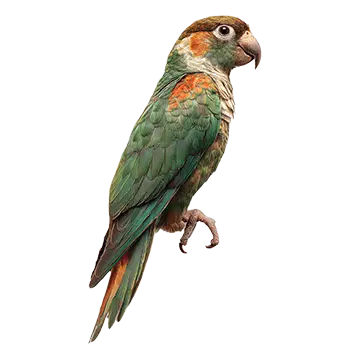

Play Style & Drive

Cape Parrots are among the most playful parrot species, with an infectious enthusiasm for manipulating objects, solving problems, and engaging in physical play. Their play style tends toward a combination of chewing, shredding, and problem-solving, driven by a natural curiosity that demands regular mental stimulation. Understanding this play profile is essential for selecting toys that will actually be used rather than ignored.

Unlike some larger parrots that are primarily destructive chewers, Cape Parrots show a balanced interest in both demolition and investigation. They enjoy taking things apart, but they also relish toys that move, make noise, or present a challenge to figure out. This dual drive means a well-stocked toy collection should include both expendable shredding toys and more durable interactive options.

Boredom is a genuine welfare concern for Cape Parrots. These are intelligent birds that require mental engagement to avoid developing feather-destructive behavior, excessive screaming, or stereotypic movements. A bare cage with one or two neglected toys is a recipe for behavioral problems. The goal is to create an environment where the bird always has something worth investigating, with regular toy rotation to maintain novelty.

Play preferences can vary between individual birds, and part of responsible ownership is learning what your specific Cape Parrot gravitates toward. Some are enthusiastic foot players who like to hold objects and manipulate them with their toes, while others prefer hanging toys they can wrestle with using their beak. Offering a range of options and observing which ones get the most interaction helps build a tailored enrichment program.

Interactive & Puzzle Toys

Puzzle toys and foraging devices are the cornerstone of Cape Parrot enrichment because they engage the bird's problem-solving intelligence in ways that passive toys cannot. Foraging toys that require the bird to manipulate levers, slide panels, unscrew bolts, or navigate compartments to access hidden treats replicate the cognitive work of finding food in the wild. This type of engagement is deeply satisfying for Cape Parrots and can occupy them for extended periods.

Start with beginner-level foraging toys if your bird is new to puzzle enrichment. Simple options include treat cups that must be flipped, paper wraps around food items, or clear acrylic boxes with basic latch mechanisms. As the bird masters each challenge, graduate to more complex multi-step puzzles that require sequential actions. The goal is to keep the difficulty level just ahead of the bird's current ability, creating a productive challenge without causing frustration.

Acrylic and stainless steel puzzle toys designed for medium to large parrots offer the best durability for Cape Parrots. Look for toys with smooth edges, securely attached hardware, and no small parts that could be swallowed. Quick-links and pear links used to attach toys to the cage should be stainless steel and checked regularly to ensure the bird hasn't learned to open them, which could lead to escape or injury.

Rotation is critical with puzzle toys. Even the most engaging puzzle becomes boring once a bird has solved it dozens of times. Maintain a library of five to ten puzzle toys and swap them in and out on a weekly basis. This approach keeps the mental challenge fresh and extends the useful life of each toy. Some owners find it helpful to change the treats hidden inside even when reusing the same toy, adding an element of surprise.

Chew Toys & Shredding

Chewing is a fundamental behavioral need for Cape Parrots, serving to maintain beak condition, relieve stress, and satisfy a deeply ingrained instinct to manipulate wood and fibrous materials. Providing abundant chewing opportunities is not optional — it is a baseline welfare requirement. A Cape Parrot without appropriate chew targets will redirect this drive toward cage bars, perches, furniture, or its own feathers.

Wood toys made from bird-safe softwoods like balsa, pine, yucca, and sola are ideal for satisfying the shredding instinct. These materials are soft enough to be destroyed satisfyingly but firm enough to provide good beak exercise. Cape Parrots fall in a sweet spot where they can handle toys rated for medium to large parrots, demolishing softer options quickly and working on harder wood pieces over days or weeks.

Leather strips, palm leaves, corn husks, and woven seagrass components add textural variety to shredding toys. Many commercially available toys combine multiple materials on a single strand, giving the bird a progression of textures to work through. Vegetable-tanned leather is safe for birds, while chrome-tanned leather should be avoided due to chemical residues. When in doubt, source materials from avian-specific toy suppliers rather than general craft stores.

Budget for chew toys as a recurring expense rather than a one-time purchase. A healthy, active Cape Parrot will destroy multiple chew toys per month, and this is a sign of good behavioral health rather than a problem. Buying in bulk from avian toy suppliers or assembling your own chew toys from bird-safe parts can help manage costs while ensuring a steady supply of fresh shredding material.

Foot Toys & Manipulatives

Cape Parrots are skilled foot players, using their zygodactyl toes to grasp, turn, and manipulate small objects with surprising dexterity. Foot toys — small items designed to be held in one foot while the bird sits on a perch — cater to this ability and provide a different type of engagement than hanging cage toys. These are often the toys that Cape Parrots become most attached to, carrying favorites around and playing with them during floor time.

Good foot toys for Cape Parrots include small wooden blocks, wiffle balls, vine balls, wooden beads on rings, and small stacked rings. The ideal size is roughly one to two inches in diameter — large enough to be gripped comfortably but small enough to be manipulated with one foot. Avoid foot toys with sharp edges, loose string, or components small enough to be swallowed whole.

Many Cape Parrots develop a fondness for specific textures or shapes and will preferentially play with certain foot toys over others. Offering a rotating selection on the cage floor or on a playstand helps identify preferences. Some birds enjoy tossing foot toys off their perch and watching them fall, then climbing down to retrieve them — a self-invented game that provides both mental and physical enrichment.

Foot toys also serve as excellent training tools and relationship builders. Rolling a small ball back and forth with your bird, or teaching the bird to place foot toys into a container, creates interactive play sessions that strengthen the bond between owner and parrot. These simple games tap into the Cape Parrot's natural intelligence and desire for social engagement, making training sessions feel like play rather than work.

Comfort & Companion Toys

Cape Parrots are affectionate, socially bonded birds that can benefit from comfort items in their enclosure, particularly during times when human interaction is limited. Snuggle huts, tents, and soft pouches provide a sense of security and warmth that some Cape Parrots find deeply comforting. However, these items come with important caveats that owners should understand before introducing them.

Fabric huts and tents can trigger hormonal behavior in some parrots, as the enclosed, dark space mimics a nesting cavity. If a Cape Parrot begins displaying hormonal signs such as regurgitation, territorial aggression around the hut, or paper shredding and nesting behavior, the comfort item should be removed. Additionally, fabric items must be inspected regularly for frayed threads and loose fibers that pose an ingestion and entanglement risk. Replace any fabric toy that shows signs of wear.

Preening toys offer a different form of comfort enrichment. These typically consist of soft rope knots, cotton tassels, or synthetic fiber bundles that the bird can preen and groom as a self-soothing activity. Preening toys can be especially valuable for birds that are prone to over-preening their own feathers, redirecting the behavior toward an appropriate target. Choose preening toys made from tightly woven, bird-safe materials that resist fraying.

Mirrors are sometimes marketed as companion toys for parrots, but their use is controversial and generally not recommended for Cape Parrots. Extended interaction with a mirror can lead to confusion, pair-bonding with the reflection, and frustration-based behavioral issues. For a social species like the Cape Parrot, real interaction with humans or compatible bird companions is far more beneficial than the illusion of company a mirror provides.

DIY & Budget Options

Creating homemade toys for Cape Parrots is a practical way to supplement commercial options while keeping enrichment costs manageable. Many effective bird toys can be assembled from inexpensive, readily available materials. The key is ensuring that every material used is confirmed bird-safe, free of toxic dyes or treatments, and appropriate for the strength of a medium-sized parrot's beak.

Cardboard is one of the most accessible and effective DIY toy materials. Toilet paper rolls stuffed with treats and crumpled paper, small cardboard boxes with hidden food inside, and strips of plain cardboard woven through cage bars all provide satisfying shredding opportunities at virtually no cost. Use only plain, unprinted cardboard or cardboard printed with soy-based inks, and remove any tape, staples, or glue residue before offering it to the bird.

Natural materials gathered responsibly from the outdoors expand the DIY palette considerably. Pinecones, untreated palm fronds, safe wood branches, and dried flowers can be assembled into hanging toys or foraging bundles. Always research the specific plant species to confirm safety, and avoid any materials collected from areas that may have been treated with pesticides, herbicides, or fertilizers. A thorough washing and baking at low heat helps sanitize foraged materials.

Paper-based foraging is among the simplest and most effective enrichment strategies. Wrapping treats in layers of plain paper or tissue, tucking food items into crumpled paper balls, or filling a paper lunch bag with shredded paper and hidden treats creates an engaging foraging challenge that is easily replaced daily. This approach aligns perfectly with how wild parrots work to access food and can be set up in minutes with materials most households already have on hand.

Always consult a qualified professional before making any health-related decisions. This content is provided for informational reference only and should not replace professional guidance specific to your animal.